
Barre des Écrins
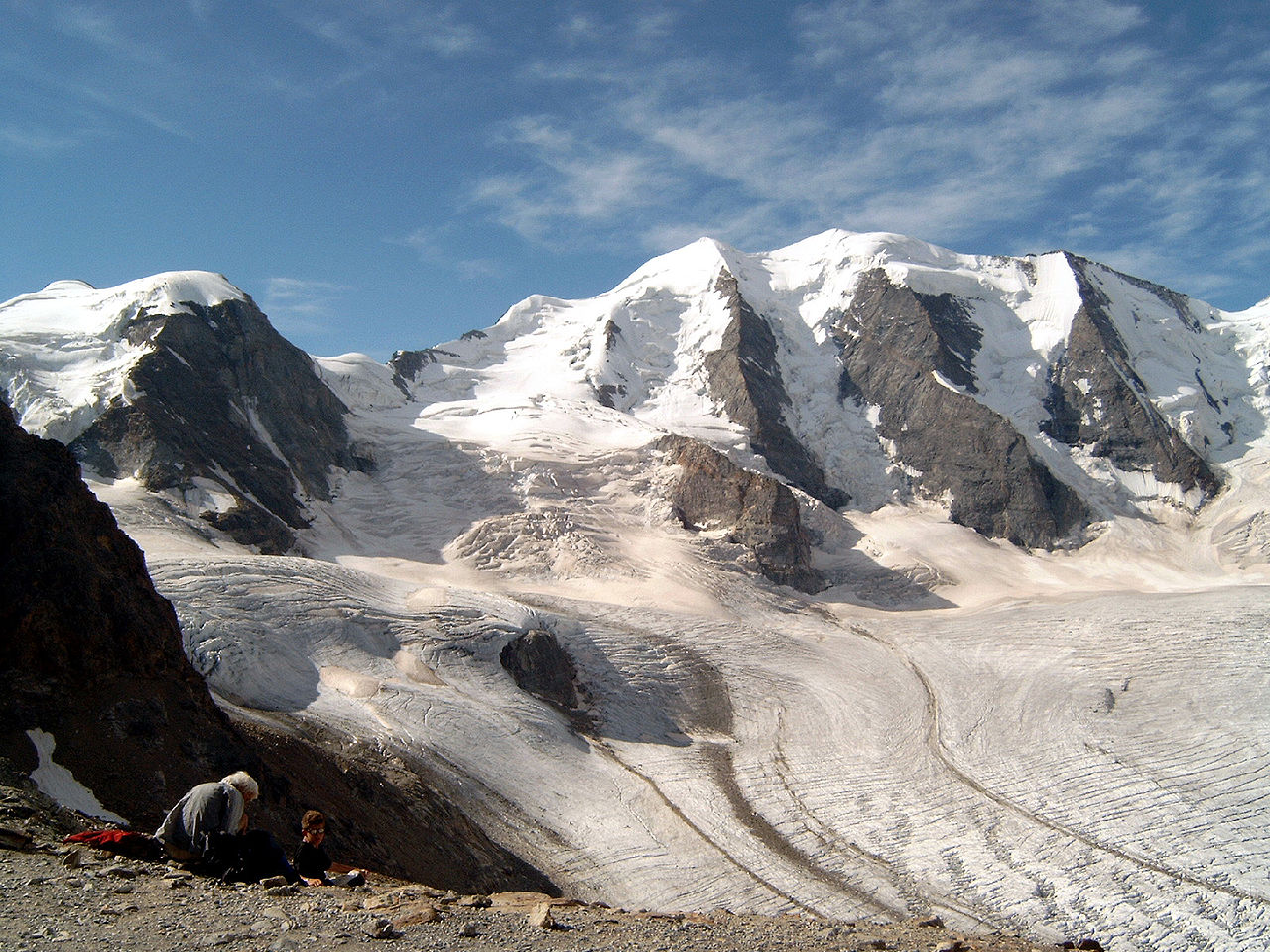
Barre des Écrins is the highest summit of the Massif des Écrins in the Dauphiné Alps, a glaciated 4,000+m peak inside Écrins National Park and the only French 4,000 m summit outside the Mont Blanc massif.
Overview
Barre des Écrins is a major Alpine summit in southeastern France, rising to about 4,102 metres and forming the highest point of the Massif des Écrins. It stands within the range commonly known as the Dauphiné Alps and lies at the heart of the high-mountain landscapes protected by the Parc national des Écrins. The peak is notable for its sharp summit ridge, steep rock faces and extensive glaciers.
Image gallery
6 Images


Geography and glaciation
The mountain is heavily glaciated: large icefields and outlet glaciers descend from its flanks into surrounding valleys. One of the principal ice flows in the sector is the Glacier Blanc, which originates on the northern slopes and has helped shape the valleys below. The combination of permanent snow, névés and exposed rock produces dramatic seasonal contrasts and complex route conditions for mountaineers.
Geology, flora and fauna
Barre des Écrins is typical of high Alpine massifs, with hard crystalline and metamorphic rocks forming steep ridges and faces. Vegetation is restricted to the lower alpine belts where hardy grasses, lichens and dwarf shrubs survive the short growing season. The park supports mountain wildlife such as ibex, chamois, marmots and a variety of birds of prey, species that are monitored as part of regional conservation efforts and as examples of high-altitude biodiversity protected by France's system of national parks.
Human history and significance
During the nineteenth century, as Alpine exploration expanded, the Barre des Écrins gained prominence among climbers and naturalists. For a time it was regarded as the highest mountain within France until geopolitical changes following the annexation of Savoy brought the higher peaks of the Mont Blanc massif into the country's borders. Those changes involved earlier states such as the Kingdom of Sardinia and altered national topographic rankings.
Mountaineering and access
Ascents commonly require glacier travel, route-finding on snow and ice and sections of mixed climbing; because of this the mountain is generally attempted by experienced alpinists, guided parties and seasonal ski-mountaineers. Typical approaches start from valleys such as the Vénéon and the Vallouise, with village bases including Ailefroide and La Bérarde providing access to alpine refuges and staged routes. Conditions vary with weather and the state of the ice, and parties should plan for crevasses and objective hazards.
Conservation and contemporary issues
Protected within the Parc national des Écrins, the massif is part of France's network of protected areas that aim to preserve high-altitude environments, cultural mountain pastures and distinctive wildlife. Like many glaciated regions, the area is subject to change from climatic shifts and from evolving patterns of recreational use; park authorities and scientific teams monitor glaciers, ecosystems and visitor impacts to inform management and safety guidance.
Notable distinctions
- Highest summit of the Massif des Écrins and a defining peak of the Dauphiné Alps.
- The only mountain of more than 4,000 metres in metropolitan France located outside the Mont Blanc massif.
- Part of the protected territory of the Parc national des Écrins, one of France's system of national parks.
- Historically important in nineteenth-century alpine exploration and in the mapping of national high points before and after the annexation involving the Kingdom of Sardinia.
Visitors are advised to consult local guides and park information for current route conditions and to respect conservation rules when travelling in this sensitive high-mountain environment.

Questions and answers
Q: What is the Barre des Écrins?
A: The Barre des Écrins is a mountain in the French Alps.
Q: Where is the Barre des Écrins located?
A: The Barre des Écrins is located in the Écrins National Park, which is one of the ten French national parks.
Q: What is the height of the Barre des Écrins?
A: The Barre des Écrins is the highest peak of the Massif des Écrins and of the Dauphiné Alps mountain range, and its height is 4,000 m (13,123 ft).
Q: Is there any higher mountain in France than the Barre des Écrins?
A: No, the Barre des Écrins is the only mountain with a height of 4,000 m or higher in France that is outside the Mont Blanc Massif.
Q: Was the Barre des Écrins the highest mountain in France before the annexation of Savoy?
A: Yes, the Barre des Écrins was the highest mountain in France before the annexation of Savoy, which was part of the Kingdom of Sardinia, in 1860.
Q: What was the height of the Barre des Écrins before the annexation of Savoy?
A: It is not mentioned in the text what the height of the Barre des Écrins was before the annexation of Savoy.
Q: How is the Barre des Écrins protected?
A: The Barre des Écrins is located in the Écrins National Park, which is a protected area in France.
Related articles
Author
AlegsaOnline.com Barre des Écrins Leandro Alegsa
URL: https://en.alegsaonline.com/art/9089
Sources
- peakbagger.com : "Barre des Écrins, France"
- summitpost.org : "Barre des Écrins"
- peakware.com : "Ecrins, France"