
Sistan — historic border region spanning eastern Iran and southern Afghanistan
Sistan is a transnational historical and geographical region on the Iran–Afghanistan border, centered on the Helmand/Hirmand basin and Hamun wetlands, known for its archaeology, arid climate, and layered cultural history.
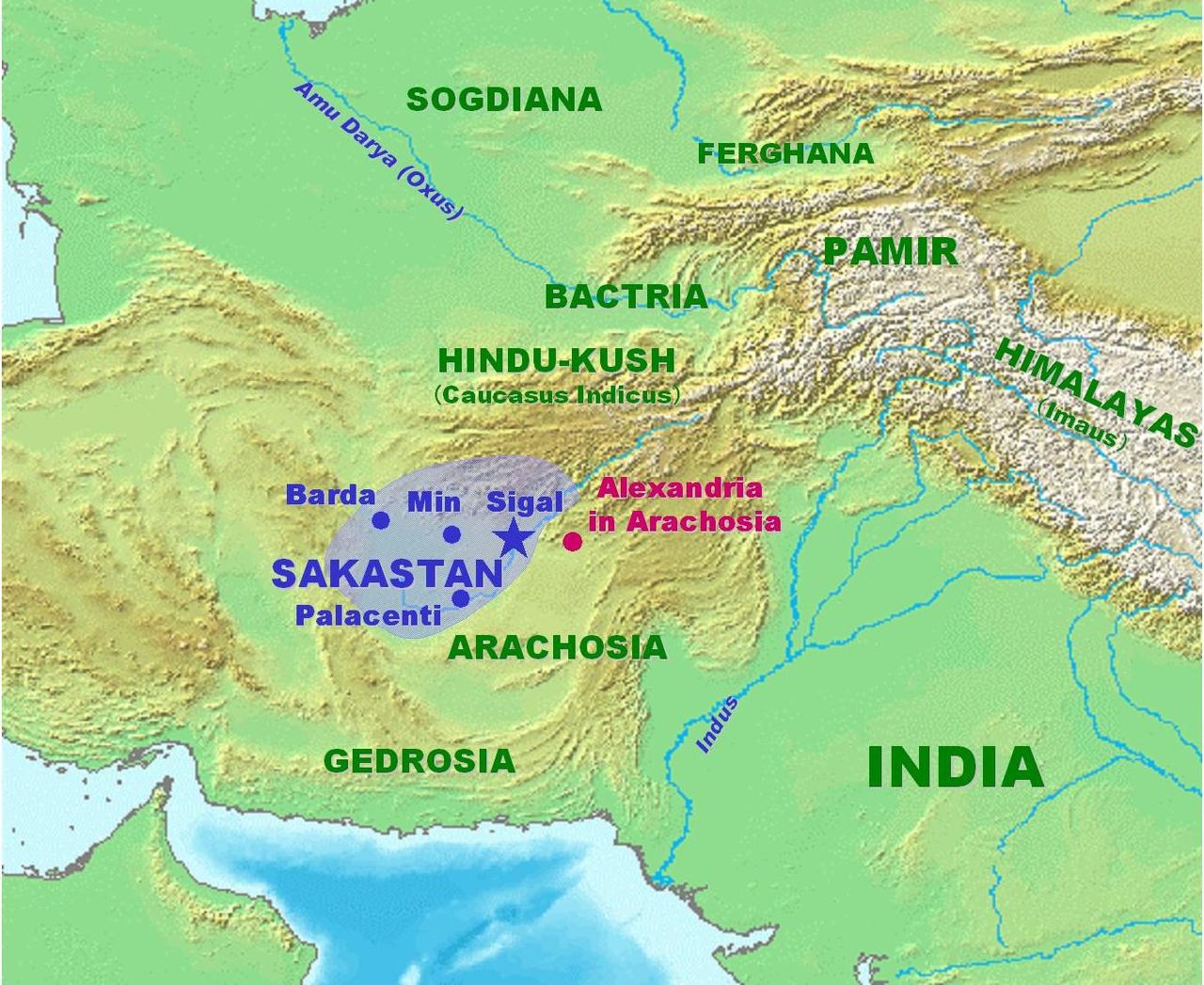
Sistan (Persian: سیستان) is a broad, mostly arid region straddling the modern frontier between eastern Iran and southern Afghanistan. It lies around the lower reaches of the Helmand (Hirmand) River and the seasonal Hamun wetlands. Today the area sits within Iran's Sistan and Baluchestan province and adjacent Afghan provinces, including Afghanistan's Nimroz and portions of Kandahar and Zabul; the Afghan province of Nimroz and the Iranian county seats such as Zabol or the Afghan city Zaranj serve as local administrative centers.
Image gallery
10 Images




Geography and environment
Sistan occupies a low-lying basin at the eastern end of the Iranian Plateau. Its defining natural features are the Helmand/Hirmand river system and the Hamun marshes, which expand after winter and spring floods and contract in dry years. The climate is continental and sharply arid, with hot summers and cold winters; strong seasonal winds, often called the 120‑day wind, are a notable local phenomenon. Recurrent drought, upstream water diversion and changing river courses have caused ecological stress, affecting agriculture and traditional livelihoods.
History and peoples
The name Sistan derives from an older form meaning 'land of the Saka' (Sakastan), reflecting settlement by the Iranic Sakas or Scythian groups in antiquity; the region has long been a crossroads for Iranic, Central Asian and South Asian peoples. Archaeological sites such as the Bronze Age Burnt City attest to very early urban occupation. In the early Islamic period Sistan produced influential local dynasties — most famously the Saffarids, who rose from local military and administrative elites to rule large parts of eastern Iran in the 9th century. Over centuries Sistan was contested by successive imperial powers and served as a conduit for trade and cultural exchange.
Culture and society
Communities in Sistan are ethnically and linguistically mixed. Indigenous Persian-speaking Sistanis share the landscape with Baloch and Pashtun groups and other minorities; local dialects and cultural practices reflect this layering. Traditional occupations include irrigated agriculture where water permits, dryland pastoralism and small-scale trade. Folk music, crafts and seasonal festivals relate closely to the agricultural calendar and water cycles of the Hamun basin.
Modern administration and challenges
In contemporary terms Sistan is split by national borders and integrated into larger administrative units: Iran's Sistan and Baluchestan province and Afghan provinces such as Afghanistan's Nimroz and adjoining districts. Cross-border ties remain important for families, markets and irrigation systems, and the region faces shared challenges: environmental degradation of the Hamun wetlands, water disputes, rural depopulation and economic underdevelopment. Development efforts emphasize water management, resilient agriculture and preserving archaeological heritage.
Notable facts and distinctions
- Sistan is historically associated with the Sakas (Sakas), an Iranic steppe people whose name survives in the older toponym Sakastan.
- The Saffarid dynasty, which emerged from this region in the early Islamic centuries, played a formative role in local history.
- Archaeological sites such as Shahr-e Sukhteh (the Burnt City) attest to long-term occupation and complex early societies.
Sistan's identity blends geography, history and culture: its river basin and marshes shaped settlement and economy; successive waves of migration and rule left layered cultural traces; and today the region remains important for understanding the environmental and human dynamics of the Iran–Afghanistan borderlands. For further reading, see regional surveys and archaeological overviews that treat its environmental history and historical geography in depth. Persian-language sources and regional administrative materials from Iran and Afghanistan provide additional local perspectives.
Questions and answers
Q: What is Sistan?
A: Sistan is a border region located in eastern Iran (Sistan and Baluchestan Province) and southern Afghanistan (Nimroz, Kandahar and Zabul provinces).
Q: Who used to inhabit Sistan?
A: The Sakas, a Scythian tribe of Iranic origin, used to inhabit Sistan.
Q: Which Iranian dynasty was first from Sistan?
A: The Saffarids, one of the early Iranian dynasties of the Islamic era, were first from Sistan.
Q: What is the location of Sistan and Baluchestan Province?
A: Sistan and Baluchestan Province is located in eastern Iran.
Q: What is the location of Nimroz province?
A: Nimroz province is located in southern Afghanistan.
Q: Who were the Sakas?
A: The Sakas were a Scythian tribe of Iranic origin who used to inhabit Sistan.
Q: Which dynasties of Iran originated in Sistan?
A: The Saffarids were one of the early Iranian dynasties while the Sakas were a Scythian tribe of Iranian origin and used to inhabit Sistan.
Related articles
Author
AlegsaOnline.com Sistan — historic border region spanning eastern Iran and southern Afghanistan Leandro Alegsa
URL: https://en.alegsaonline.com/art/90789
Sources
- britannica.com : Britannica