
Silky sifaka (Propithecus candidus)
A rare, white-furred sifaka lemur endemic to northeastern Madagascar, notable for its silky coat, leaping locomotion, small social groups, and critical conservation status.
Overview
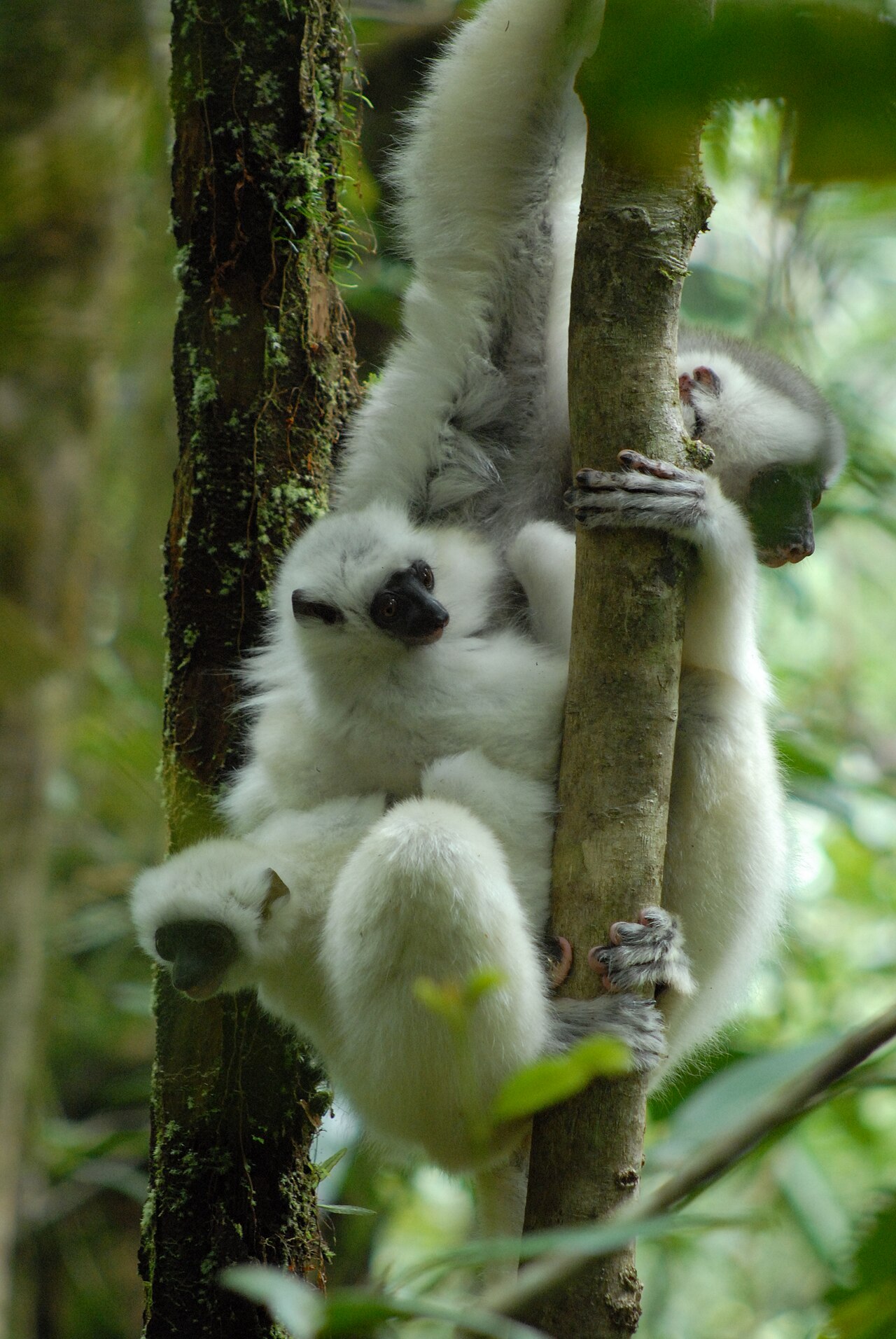
The silky sifaka is a large, visually striking lemur with long, silky white fur and an agile, compact body. Its scientific name is Propithecus candidus, and it belongs to the sifakas within the broader group of lemur primates. Endemic to a restricted area of northeastern Madagascar, the silky sifaka is locally called simpona and is considered one of the world’s rarest and most threatened primates.
Image gallery
6 Images



Taxonomy and related species
The silky sifaka is one of several closely related species in the genus Propithecus. Members of this genus are collectively known as sifakas and are endemic to Madagascar, where they occupy a variety of forest types. Taxonomic studies have refined the relationships among sifaka species, but all are recognized as distinct lineages adapted to particular habitats across the island.
Appearance and locomotion
Adults are characterized by predominantly white or creamy pelage that is unusually long and silky in texture, a dark face in some individuals, and a bushy tail. They have powerful hind limbs and relatively short forelimbs, adaptations for vertical clinging and leaping between tree trunks and branches. On the ground, sifakas move with a distinctive bipedal hop, leaning slightly and bounding sideways; in the canopy they are highly acrobatic and can cover long distances in a series of leaps.
Distribution, habitat and range
Silky sifakas occupy a narrow band of humid, montane and lowland rainforest in the far northeast of Madagascar. Surviving populations are limited to a few protected areas and adjacent forest fragments, with important populations reported in Marojejy National Park and the Anjanaharibe-Sud Special Reserve. They require relatively intact forest with a diverse canopy to support their folivorous diet and arboreal lifestyle.
Diet and foraging
The species is primarily folivorous: leaves and young shoots make up the bulk of its diet, supplemented seasonally by fruits, flowers and seeds. Observers have also recorded occasional geophagy, where animals ingest mineral-rich soil or clay, possibly to counteract dietary toxins or to obtain minerals. Feeding often occurs high in the canopy; females sometimes take feeding priority when resources are limited.
Social structure and behavior
Silky sifakas live in small, cohesive groups typically consisting of a breeding pair and a few additional adults or juveniles. Group size commonly ranges from two to nine individuals. Social life centers on feeding, resting, travelling and affiliative behaviors such as mutual grooming and play. Non-maternal infant care is common: group members of both sexes and various ages may groom, carry and occasionally nurse young that are not their own, which helps strengthen group cohesion and improve infant survival.
Reproduction and life history
Reproduction in the silky sifaka is seasonal and tightly constrained; most mating takes place during a short period at the onset of the rainy season, a pattern often described as seasonal breeding. Females usually give birth to a single infant after a gestation similar to other sifaka species. Infants are carried and cared for within the group, and juveniles learn essential locomotor and social skills through play and interaction with adults and peers (playing).
Communication
Communication combines vocal signals, visual displays and olfactory cues. The silky sifaka produces a variety of calls used to coordinate movement, maintain contact and warn of predators. Scent marking is important for territory marking and individual identification; scent glands and scent deposits contribute to social organization and scent-based signaling. Researchers emphasize the role of multimodal communication in maintaining group cohesion and spacing between neighboring groups.
Conservation status and threats
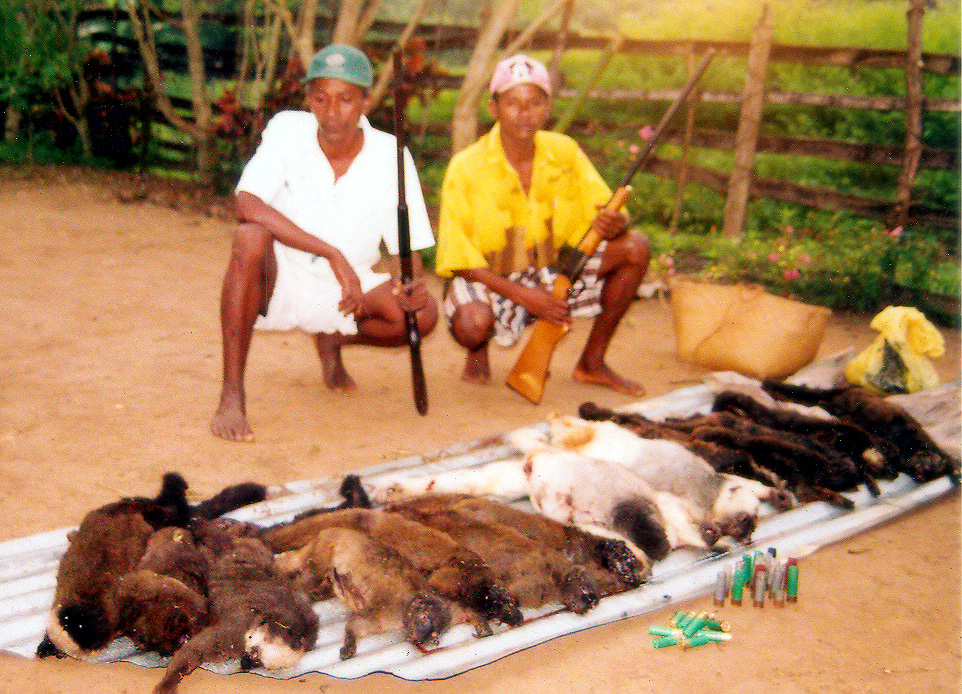
The silky sifaka faces grave conservation challenges. Habitat loss from slash-and-burn agriculture, selective logging and conversion for charcoal and cropland has fragmented much of its former range. Small, isolated populations are vulnerable to hunting, disease, inbreeding and stochastic events. Because of its limited distribution and rapid habitat decline, the species is widely regarded as critically endangered and is highlighted in international conservation priority lists.
Conservation actions and research
Conservation efforts focus on habitat protection, enforcement against hunting, community-based management, and scientific monitoring to track population trends and genetic health. Protected areas such as national parks and special reserves are central, but long-term survival depends on landscape-level protection and local engagement in sustainable livelihoods. Research continues into the species’ ecology, demography and responses to habitat change to inform adaptive management.
Cultural importance and public awareness
The silky sifaka is culturally significant to some local communities and has become an emblematic species for Madagascar’s unique biodiversity. Its striking appearance and perilous status have helped attract international attention and support for rainforest conservation initiatives. Educational programs and ecotourism, when carefully managed, can help provide incentives for conservation while minimizing disturbance to the animals.
Further reading and resources
For introductory species accounts and conservation summaries consult field guides, park information and primate conservation publications. Specialist literature and ongoing project reports provide more detailed ecological and management information; regional park authorities and conservation organizations maintain resources and updates through their information channels (species overview, lemur resources, Madagascar conservation, genus Propithecus, Marojejy park, behavioural studies, reproductive timing, olfactory research, communication studies).
Questions and answers
Q: What is the scientific name of the silky sifaka?
A: The scientific name of the silky sifaka is Propithecus candidus.
Q: Where is the silky sifaka found?
A: The silky sifaka is only found within a few protected areas in the rainforests of northeastern Madagascar. Most of its remaining population can be found in Marojejy National Park and Anjanaharibe-Sud Special Reserve.
Q: How many species are there in its genus?
A: There are nine species in the genus Propithecus.
Q: What does it eat?
A: The silky sifaka mainly eats leaves and seeds, but also fruit, flowers, and even soil on occasion.
Q: When does it mate?
A: The silky sifaka is a seasonal breeder and only mates one day a year during the start of the rainy season.
A: Who takes care of infants that are not their own? Q: Group members of all ages and both sexes will often groom, play, occasionally carry, and even nurse infants that are not their own.
Related articles
Author
AlegsaOnline.com Silky sifaka (Propithecus candidus) Leandro Alegsa
URL: https://en.alegsaonline.com/art/90420