
Shylock: Character and Controversy in The Merchant of Venice
Shylock, the Jewish moneylender in Shakespeare's The Merchant of Venice, is a contested dramatic figure whose motives, rhetoric and fate provoke ongoing debate about antisemitism, law and theatrical interpretation.
Shylock is the Jewish moneylender at the centre of William Shakespeare's play The Merchant of Venice, written in the mid-1590s. He functions as a dramatic antagonist within the plot yet also embodies wider cultural anxieties and stereotypes from the period. Critics and audiences have long disputed whether he should be read primarily as a villain, a tragic figure, or a complex mixture of both. His language, actions and the play's legal and moral resolutions make him one of Shakespeare's most debated characters.
Image gallery
8 Images


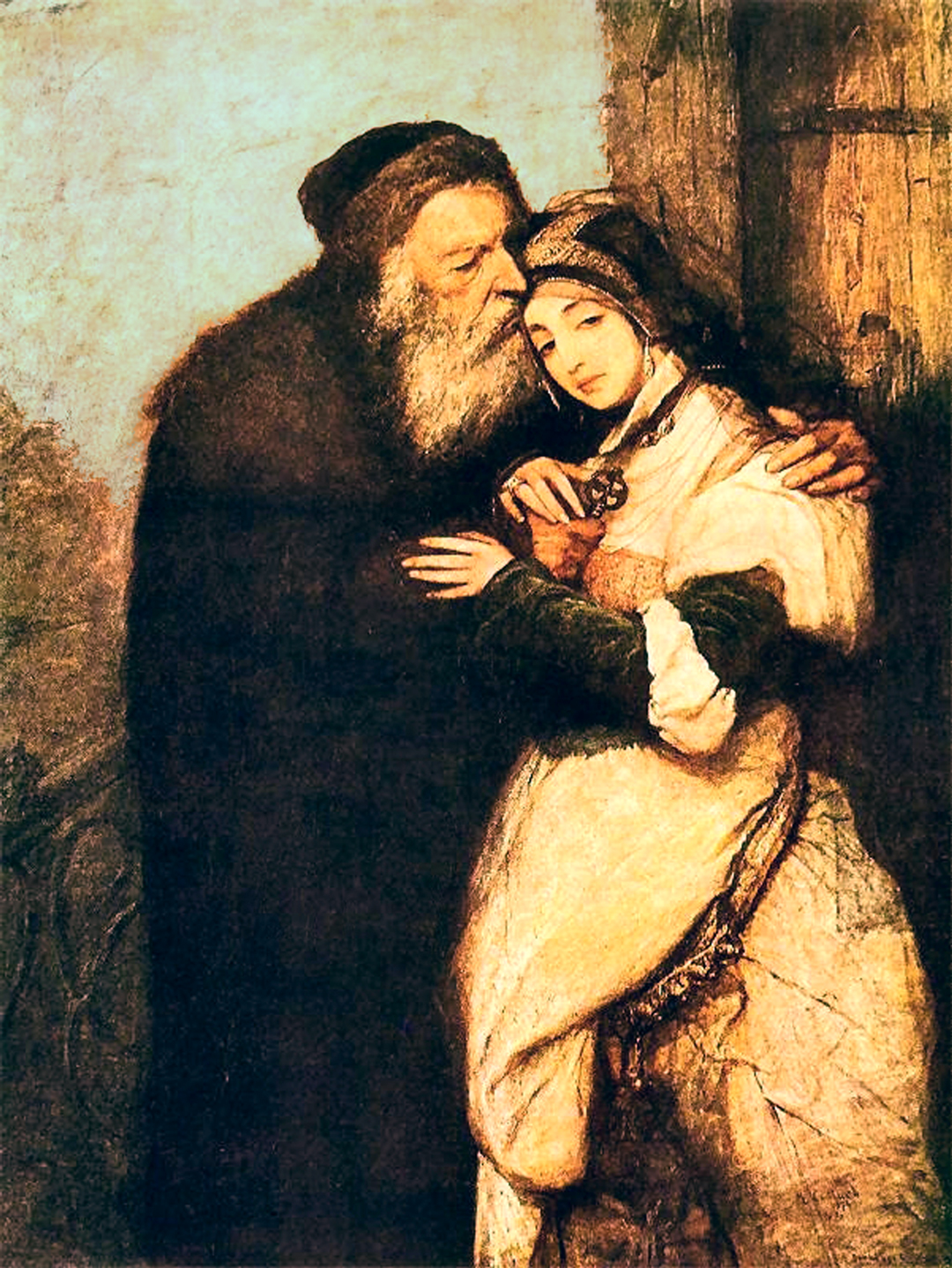

Role in the plot
In the play Shylock lends money to secure a commercial venture and agrees to an unusual bond with the merchant Antonio: if the loan is not repaid, the bond permits Shylock to take a pound of Antonio's flesh. When Antonio's ships are presumed lost and the debt is not repaid, Shylock insists on the bond's terms. The conflict culminates in a dramatic courtroom scene where interpretation of the law, appeals to mercy, and civic power determine the outcome.
The subplot involving Shylock's daughter Jessica is integral to his portrayal. Jessica elopes with Lorenzo, a friend of Antonio, and leaves her father's household, taking valuables and later converting to Christianity. The personal loss of family, property and religious continuity intensifies Shylock's bitterness and informs many modern readings that treat his response as rooted in social and private grievance rather than mere cruelty.
Speech and characterization
Shylock's monologues contain some of the play's most memorable lines, including the well-known passage that begins with "Hath not a Jew eyes?" That speech is frequently cited as a moment in which Shakespeare grants Shylock eloquence and moral argumentation, complicating a simplistic categorisation of him as only a villain. At the same time, other scenes have been read as showing vindictiveness and an insistence on literal justice that many characters and audiences find disturbing.
Historical and cultural background
Shakespeare composed the play in a culture shaped by longstanding European stereotypes about Jews, particularly associations with moneylending. Although Jews had been legally expelled from England centuries earlier, popular ideas about Jewish economic roles and religious difference circulated in literature and public discourse. Discussions of medieval economic practice and restrictions on Christians lending at interest often appear in accounts that contextualise Shylock; see general historical surveys of the Middle Ages and treatments of usury for broader background.
Textual history and sources
The character of Shylock draws on dramatic conventions and earlier stories that presented Jewish figures as financial antagonists, as well as on contemporary debates about commerce, credit and law. Shakespeare blended comic and tragic elements and used familiar motifs from stage practice of his day. For introductions to the play itself and its provenance consult general overviews and textual commentaries that examine source material and the play's publication history on the drama.
Legal, moral and theatrical questions
The trial scene raises questions about justice, mercy, statutory interpretation and the limits of civic power. Critics have explored how Venetian law is staged, how rhetoric functions in court, and how the legal outcome—Shylock's forced forfeiture and compelled conversion to Christianity—reflects social power dynamics. Teachers and scholars often use the play to discuss how law and performance interact to shape a character's fate.
Performance history and reception
Staging choices have strongly influenced Shylock's reception. Over centuries actors and directors have alternately emphasised his cruelty, his dignity, or the social injuries he endures. Noted performers such as Laurence Olivier are part of a long performance history that also includes many contemporary portrayals committed to challenging antisemitic readings. Modern productions frequently foreground historical context or update settings to interrogate prejudice and empathy.
- Interpretive tensions: villainy versus victimhood; civic law versus private grievance; literal justice versus mercy.
- Common critical themes: religious intolerance, social exclusion, economic resentment, and forced assimilation.
- Research directions: character analysis, performance studies, legal-historical approaches and religious studies.
Controversy and modern discussion
Contemporary debate over Shylock often centres on accusations of antisemitism in the play, the responsibilities of productions when presenting ethnic and religious difference, and whether the play can be adapted to speak against prejudice. Scholars who specialise in character studies and theatrical ethics propose varied readings; readers may consult comparative studies and modern critical editions for nuanced discussion character studies and antagonist analyses. Some essays focus specifically on the portrayal of conversion and identity in the play and its implications for audiences conversion studies.
Teaching and further resources
Because it intersects literature, history, law and religion, the play is widely taught and debated. Instructors are encouraged to present historical context about Venice and early modern attitudes toward lending and religious minorities, to examine the language of the text, and to consider production history. For geographical and civic context see studies of Venice and its mercantile culture Venice, and consult accessible introductions and critical essays for classroom use.
Shylock remains one of Shakespeare's most powerful and contentious creations. Ongoing scholarship continues to reassess his motives, status and voice in light of changing cultural understandings and theatrical practices. Readers who wish to pursue the topic further should seek annotated editions, critical collections and stage history surveys that document how interpretation and performance have evolved over time.
Questions and answers
Q: Who is Shylock?
A: Shylock is a key character and the antagonist in Shakespeare's 1596 or 1597 play The Merchant of Venice. He is a Jewish moneylender.
Q: What was the bond between Antonio and Shylock?
A: The bond between Antonio and Shylock required Antonio to give a pound of his flesh next his heart should the money not be repaid on a certain date.
Q: Why did Shylock demand his pound of flesh?
A: Shylock demanded his pound of flesh because Antonio had previously insulted and spat on him in the Rialto (the commercial centre of Venice).
Q: What happened to Shylock when he failed in court?
A: When Shylock failed in court, he was charged with attempted murder and forced to give half of his properties to the country and the other half to Antonio, as well as convert to Christianity.
Q: What is the famous speech beginning "Hath not a Jew eyes?"
A: The famous speech beginning "Hath not a Jew eyes?" is spoken by Shylock during The Merchant of Venice. It questions why Jews should be treated differently from other people.
Q: Why were no Jews legally present in England during Shakespeare's time?
A: No Jews had been legally present in England for several hundred years since Edward I's Edict of Expulsion in 1290.
Q: Why did Jews often become money lenders historically?
A: Historically, money lending had been a fairly common occupation among Jews, perhaps because Christians were not allowed to practise usury.
Related articles
Author
AlegsaOnline.com Shylock: Character and Controversy in The Merchant of Venice Leandro Alegsa
URL: https://en.alegsaonline.com/art/90134