
Shrike: the predatory passerine often called the 'butcher bird'
Shrikes (family Laniidae) are predatory songbirds known for impaling prey. This article covers appearance, behaviour, taxonomy, distribution, breeding, and human significance.
Overview
Shrikes are small to medium-sized passerine birds belonging to the family Laniidae. Members of this family are notable for a carnivorous diet unusual among songbirds and for a characteristic habit of impaling captured prey on thorns, barbed wire or other sharp objects. This behavior inspired the common name "butcher bird": the genus name Lanius and related names come from the Latin word for butcher.
Image gallery
7 Images




Appearance and distinguishing features
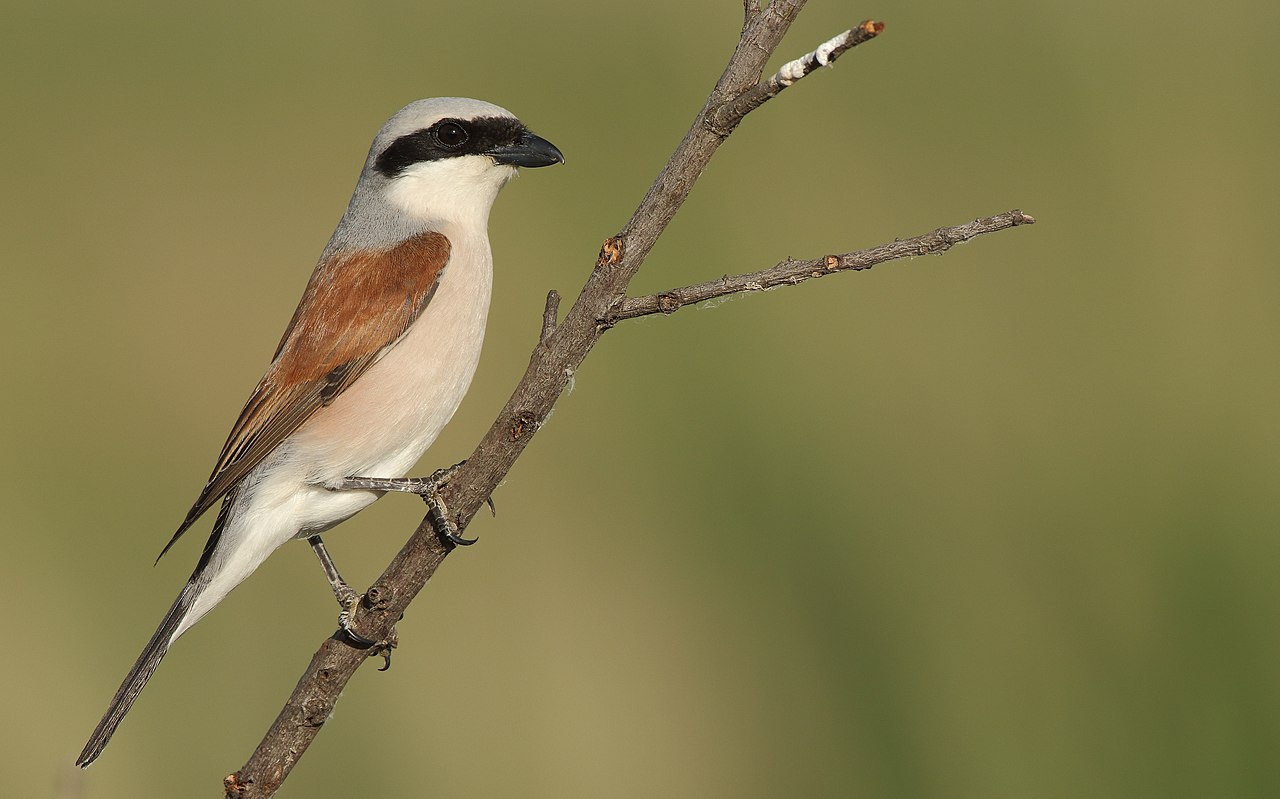
Shrikes typically have strong, hooked bills and relatively large heads. Plumage varies by species but often shows contrasting patterns — for example a dark mask across the eyes, pale underparts and darker upperparts. They perch conspicuously in open habitats, using elevated vantage points to search for prey.
- Robust, hooked bill adapted for killing and tearing flesh
- Long wings and moderately long tails for agile flight
- Bold head patterns (masks or stripes) in many species
- Perching behavior on exposed posts, wires or shrubs
Behavior and diet
Shrikes are primarily carnivorous, eating large insects, small vertebrates such as lizards and mice, and sometimes small birds. Because they lack the strong talons of raptors, shrikes use their bill to kill prey and often secure food by impaling it. The practice of storing food skewered on thorns or barbs serves several purposes: it helps tear prey into pieces, allows easier handling, and creates a larder for later consumption. This dramatic feeding style is one of the most widely recognized traits of the group.
Taxonomy, distribution and habitat
The family contains several dozen species divided among a few genera; many sources list about thirty species, most placed in the genus Lanius. Shrikes occur across Europe, Asia, Africa and the Americas, with species adapted to a range of open or semi-open environments: grasslands, scrub, agricultural landscapes and woodland edges. Different species vary in migration patterns—some are resident while others undertake seasonal movements.
Breeding, conservation and human interactions
Shrikes build cup-shaped nests where the female lays several eggs; both parents often share feeding duties. Population trends depend on species and region. Habitat loss, pesticide use and changes in prey availability have affected some populations, while others remain common. Shrikes have a long cultural presence in folklore and natural history because of their unusual feeding habit and bold appearance.
For further reading on anatomy, species lists and conservation status, consult authoritative bird guides and databases represented by the links: passerine overview, bird families, Laniidae details, genera, etymology, and common names.
Questions and answers
Q: What are shrikes?
A: Shrikes are passerine birds of the family Laniidae.
Q: How many species of shrikes are there in the Laniidae family?
A: There are 31 species of shrikes in the Laniidae family.
Q: Why are shrikes sometimes called "butcher birds"?
A: Shrikes are sometimes called "butcher birds" because of their feeding habits. They stick their prey on a thorn, as on a meat hook, which makes it easier for them to feed on it.
Q: What is the meaning of the family name for shrikes?
A: The family name for shrikes, Lanius, is derived from the Latin word for "butcher".
Q: In how many genera can shrikes be found?
A: Shrikes can be found in three genera.
Q: How do shrikes make it easier for them to feed on their prey?
A: Shrikes stick their prey on a thorn, as on a meat hook, which makes it easier for them to feed on it.
Q: What is the feeding habit of shrikes?
A: The feeding habit of shrikes involves sticking their prey on a thorn to make it easier for them to feed on it.
Related articles
Author
AlegsaOnline.com Shrike: the predatory passerine often called the 'butcher bird' Leandro Alegsa
URL: https://en.alegsaonline.com/art/90069
Sources
- britannica.com : "shrike (bird) -- Britannica Online Encyclopedia"