
Shrek (2001 film and franchise)
Shrek is a DreamWorks animated film (2001) based on a William Steig picture book. It launched a major franchise of sequels, specials, a spin-off, and a Broadway musical, noted for subverting fairy-tale tropes.
Overview
Shrek began as an animated feature released by DreamWorks Animation in 2001, adapted from William Steig's 1990 picture book. Co-directed by Andrew Adamson and Vicky Jenson, the film follows an irritable but good-hearted ogre who sets out to reclaim the solitude of his swamp and ends up on an unexpected quest involving a talkative donkey and a princess with a secret. The movie combined computer animation with contemporary pop culture humor, reworking traditional fairy-tale elements for a modern audience.
Image gallery
6 Images


Origins and name
The story traces back to a short children's book by William Steig. The character name "Shrek" is commonly linked to the German and Yiddish word for fright or terror—Schreck/שרעק—reflecting the gruff, fearsome image the ogre initially projects. DreamWorks expanded the brief picture-book premise into a full-length screenplay that leaned on parody, irreverent dialogue, and a blend of familiar fairy-tale motifs turned on their heads.
Production, voices and style
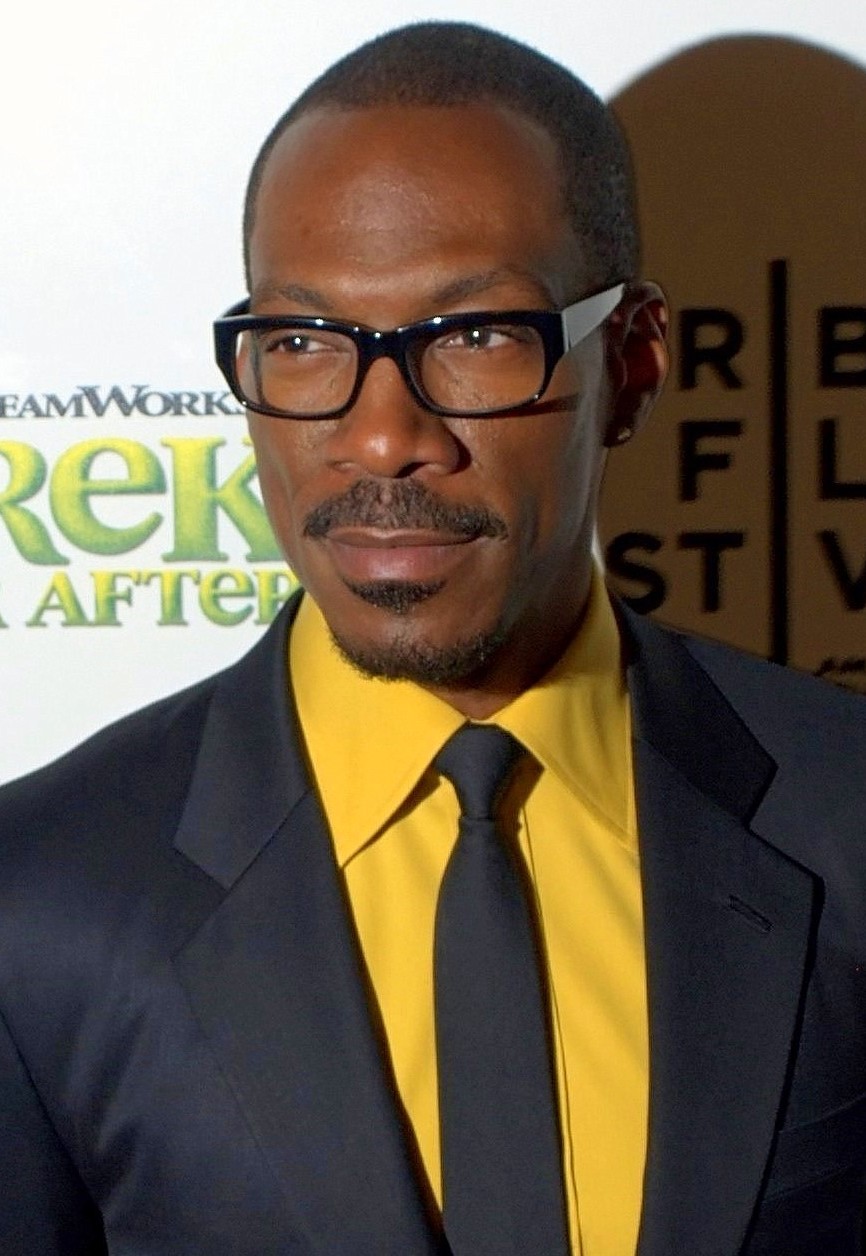
Shrek's lead characters were brought to life by prominent voice actors: Mike Myers as the ogre, Eddie Murphy as Donkey, and Cameron Diaz as Princess Fiona, later joined in the series by Antonio Banderas as Puss in Boots. The animation mixed stylized character design with detailed environments and modern music cues. The film is notable for its use of contemporary pop songs integrated into scenes, and for using humor aimed at both children and adults.
Sequels, specials and spin-offs
The original film launched a franchise that includes several theatrical sequels and television specials. Major follow-ups released after the first film include:
- Shrek 2 (2004)
- Shrek the Third (2007)
- Shrek Forever After (2010)
Television holiday specials and short projects expanded the franchise's presence on home video and TV. A successful spin-off centered on the swashbuckling cat character, Puss in Boots, became its own theatrical entry and later continued the character's story. The property was also adapted into a stage musical for Broadway, broadening its reach beyond film.
Reception and legacy
Shrek was a commercial and critical success, praised for its clever writing and distinctive approach to familiar fairy-tale material. It earned the inaugural Academy Award for Best Animated Feature, a category introduced at the Oscars in 2001. The franchise influenced how mainstream animation could incorporate satire, pop culture references, and adult-friendly jokes while remaining family-accessible. Over time Shrek entered popular culture through merchandising, theme-park appearances, and an enduring online presence.
Further reading and references
For additional context and source material, see links below and materials related to William Steig's original book, DreamWorks production notes, and critical analyses of the films and stage adaptation.
Questions and answers
Q: What is Shrek?
A: Shrek is an animated movie based on William Steig's 1990 fairy tale picture book.
Q: What does the name Shrek mean?
A: The name Shrek likely comes from the Yiddish word שרעק (pronounced Shreck) or the German word Schreck. Both words mean "fear" or "terror".
Q: Who directed Shrek?
A: Shrek was directed by Andrew Adamson.
Q: Who animated Shrek?
A: Shrek was animated by DreamWorks Animation.
Q: What award did Shrek win?
A: Shrek was the first movie to win an Academy Award for Best Animated Feature, a category introduced in 2001.
Q: How many sequels of Shrek have been released?
A: There have been three sequels of Shrek, called Shrek 2 and Shrek the Third and Shrek Forever After.
Q: What other versions of Shrek have been released?
A: There is also a Christmas special, a Halloween special, a spinoff movie about a minor character in the sequels and specials, and an adapted Broadway musical. Additionally, there was a show called Scary Stories released on Netflix in 2009.
Related articles
Author
AlegsaOnline.com Shrek (2001 film and franchise) Leandro Alegsa
URL: https://en.alegsaonline.com/art/90057
Sources
- boxofficemojo.com : "Shrek"
- brainyquote.com : "Definition of Fright", BrainyQuote, retrieved 07 May 2007
- culture.com : "Shrek: Interview With Mike Myers"
- jimhillmedia.com : ""From the Swamp to the Screen" is a really entertaining look at the creation of the first two "Shrek" films"
- culture.com : "Shrek : Production Information"
- digitalmediafx.com : "Animating Shrek - Behind the scenes"
- jimhillmedia.com : "How "Shrek" went from being a train wreck to one for the record books"
- digitalanimators.com : "The Making of Shrek"
- nymag.com : "Dada's Boy"
- guardian.co.uk : "They made a monster"
- guardian.co.uk : "Mike Myers forces £4m rejig of Shrek"
- festival-cannes.com : "Shrek"
- guardian.co.uk : "Shrek scores at the US box office"
- digitalmediafx.com : "Shrek Opens on 3,587 Screens!"
- digitalmediafx.com : "Taking Shrek Digital"