
Shovelnose frog (Hemisus): burrowing frogs of sub‑Saharan Africa
Shovelnose frogs (genus Hemisus) are small, round-bodied burrowing frogs from sub‑Saharan Africa. Known for their hardened, upturned snout and head‑first digging, they breed in underground chambers and emerge after rain.
The shovelnose frogs are a small group of burrowing amphibians placed in the genus Hemisus. About nine recognized species make up this lineage, which is the sole genus in the family Hemisotidae. These frogs occur primarily across tropical and subtropical sub‑Saharan Africa, where they occupy a range of savanna, grassland and open woodland habitats. They are true frogs in the broad sense but differ from many other families in both shape and lifestyle.
Image gallery
4 Images


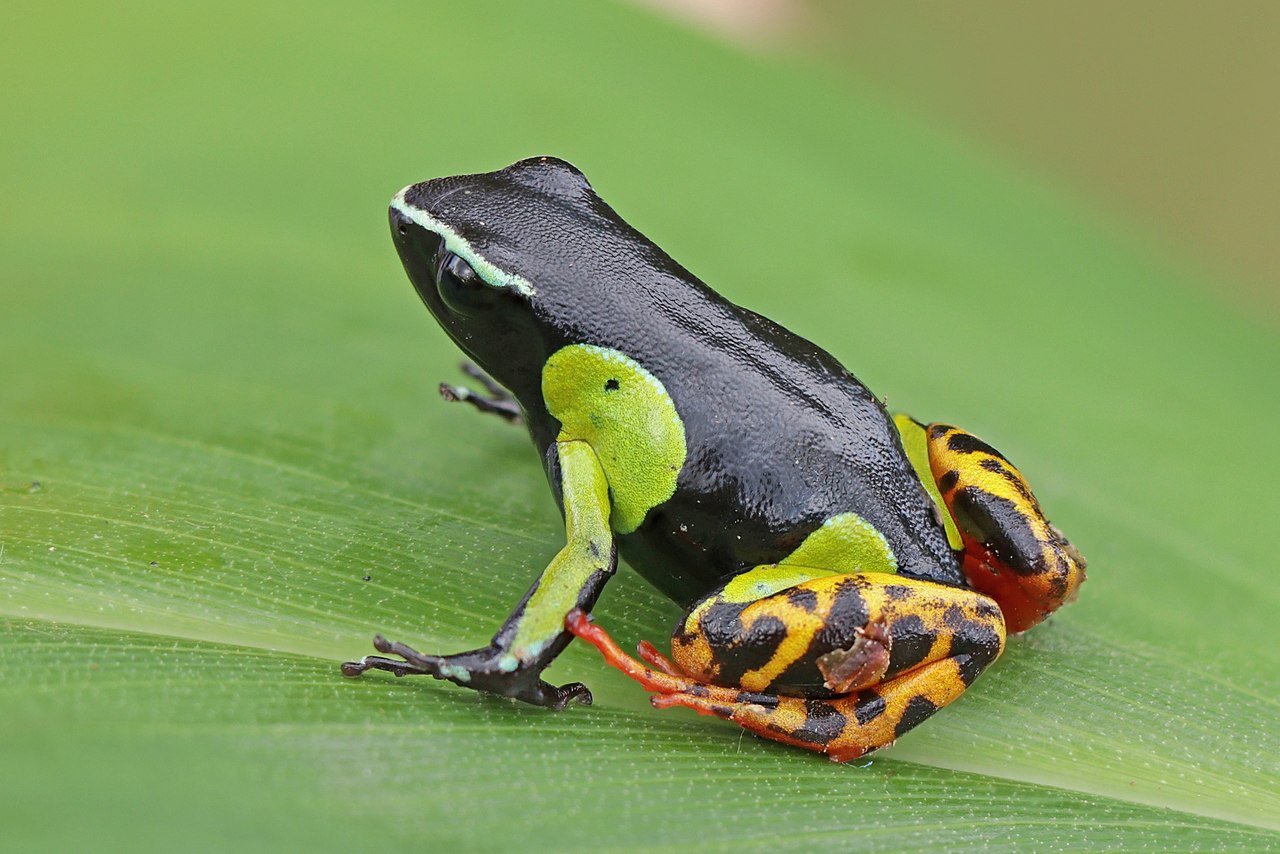
Physical characteristics
Shovelnose frogs are generally small to medium in size, with adult body length commonly near 6–8 cm. Their bodies are compact and rounded, with relatively short limbs adapted for a life spent mostly underground. The most distinctive feature is a hardened, upturned snout or “shovel” that the animals use to push through soil. Skin texture and coloration vary by species but typically provides camouflage against the substrate.
- Rounded body and short hind legs—adaptations for burrowing rather than long jumps.
- Firm, keratinized tip of the snout that acts as a digging tool.
- Cryptic brownish or mottled coloration to blend with soil and leaf litter.
Behavior and burrowing
Shovelnose frogs are fossorial: they spend much of their lives underground and surface most often during or after heavy rains. Unlike many burrowing frogs that back into tunnels using their hind limbs, these frogs excavate head first, thrusting soil aside with their reinforced snout. Their short limbs and stout build make them efficient at moving through loose soils, and they often live in self‑made burrows that provide shelter from heat, predators and desiccation.
Reproduction and development
Reproductive behavior is adapted to the episodic nature of water in their environments. Mating often occurs in or near burrows: a female will dig an underground chamber in which she deposits eggs. In many species the male departs after amplexus, while the female remains with the clutch. When seasonal rains flood nearby depressions or create temporary pools, the female will excavate a tunnel toward the water, allowing the newly hatched tadpoles to reach an aquatic habitat. Tadpoles complete metamorphosis in standing water; some tolerate short periods out of water during the transfer from nest to pool.
Ecological role and human interactions
As insectivores, shovelnose frogs help control soil‑surface and subterranean invertebrate populations. Their burrowing can also contribute to soil aeration. Some species are occasionally kept in the exotic pet trade, but their specialized needs—burrowing substrate, moisture cycles and space—mean they require experienced care. Habitat loss, changes to rainfall patterns and local collecting may affect populations, so conservation attention focuses on habitat protection and monitoring where needed.
Taxonomy, distinctions and research interest
The family Hemisotidae is notable because it contains a single, distinctive genus, Hemisus, separated from other frog families by its skull shape, snout specialization and reproductive habits. Researchers study these frogs to understand evolutionary adaptations to fossorial life and reproductive strategies tied to unpredictable wet seasons. Field guides and regional faunas covering sub‑Saharan Africa provide species accounts, and taxonomic revisions occasionally adjust the number and limits of named species.
For further reading on species lists, natural history and care guidelines see general amphibian resources and regional checklists (search links indexed here: species list, amphibian overview, genus information, family details, distribution maps, reproductive notes, tadpole descriptions).
Questions and answers
Q: What is the shovelnose frog?
A: The shovelnose frog is a genus of nine species of medium-sized digging frogs, the only genus in the Family Hemisotidae, found in tropical and subtropical sub-Saharan Africa.
Q: What is the size of shovelnose frogs?
A: Shovelnose frogs are medium-sized frogs that reach a length of 8 centimetres (3.1 inches) with round bodies and short legs.
Q: What is the characteristic of shovelnose frogs?
A: Shovelnose frogs have a small and narrow head with a hard, upturned nose.
Q: What does shovelnose frog eat?
A: There is no information provided about the diet of the shovelnose frog in the given text.
Q: Where do shovelnose frogs spend most of their life?
A: Shovelnose frogs live most of their life underground.
Q: How do shovelnose frogs lay eggs?
A: The female will dig underground while in amplexus and lay the eggs in an underground hole. The male will leave through the tunnel, and the female will stay with the eggs.
Q: What is unique about the method of digging used by the shovelnose frog?
A: Unlike other digging frogs that dig rear first, shovelnose frogs dig head first.
Related articles
Author
AlegsaOnline.com Shovelnose frog (Hemisus): burrowing frogs of sub‑Saharan Africa Leandro Alegsa
URL: https://en.alegsaonline.com/art/90035
Sources
- research.amnh.org : Amphibian Species of the World: Hemisus