
Shorinji Kempo
Japanese martial art combining strikes, throws, joint locks and a Buddhist-influenced philosophy. Founded by Michiomi Nakano (Doshin So) after World War II, practiced for self‑defense, health, and character development.
Shorinji Kempo is a modern Japanese martial art that blends practical self‑defense techniques with a philosophy of personal development and mutual support. The name literally evokes the "Shaolin Temple" (Shorinji) and the Chinese-derived concept of "kenpo" or "kempo" (law/fist); it is often described as a style of kenpo. Practitioners train both body and mind, aiming to improve physical conditioning, confidence, and social responsibility.
Image gallery
2 Images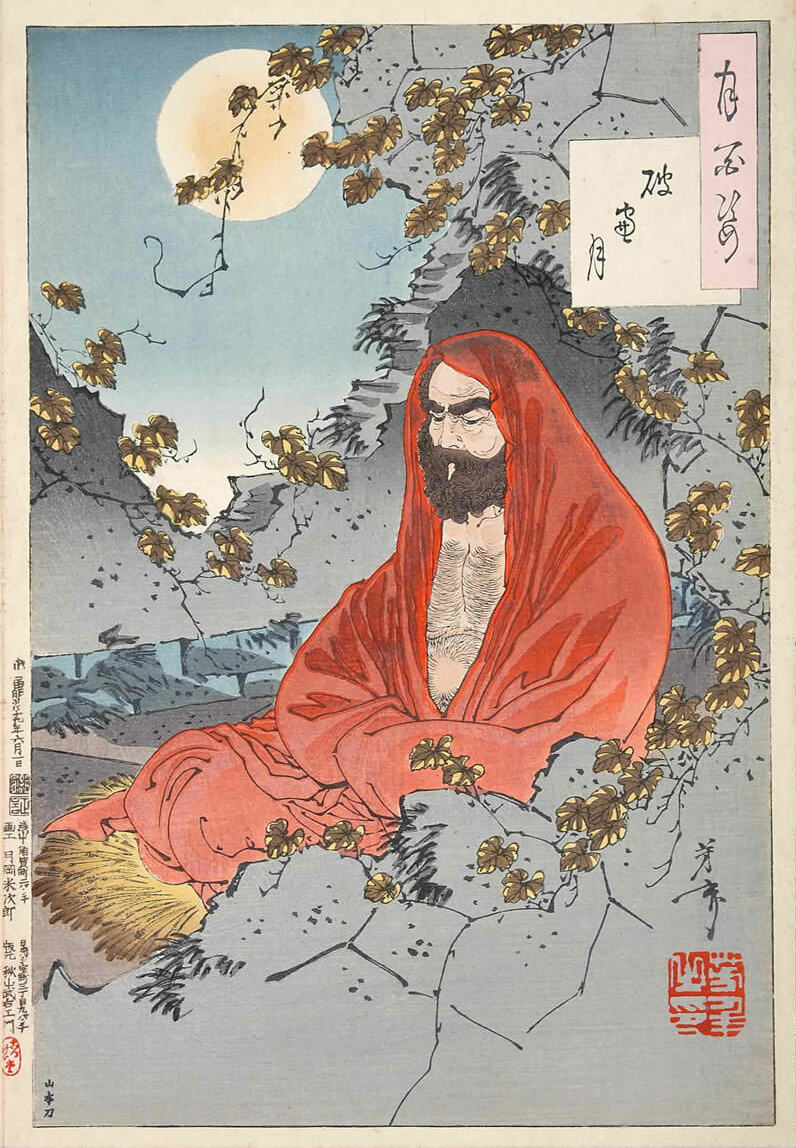

Characteristics and techniques
Shorinji Kempo combines a variety of methods drawn from striking and grappling traditions. Typical elements include:
- Strikes (punches and kicks) and blocks
- Joint locks and controlling holds
- Throws and takedowns
- Paired practice of forms and controlled sparring
Training emphasizes flowing combinations and partner drills rather than competition-oriented sport rules, though some clubs practice free sparring in a controlled manner.
Training structure and practice
Classes usually mix basics, partner techniques, and partnered forms. Students practice fundamentals (stance, footwork, basic strikes), paired sequences to learn timing and distancing, and exercises intended to build mental focus and cooperation. Rankings and teaching methods vary by organization, but progression stresses technical skill alongside ethical and philosophical study.
History and influences
Shorinji Kempo was founded in the mid‑20th century by Michiomi Nakano (later known as Doshin So). Its curriculum draws on Chinese and Japanese martial traditions and integrates elements of Eastern philosophy and religion to shape a system for rehabilitation, character education, and self‑defense following the disruptions of World War II. Since its founding it has grown into organized schools and federations in Japan and abroad.
Uses, significance, and distinctions
People practice Shorinji Kempo for practical self‑defense, physical fitness, stress reduction, and moral education. It is distinguished from many purely competitive martial arts by its explicit emphasis on mutual welfare, ethical instruction, and community service. Various organizations and dojos teach slightly different emphases, so the felt experience can range from a vigorous combative system to a broadly educational discipline.
Author
AlegsaOnline.com Shorinji Kempo Leandro Alegsa
URL: https://en.alegsaonline.com/art/89986