
Shivaji — founder of the Maratha state and 17th‑century Deccan leader
Shivaji Bhonsale (1630–1680) established an autonomous Maratha polity in western India, known for hill‑fort strategy, naval initiatives, guerrilla tactics and a lasting administrative and cultural legacy.
Overview
Shivaji Bhonsale emerged in the 17th century as the principal architect of a sovereign Maratha polity in western India. Born at Shivneri Fort in the territory that is now the state of Maharashtra, his career combined military innovation, regional diplomacy and institutional reform. He is widely remembered for founding the Maratha Empire as an independent power that challenged established dynasties in the Deccan and asserted local rule and identity.
Image gallery
10 Images





Early life and political background
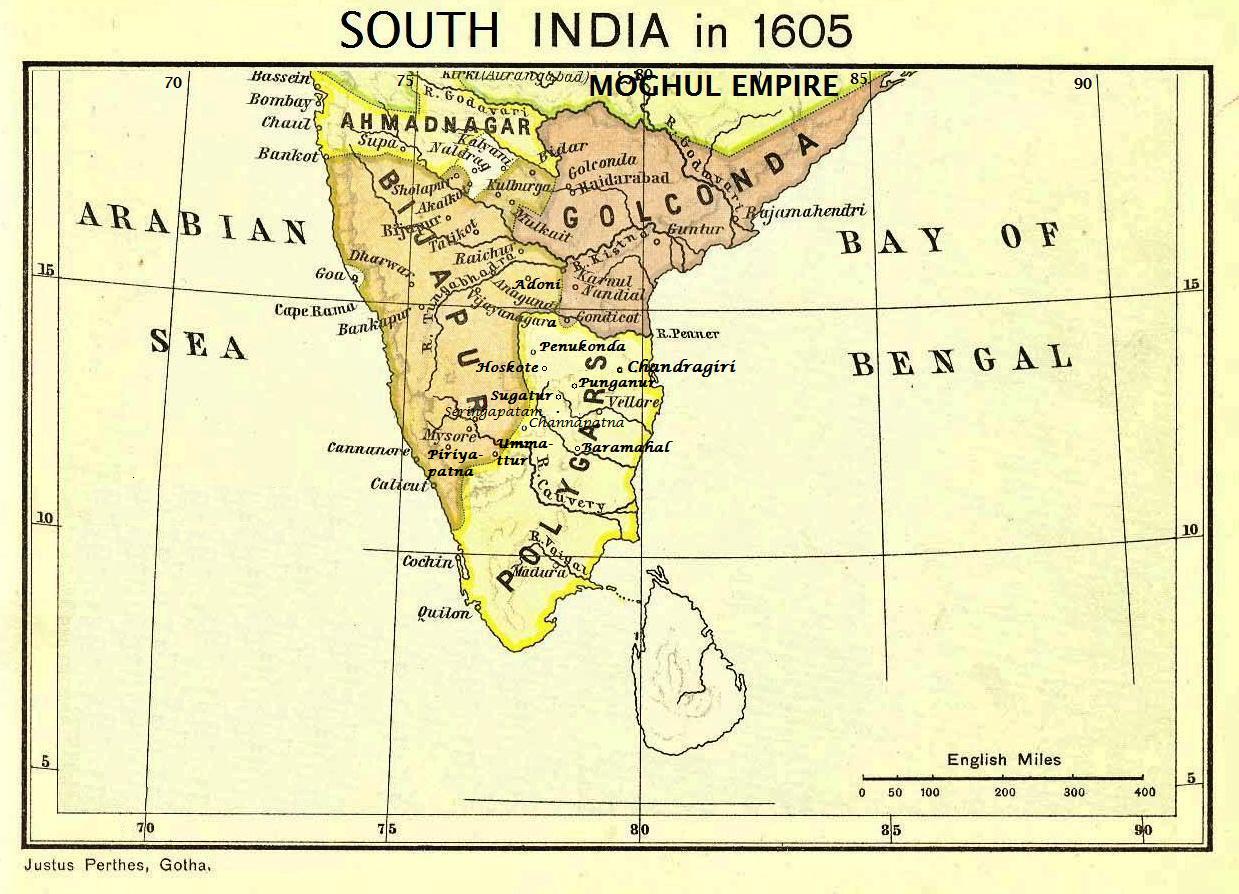
Shivaji was the son of Shahaji Bhonsale, a cavalry leader attached to the Deccan sultanates, and Jijabai, whose religious and cultural instruction shaped his outlook. The name Shivaji is traditionally linked to homages to Lord Shiva and local devotional practice. His childhood unfolded against a complex map of regional forces: the remaining principalities of the Deccan including the sultanates, the disintegrating Nizamshahi authority of Ahmednagar, European trading enclaves on the Konkan coast, and the expansionist Mughal court that had extended south since the time of Akbar. Shahaji’s service took the family to Bangalore and other centers in Karnataka, while Shivaji’s formative years were spent around Pune and the hill country nearby.
Military methods and territorial consolidation
Shivaji’s military approach emphasized mobility, local intelligence and use of terrain. Operating from a network of hill forts, he adopted surprise attacks and rapid territorial raids — tactics later called guerrilla warfare in broader literature. He invested in coastal defenses and a modest navy to protect merchant routes and coastal strongpoints. His campaigns focused on consolidating key forts and hinterlands rather than seeking immediate large territorial annexations; this gave his realm resilience against larger but less flexible adversaries such as the Mughals and rival sultanates.
Administration and institutions
Beyond warfare, Shivaji created permanent administrative structures to sustain governance. He is credited with forming a council of ministers to advise the ruler and manage distinct portfolios, codifying revenue practices, and strengthening local militias for defence. These measures aimed to regularize taxation, secure grain and armaments, and mobilize resources for both administration and military needs. His rule combined pragmatic statecraft with appeals to local traditions and religious symbols.
Legacy and cultural significance
Shivaji’s reign left a lasting imprint on regional politics, maritime security, and cultural identity. He is often credited with energizing Marathi language and institutions, patronizing temples and artisan communities, and establishing a model of regional sovereignty that influenced later Maratha expansion. Monuments, festivals and historical memory preserve his image as a founder and symbol of regional self‑rule. His coronation as a sovereign ruler and subsequent administrative practices became reference points for successors who expanded Maratha influence across the subcontinent.
Key features and notable facts
- Origins: Born at Shivneri, son of Shahaji and Jijabai; upbringing mixed martial training with religious and epic stories such as the Mahabharata.
- Fort-centric strategy: emphasized hill forts and local strongholds around places like Pune and coastal sites.
- Naval and coastal policy: sought control of the Konkan littoral to secure trade and supply lines (Konkan coast).
- Political context: acted amid the decline and rivalry of Deccan sultanates and the advancing influence of the Mughals and other regional powers.
- Administrative legacy: institutional innovations that balanced military needs with civil governance, later expanded by successors.
For introductory overviews and further reading on related topics, consult sources on the Maratha Empire, the Deccan sultanates, and regional histories centered on Pune and the Konkan. Detailed biographies discuss his upbringing in the household of Shahaji, time in Bangalore, and the religious milieu that invoked figures such as Shiva and stories from the Mahabharata.
Questions and answers
Q: Who was Chhatrapati Shivaji Maharaj?
A: Chhatrapati Shivaji Maharaj was the founder of the Maratha Empire. He is one of the revered historical figures of Maharashtra and created an independent and sovereign state in the region.
Q: Where was Shivaji Bhonsale born?
A: Shivaji Bhonsale was born in the Shivneri Fort in Maharashtra on 19 February 1630 to mother Jijabai and father Shahaji Bhosale.
Q: What is said about his name?
A: It is said that mother Jijabai prayed to Lord Shiva in Shivneri Fort for a brave son and kept her son's name as Shivaji after the Hindu god Shiva.
Q: What did Mata Jijabai teach her son?
A: Mata Jijabai taught her son, Shivaji, stories from Hindu epics such as Mahabharata, stories of old mighty Hindu kingdoms such as Vijayanagara, and also trained him in guerrilla warfare.
Q: Who were some of the powers fighting for control over Konkan at that time?
A: At that time, there were two sea powers fighting for control over Konkan - Christian Portuguese and Muslim Siddi - as well as British and Dutch who were engaged in expanding their trade with factories on the coast. The Mughals also wanted to expand their power into South India during this period.
Q: What happened to Nizamshahi Kingdom during this period?
A: The Mughals launched a campaign to conquer Nizamshahi Kingdom which resulted in its end by 1636. Thereafter Shahaji became a Sardar of Adilshah of Bijapur posted in Karnataka while his jagir comprising Pune, Supe, Indapur, Chakan Parganas located between Bhima and Nira rivers continued under Adilshah's rule.
Q: Where did Mata Jijabai stay with her son until he turned twelve years old?
A: Until he turned twelve years old, Mata Jijabai stayed with her son at Bangalore where his father Shahaji had been assigned a jagir by Adilshah of Bijapur
Related articles
Author
AlegsaOnline.com Shivaji — founder of the Maratha state and 17th‑century Deccan leader Leandro Alegsa
URL: https://en.alegsaonline.com/art/89898
Sources
- importantindia.com : "Biography of Chhatrapati Shivaji Maharaj (Shivaji Raje Bhosale)"