
Shirley Valentine — one‑woman play by Willy Russell
A one-character stage play in which a Liverpool housewife speaks directly to the audience about love, identity and renewal; notable for its comic voice and later film adaptation.
Overview
Shirley Valentine is a one-woman play written by Willy Russell. Presented as a monologue, it follows a middle-aged, working-class Liverpool housewife who talks to the audience from her kitchen and then recounts a life-changing holiday abroad. The piece blends humour and poignancy to explore personal dissatisfaction, small-town routines, and a search for selfhood.
Image gallery
1 Image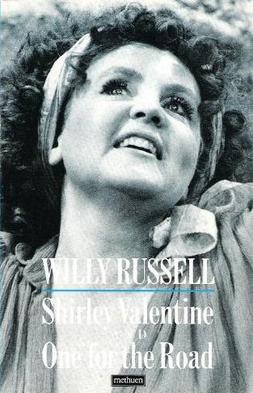
Structure and central character
The drama is staged for a single performer who directly addresses the audience, a format often described as a monologue or solo show. The title character acts as narrator, confidante and comic commentator. Stage directions generally require minimal sets and ordinary domestic props to keep the focus on language, timing and the actor’s relationship with the audience. The character’s Liverpool background is integral to her voice and perspective; productions often retain regional accents and cultural details associated with Liverpool.
Themes and significance
Major themes include the constraints of domestic life, gender roles, class, loneliness and the possibility of reinvention. The work is valued for its combination of sharp comedy and emotional honesty: it mines everyday experience for both laughs and inward transformation. Directors and actors use the piece to examine social expectations placed on middle-aged women and to celebrate individual agency.
Performance history and adaptations
After early success on the British stage, Shirley Valentine has been staged internationally and adapted into other media. A prominent screen adaptation in 1989 starred Pauline Collins and brought the story to a wider audience. The play continues to be revived and taught for its clarity of voice, strong central role and direct engagement with spectators — qualities that make it a frequent choice for community, regional and professional theatre companies.
Notable aspects
- One-actor format that foregrounds performance skill.
- Mix of comic monologue and introspective drama.
- Widely performed and adapted; useful in actor training and cultural study (further references).
Questions and answers
Q: What is Shirley Valentine?
A: Shirley Valentine is a one-character play by Willy Russell.
Q: What is the story about?
A: It focuses on the life of a middle-aged, working-class Liverpool housewife before and after a transforming holiday abroad.
Q: Who is the main character in Shirley Valentine?
A: The main character in Shirley Valentine is a middle-aged, working-class Liverpool housewife.
Q: What is the format of Shirley Valentine?
A: The format of Shirley Valentine is a monologue.
Q: Who is the playwright of Shirley Valentine?
A: Willy Russell is the playwright of Shirley Valentine.
Q: What is the focus of Shirley Valentine?
A: Shirley Valentine focuses on the life of a working-class Liverpool housewife and her transformation after a holiday abroad.
Q: How would you describe Shirley Valentine?
A: Shirley Valentine can be described as a powerful one-character play that explores the themes of self-discovery, transformation, and the role of a woman in a working-class society.
Related articles
Author
AlegsaOnline.com Shirley Valentine — one‑woman play by Willy Russell Leandro Alegsa
URL: https://en.alegsaonline.com/art/89880
Sources
- nytimes.com : "THEATER; One Woman's Fling In 'Shirley Valentine'"
- movies.nytimes.com : "Shirley Valentine (1989) Review/Film; Shirley Valentine Talks With Others"
- bbc.co.uk : "Willy Russell - Shirley Valentine, Saturday Drama - BBC Radio 4"