
Shetland Sheepdog (Sheltie): Overview, Appearance, Temperament, and Care
Compact, intelligent herding dog from the Shetland Islands. Known as the Sheltie, it has a long double coat, strong herding instincts, high trainability, and specific grooming and health needs.
Overview
The Shetland Sheepdog, commonly called the Sheltie, is a small to medium-sized herding breed that developed on the Shetland Islands. Bred originally to herd sheep and protect livestock in a harsh northern climate, modern Shelties are kept as working dogs, competitors in dog sports and obedience, and family companions. They are prized for their intelligence, agility and loyalty.
Image gallery
10 Images




Appearance and coat
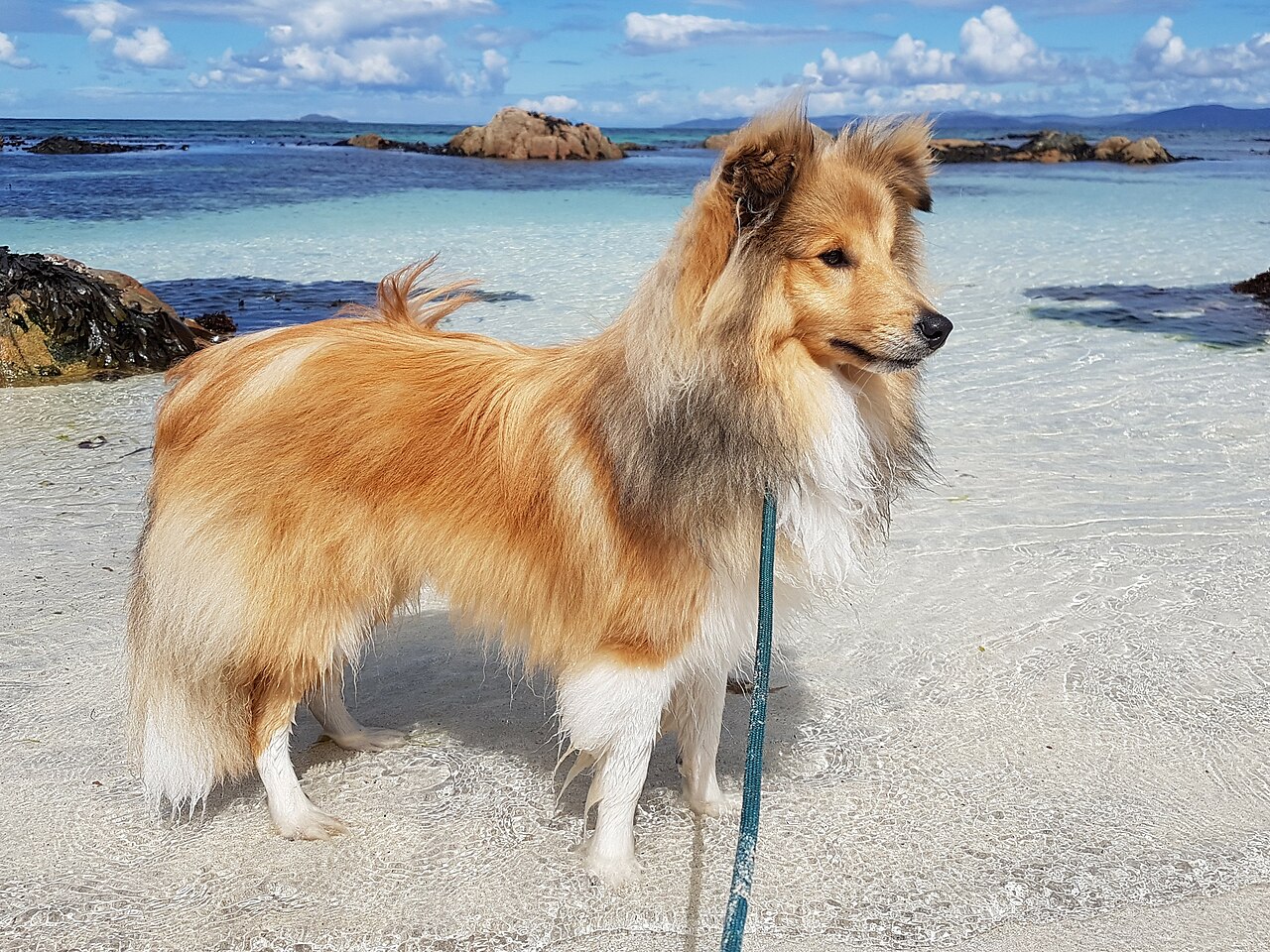
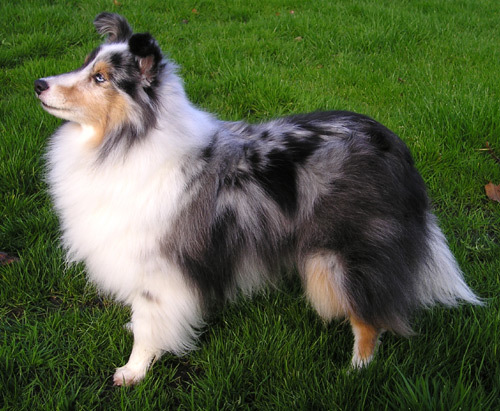
Shelties are distinguished by a long, straight outer coat with a dense, woolly undercoat that provides insulation. The coat forms a pronounced mane around the neck and feathering on the legs and tail. Common color patterns include sable and white, tricolor (black, white and tan), and blue merle; variations and markings appear across individual dogs. Shelties shed seasonally and benefit from regular grooming to prevent matting and reduce loose hair. For more about typical coat types see coat colors and patterns and grooming advice at grooming resources.
Size and physical traits
Compared with the Rough Collie, Shelties are notably smaller but share a similar overall outline. A typical adult stands roughly 13–16 inches at the shoulder and is lightly built but muscular. Their alert expression, almond-shaped eyes, and erect or tipped ears contribute to an intelligent, watchful appearance. Breed standards and detailed measurements can be found through regional kennel organizations and clubs; see a breed standard summary at size guidelines and regional breed clubs at Shetland origin resources.
Temperament, training and activity
Shelties are known for quick learning and strong desire to please, ranking among the more trainable breeds. They retain a pronounced herding instinct: many will try to gather people or animals and may nip at heels if not directed into appropriate activities. Shelties are often lively and vocal, serving as good watchdogs. Positive reinforcement and consistent, gentle training work best. Their agility, obedience and herding instincts make them well suited to canine sports and structured mental challenges; search training programs at training resources and popular competition listings at sport and club links.
Health, lifespan and care
Typical longevity for Shelties is in the low to mid teens. Responsible breeders screen for genetic conditions that can affect the breed, including certain eye disorders, clotting conditions and hip problems; regular veterinary checks and appropriate testing are important. Daily exercise, mental stimulation, and routine grooming help maintain physical and emotional wellbeing. For reputable health screening protocols and breeder guidelines consult health screening and genetic testing information at breed health resources.
History and uses
The breed developed from small, hardy herding dogs of northern Britain, refined over time for intelligence and suitability to island life. In the late 19th and early 20th centuries breeders standardized the type for showing while preserving working ability. Today Shelties continue to serve as herding dogs in some regions but are also highly visible in conformation rings, obedience, agility and as therapy animals. For historical background and breed development see collie relations and history and regional archives at Shetland resources.
Notable distinctions and considerations
- Often confused with smaller Rough Collies, but Shelties are a distinct breed with their own standard.
- They excel where mental stimulation and structured work are provided; without this they can become bored and noisy.
- Prospective owners should request health clearances and meet parents or working lines when possible; many clubs publish breeder guidelines and placement advice at club pages and registration resources.
For additional reading and community resources, regional breed clubs and kennel organizations maintain extensive breed profiles and care recommendations; a useful starting collection can be found at Shetland Island history, breed health sites, and training and sport links at club networks.
Questions and answers
Q: What is a Shetland Sheepdog?
A: A Shetland Sheepdog is a kind of small dog whose ancestors came from the Shetland Islands.
Q: What is another name for a Shetland Sheepdog?
A: Many people call them "Shelties".
Q: Are Shelties popular pets in many countries?
A: Yes, they are popular pets in many countries.
Q: What is the color of most Shelties' coat?
A: Most shelties are sable and white (brown and white) or tri-color (black, white and tan).
Q: Are Shelties good with children?
A: Yes, they are great with children.
Q: Are Shelties intelligent dogs?
A: Yes, Shelties rank in the top ten smartest dogs. They learn new things very quickly and remember them well.
Q: Do Shelties bark a lot?
A: Yes, they do bark a lot, but they make great family pets as long as you do not mind a dog that barks.
Related articles
Author
AlegsaOnline.com Shetland Sheepdog (Sheltie): Overview, Appearance, Temperament, and Care Leandro Alegsa
URL: https://en.alegsaonline.com/art/89722