
House of Sheremetev: Russian noble family and patrons of the arts
The House of Sheremetev was a leading Russian noble family known for military and civil service, vast estates such as Kuskovo, patronage of the arts, and the hereditary title of Count in the Russian Empire.
Overview
The House of Sheremetev (Russian: Шереме́тевы) was one of the most prominent noble families in Imperial Russia. Over several centuries its members held senior military commands, provincial governorships and high court offices. The family accumulated considerable wealth and social influence, became hereditary counts in the Russian Empire, and left a visible mark on Russian architecture, music and theatre.
Image gallery
3 Images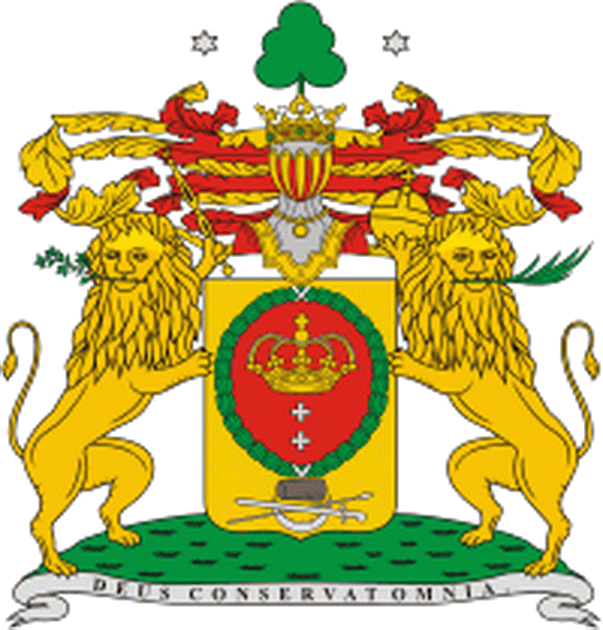


Origins and development
Like many old Russian aristocratic houses, the Sheremetevs trace their rise to service to the tsar and to military leadership. Their fortunes grew through appointments, landholdings and marriage alliances. Members of the family took part in the political and military affairs of Muscovy and later the Russian Empire; some became celebrated commanders and administrators who shaped regional policy and imperial campaigns.
Estates, architecture and cultural patronage
The family owned several large estates, most famously the Kuskovo country estate east of Moscow, created and expanded in the mid-18th century. Kuskovo is noted for its park, palace and ensemble of pavilions that reflected aristocratic tastes of the era. The Sheremetevs maintained a grand town residence in Saint Petersburg as part of their role at court. They were also significant patrons of music and theatre: members sponsored private serf theatres and supported composers, performers and the decorative arts.
Notable roles and members
Sheremetevs traditionally served in both the military and civil administration. Among their memorable public roles were high-ranking generals and officials who served under successive rulers. The family’s social prominence was reinforced by cultural patronage and public philanthropy, which preserved their reputation into the 19th century.
Legacy and further reading
The Sheremetev name remains associated with historic estates, art collections and monuments that can still be visited and studied. For concise entries and specialized resources see these references:
Questions and answers
Q: Who were the Sheremetevs?
A: The Sheremetevs were a Russian noble family that was one of the richest and most influential in Russia.
Q: What positions did the Sheremetevs hold in the Russian military?
A: The Sheremetevs held many high commanding positions in the Russian military.
Q: What is the rank of the head of the Sheremetev family?
A: The head of the Sheremetev family held the rank of Count of the Russian Empire.
Q: Where was the estate of the Sheremetev family located?
A: The estate of the Sheremetev family was located at Kuskovo, several miles to the east of Moscow.
Q: Did the Sheremetev family have a residence in St. Petersburg?
A: Yes, the Sheremetev family had a large residence in St. Petersburg.
Q: What was the name given to the head of the Sheremetev family?
A: Due to his rank, the head of the Sheremetev family was called Count Sheremetev.
Q: What was the name given to the wife of the head of the Sheremetev family?
A: The wife of the head of the Sheremetev family was called Countess Sheremeteva.
Related articles
Author
AlegsaOnline.com House of Sheremetev: Russian noble family and patrons of the arts Leandro Alegsa
URL: https://en.alegsaonline.com/art/89679