
Shehnai: South Asian double-reed wind instrument
A North Indian double‑reed woodwind used in classical and ceremonial music. Known for its penetrating, lyrical tone and long cultural association with weddings, temples and maestros like Ustad Bismillah Khan.
Overview
The shehnai is a traditional South Asian woodwind instrument, classed as a double‑reed aerophone and most closely compared to the Western oboe in acoustical terms. It is widely associated with North Indian (Hindustani) classical music and with public ceremonies such as marriages, temple rituals and state occasions. In popular descriptions it is often introduced simply as a "ceremonial" instrument, but it also has a well-established solo repertory and concert tradition.
Image gallery
3 Images

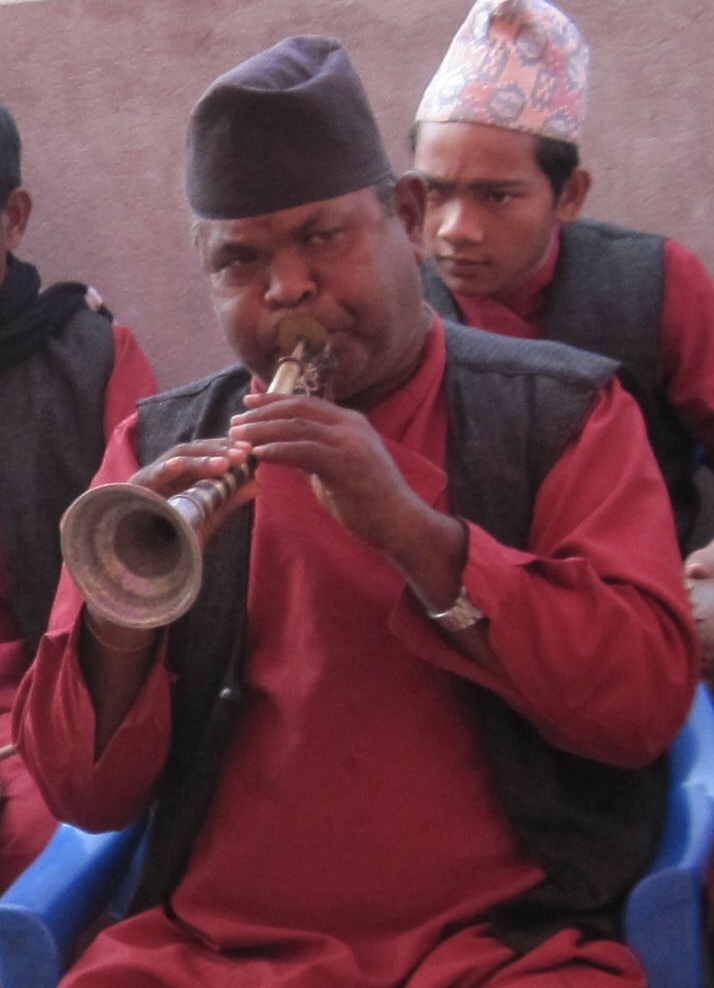
Construction and sound
A typical shehnai is made from a hardwood tube that tapers towards a flared metal bell. The sounding mechanism is a small double reed fitted at the mouthpiece; when blown, the reed produces a bright, penetrating tone whose timbre can be both nasal and lyrical. Players alter pitch and timbre with finger holes on the body and by adjusting breath pressure and embouchure. Characteristics often noted include:
- Double reed similar in principle to an oboe.
- Wooden body with a metal or wooden bell that amplifies the sound.
- Finger holes to shape scales and ornamentation, with a reliance on microtonal inflections.
History and etymology
The word "shehnai" is commonly traced to Persian‑Turkish roots implying a royal or courtly connection combined with a reference to a reed flute or ney. Regional variants — such as the surnai or surna — appear across northern India, Pakistan and Central Asia and are historically linked to courtly and martial music. While often compared with the South Indian nadaswaram, the shehnai and nadaswaram are distinct instruments with different sizes, tunings and repertories.
Cultural role and occasions
For centuries the shehnai has signalled auspicious events: weddings, temple processions and formal public rituals. In certain regions a long cylindrical variant called the surnai is tied to outdoor occasions and festivals; it is also played at traditional polo matches in parts of the subcontinent. The instrument’s ability to cut through ambient noise and its expressive ornamentation make it ideal for both outdoor announcements and intimate concert settings.
Performance practice and repertoire
Shehnai players perform raga‑based classical pieces, light devotional tunes, and folk melodies. Concert technique stresses articulation, controlled breath, and the use of gamakas (ornaments) to render microtonal shadings. Accompaniment commonly includes percussion (tabla) and sometimes harmonium, but solo recitals and duet formats are also standard.
Notable exponents and legacy
The 20th century brought wider concert recognition to the shehnai, most famously through Ustad Bismillah Khan, who brought the instrument to national and international attention. Today the shehnai continues to be taught in guru–shishya lineages and music schools and remains a living tradition with both ceremonial and concert presence.
For general reference see an overview of musical instruments: woodwind instruments. On linguistic and regional origins consult sources on Turkic influence: Turkish. Regional variants and use are documented across northern India: India and Pakistan: Pakistan, including ceremonial uses such as at polo gatherings: polo events.
Questions and answers
Q: What is a Shehnai?
A: A Shehnai is a South Asian music instrument that is typically played at marriages and other ceremonies, rites, and rituals.
Q: What is the origin of the word Shehnai?
A: The word Shehnai has a Turkish origin and combines 'Sheh' (or 'Shah') meaning 'Royal' and '-Nai' or 'Ney', a type of Flute.
Q: What is a Surnai?
A: A Surnai is a version of the Shehnai that is played in the Northern and North-western areas of India and Pakistan, especially at traditional Polo matches.
Q: What is the Shehnai usually made of?
A: The Shehnai is usually made of wood.
Q: How does the Shehnai need to be played?
A: The Shehnai has to be blown like a flute to play it.
Q: What is the regional name for the Shehnai in Andhra Pradesh and Telangana?
A: The Shehnai is referred to as Nadasvaram in Andhra Pradesh and Telangana.
Q: Who is considered the maestro of Shehnai?
A: Ustaad Bismillah Khan is considered the maestro of Shehnai.
Related articles
Author
AlegsaOnline.com Shehnai: South Asian double-reed wind instrument Leandro Alegsa
URL: https://en.alegsaonline.com/art/89593