
Shaka (Shaka kaSenzangakhona): Zulu leader and military reformer
Shaka kaSenzangakhona (c.1787–1828) united Zulu groups, built a centralized kingdom and introduced major military reforms; his rule reshaped southern African politics and remains debated for its violence and legacy.
Overview
Shaka kaSenzangakhona (often spelled Shaka, Tshaka or Chaka; ca. 1787 – ca. 22 September 1828) was a central figure in the emergence of the Zulu state in what is now South Africa. Born to Senzangakhona and Nandi, he rose from relative obscurity to create a powerful, centralized polity that controlled a large region between the Phongolo and Mzimkhulu rivers. Shaka is remembered both for his administrative and military innovations and for the violent consequences of his campaigns.
Image gallery
5 Images


Military organization and innovations
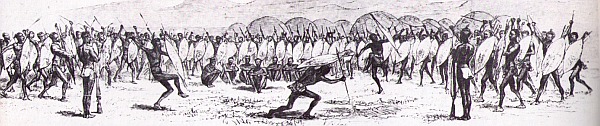
Shaka reorganized Zulu warfare and society around a standing army of age-based regiments (amabutho). He promoted intensive training, strict discipline and new battlefield tactics. Some of the innovations commonly attributed to him include:
- Use of the short stabbing spear (often called iklwa) and large cowhide shields to engage at close quarters rather than relying solely on throwing spears.
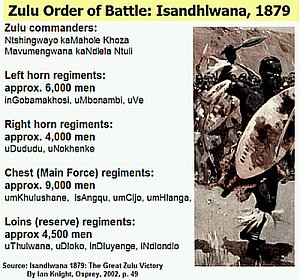
- Manipulated formations, including the so-called "buffalo horns" formation: a central force to fix the enemy and flanking units to encircle.
- Creation of permanent military kraals and regimental settlements that integrated recruits and conquered people into state structures.
Rise to power and governance
Shaka gained prominence in the service of the Mthethwa confederation under Dingiswayo and later asserted control over the Zulu chiefdom after his father. He consolidated power through conquest, alliances and incorporation of defeated groups into his military and administrative systems. Governance under Shaka emphasized loyalty to the king, centralized command, and control over cattle and land redistribution, which strengthened the state's economic base.
Impact and legacy
Shaka transformed a collection of small chiefdoms into a territorial kingdom and set patterns of military and social organization that endured beyond his life. His reforms affected settlement patterns, population movements and the balance of power across southeastern Africa during the early 19th century. In the modern era he is remembered as a founding figure of Zulu identity and is commemorated in South African history and culture.
Controversy and scholarly debate
Accounts of Shaka's rule combine admiration for his statecraft with criticism of extreme brutality attributed to his campaigns and internal policies. Historians debate the scale of violence and the degree to which broader social, economic and environmental factors — including competition for resources and the arrival of European colonists — contributed to the upheavals of the period often called the Mfecane or Difaqane. Evidence from oral traditions, early European reports and later scholarship must be weighed cautiously.
Notable facts
- Shaka was assassinated in 1828 by his half-brothers Dingane and Mhlangana; Dingane succeeded him as Zulu king.
- His name and image have become powerful symbols in southern Africa, evoking both unity and contested memories of violence and expansion.
Questions and answers
Q: Who was Shaka?
A: Shaka kaSenzangakhona was the most important leader of the Zulu Empire who joined the Zulu tribal groups together into the beginnings of a nation.
Q: What is the significance of the Zulu nation?
A: The Zulu nation ruled a large area of southern Africa, between the Phongolo and Mzimkhulu rivers, under Shaka's leadership.
Q: How is Shaka known as a leader?
A: Shaka is known as one of the greatest Zulu chieftains who demonstrated immense energy and leadership.
Q: What is the reason behind Shaka being called a military genius?
A: Shaka is called a military genius for his changes and new ideas that led to the establishment and success of the Zulu Empire.
Q: Were there any negative consequences of Shaka's leadership?
A: Yes, there were some brutal and cruel things that happened during Shaka's time in charge.
Q: What was Shaka's other name, and how is it spelled differently?
A: Shaka kaSenzangakhona's other name is sometimes spelled as Tshaka, Tchaka, or Chaka.
Q: When did Shaka pass away?
A: Shaka kaSenzangakhona passed away around September 22, 1828, although the exact date is not known.
Related articles
Author
AlegsaOnline.com Shaka (Shaka kaSenzangakhona): Zulu leader and military reformer Leandro Alegsa
URL: https://en.alegsaonline.com/art/89391