
Shahada: The Islamic Declaration of Faith
The Shahada is Islam's central declaration of faith—'There is no god but God; Muhammad is the messenger of God'—serving as the first pillar and a defining statement of Muslim belief and identity.

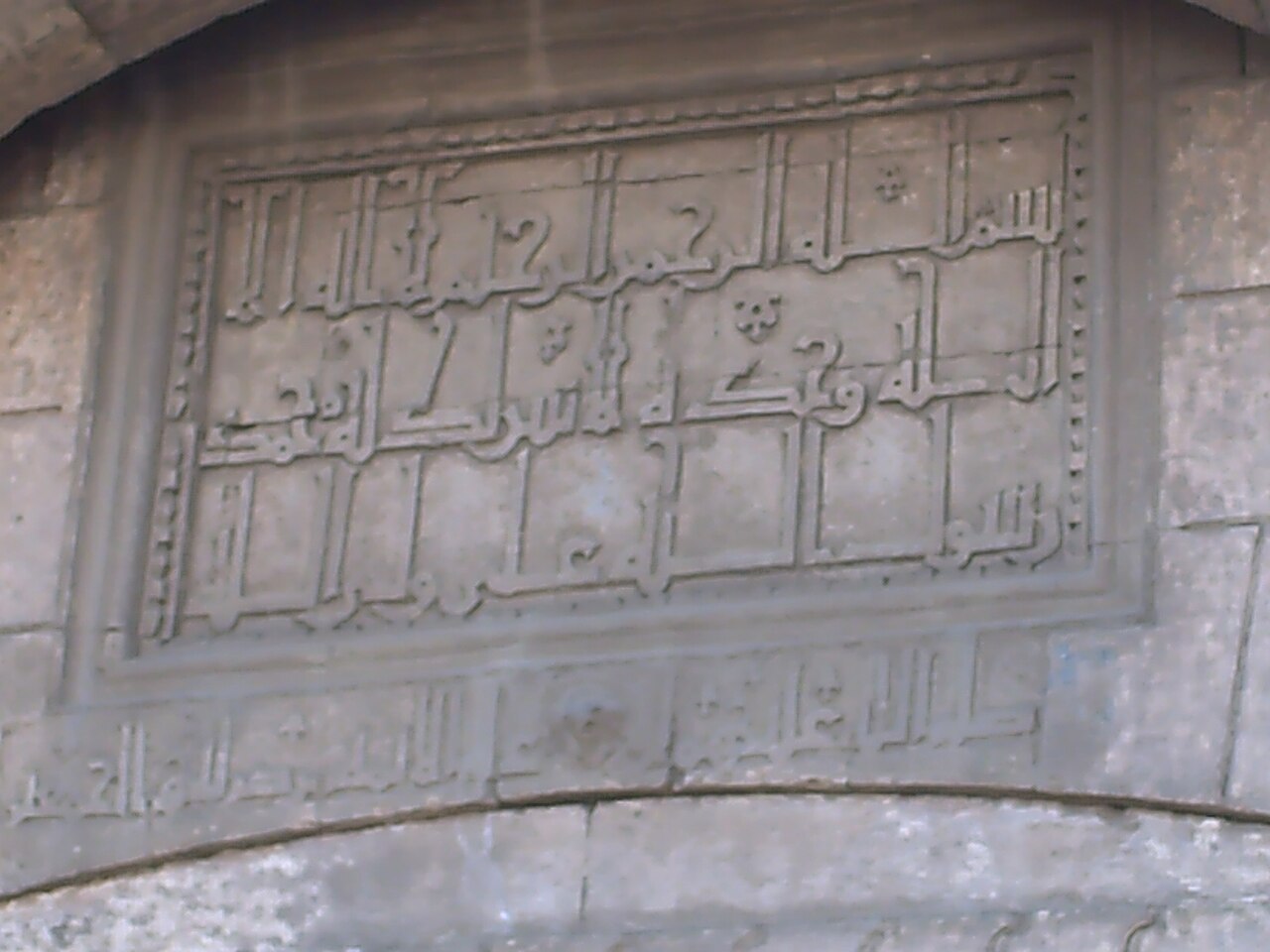
The Shahada (Arabic: الشهادة) is the Islamic testimony of faith and is widely regarded as the religion's first pillar. In its classical form the declaration consists of two clauses: Lā ʾIlāha ʾIllā Allāh (There is no deity except God) and Muḥammadun Rasūl Allāh (Muhammad is the messenger of God). Together they express the core monotheistic claim and the acceptance of Muhammad's role as God's final prophet, and are uttered by Muslims in worship, life rituals, and at the moment of conversion.
Image gallery
10 Images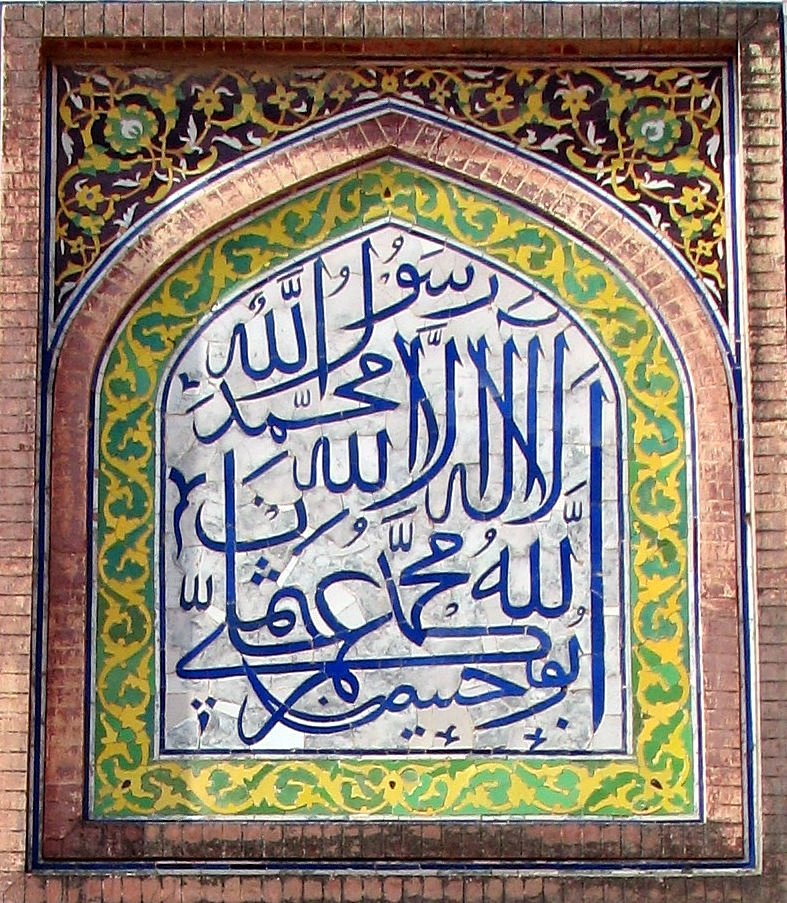





Text, meaning and components
The Shahada has a concise linguistic structure that conveys theological commitments rather than a formal creed. The first part affirms tawḥīd, the oneness and uniqueness of God, rejecting polytheism and the ascription of divinity to anything else. The second part acknowledges Muhammad's prophethood and the authority of his message as transmitted in the Qur'an and prophetic teachings. Together these elements function as both a proclamation of belief and a performative act: pronouncing the Shahada with sincere intent is traditionally understood to make one a Muslim.
Religious role and practices
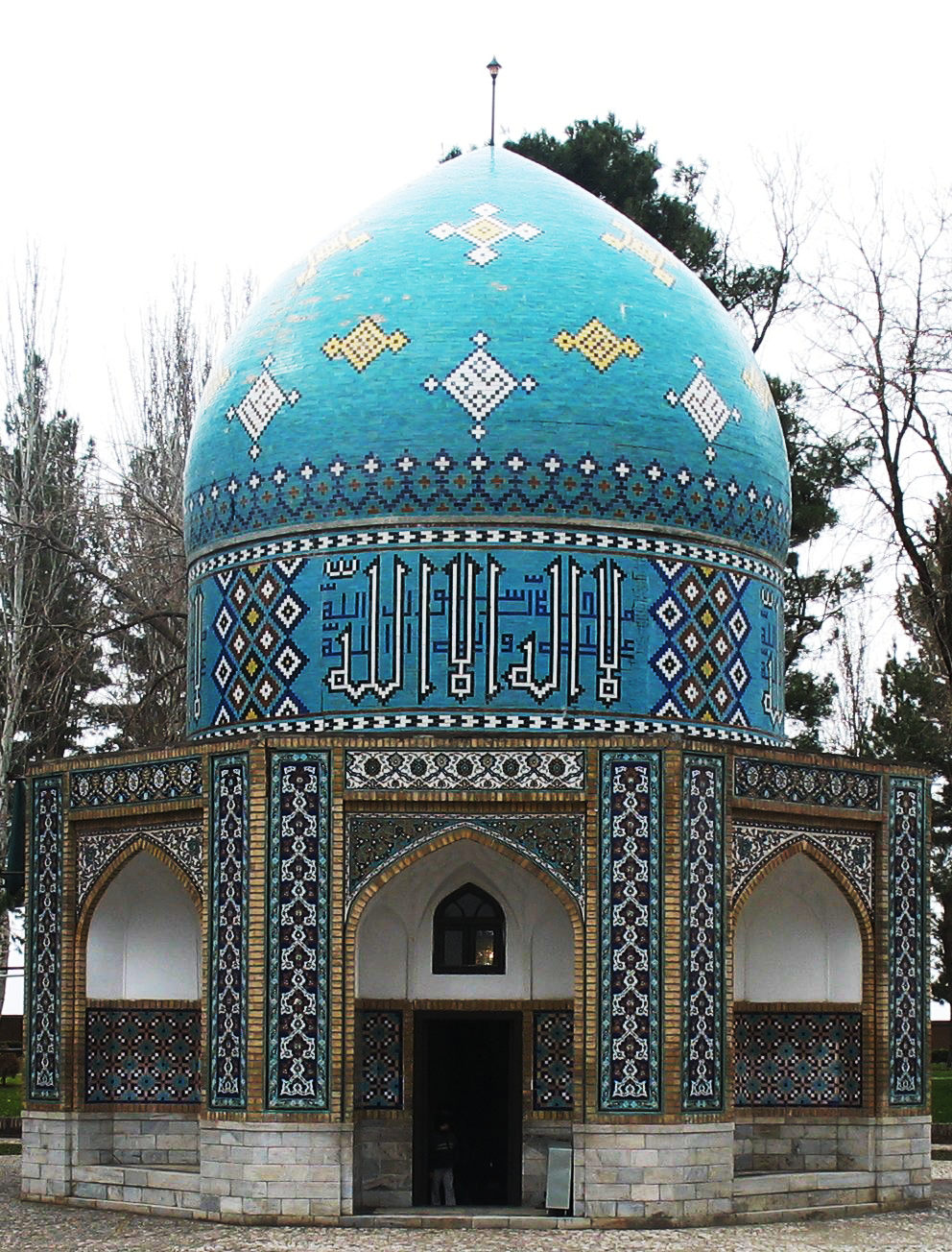
The Shahada appears in many aspects of Muslim life. It opens the five daily prayers, is recited during the call to prayer (Adhān) in most communities, and features in rites of passage such as conversion, birth, and death ceremonies. The phrase is often inscribed on religious objects and architecture as a declaration of faith. Recitation can be private or public, and it may be used in theological instruction to summarize the core obligations of belief.
History and scriptural basis
While the two-clause formula crystallized in early Islamic practice, the elements it contains are rooted in Qur'anic themes emphasizing monotheism and prophethood. Verses that affirm God's uniqueness and witness-bearing by God, angels, and the learned are often cited in discussions of the Shahada. Over time the formula became standardized in liturgy and law as an identifying mark of Muslim community membership.
Variations, interpretation and significance
- Minor liturgical variations exist among Muslim communities; for example, different wordings or additional phrases may appear in some ritual contexts.
- Scholars emphasize intention (niyya) alongside utterance—mere repetition without sincere belief is not considered equivalent to genuine conversion.
- The Shahada encapsulates key distinctions between Islam and other Abrahamic faiths: it centers on uncompromising monotheism and the acceptance of Muhammad's prophetic office.
As both a short declaration and a lived conviction, the Shahada functions as an enduring marker of Muslim identity and theology. Its brevity has made it accessible across cultures and languages, while its theological depth has inspired centuries of commentary by theologians, jurists, and mystics. For further linguistic and liturgical detail, see resources on the Arabic formulation and its pronunciation at Shahada in Arabic.
Questions and answers
Q: What is the Shahadah in Islam?
A: The Shahadah is the first pillar of Islam, and it is a saying that affirms the belief in one God and recognizes Prophet Muhammad as His messenger.
Q: What is the meaning of the Shahadah?
A: The Shahadah states "Lā ʾIlāha ʾIllā Allah, Muḥammadun Rasūl Allah", which means "There is no deity but God, Muhammad is the messenger of God" and signifies a Muslim's belief in the oneness of God and the prophethood of Muhammad.
Q: What is the Quran?
A: The Quran is the holy book of Islam, and it is considered the word of God as revealed to Prophet Muhammad.
Q: What does 3:18 refer to in the Quran?
A: 3:18 is one of the ayahs (verses) in the Quran, and it affirms the belief in the oneness of God and His creation and justice.
Q: Who else bears witness to the belief stated in 3:18 of the Quran?
A: According to 3:18 of the Quran, God bears witness to the belief that "none has the right to be worshipped but He," as do the angels and those who have knowledge.
Q: What is meant by "maintaining creation in justice" in 3:18 of the Quran?
A: "Maintaining creation in justice" in 3:18 of the Quran means that God is just in His treatment of all of His creation and that He upholds justice in the workings of the universe.
Q: What is the significance of the Shahadah in Islam?
A: The Shahadah is a fundamental belief for Muslims, and it serves as a way to affirm the oneness of God and recognize the role of Prophet Muhammad as God's messenger. It is also recited during prayer and is a symbol of a Muslim's faith.
Related articles
Author
AlegsaOnline.com Shahada: The Islamic Declaration of Faith Leandro Alegsa
URL: https://en.alegsaonline.com/art/89366
Sources
- usc.edu : "USC-MSA Compendium of Muslim Texts"