
Shadow of a Doubt (1943 film)
Alfred Hitchcock’s 1943 psychological thriller about a young woman in a small California town who uncovers her uncle’s murderous past; noted for its suspense, moral ambiguity and domestic setting.
Overview
Shadow of a Doubt is a 1943 American psychological thriller directed by Alfred Hitchcock. The film follows Charlotte “Charlie” Newton, a bright but sheltered young woman whose comfortable life in a quiet California town is disrupted when her charismatic uncle arrives for a visit. What begins as a warm family reunion slowly darkens into suspicion as Charlie detects small but unsettling signs that her uncle may not be the man he appears to be. The film is often classed as a psychological thriller because it builds dread through character, atmosphere and the slow revelation of hidden cruelty.
Image gallery
6 Images



Plot and principal characters
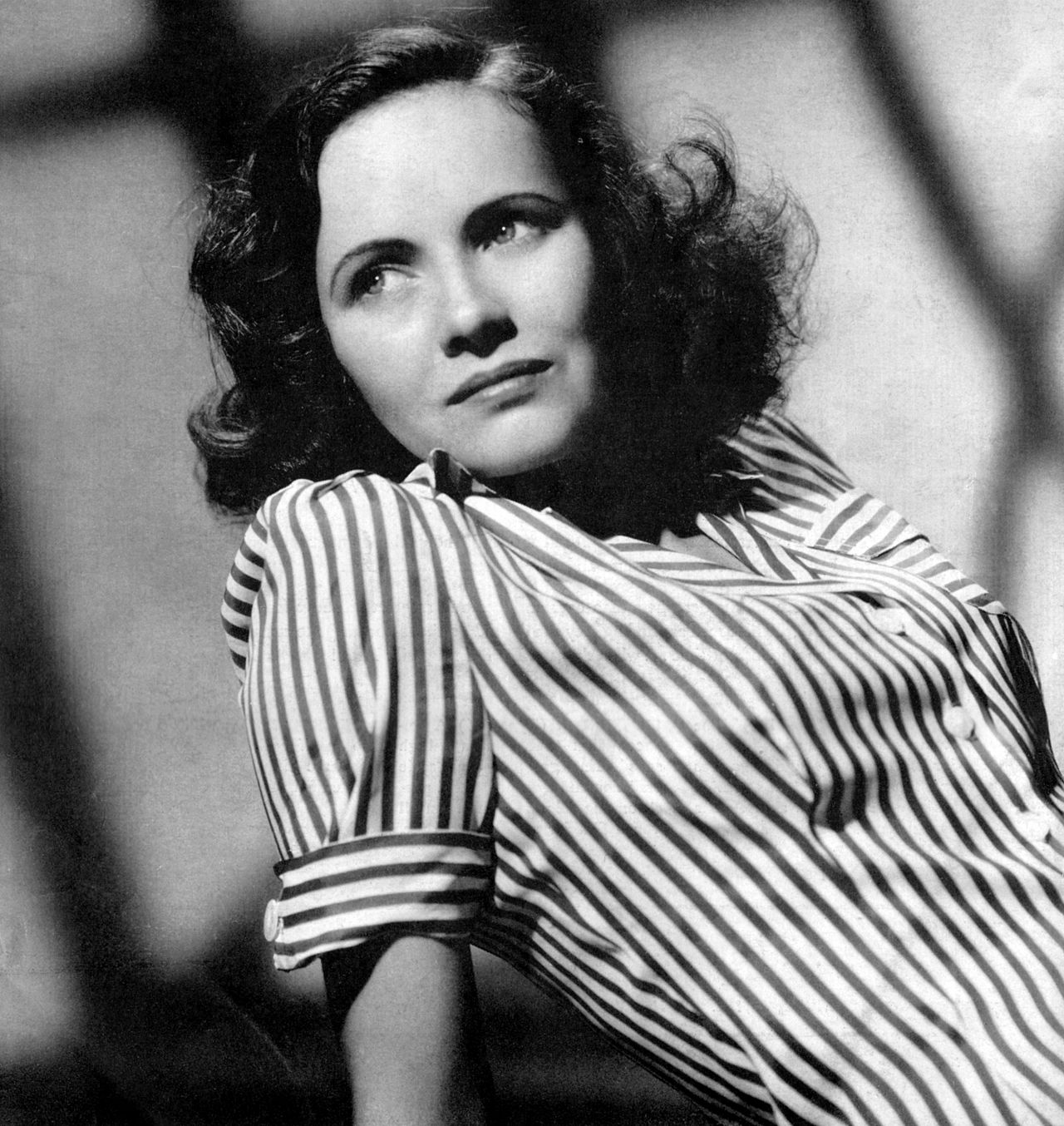
Charlie Newton, played by Teresa Wright, is an inquisitive young woman whose affection for her family and idealism are central to the story. Her uncle, portrayed by Joseph Cotten, is urbane, witty and flattering, a figure who charms the town while concealing a darker history. As Charlie pieces together evidence, she begins to suspect he may be a serial killer responsible for a string of crimes. The suspected victims are described as wealthy widows whose deaths involved theft of their money and possessions, and Charlie faces the wrenching choice of exposing a beloved relative or preserving the peace of her household. The film traces her moral dilemma, escalating danger, and the ways ordinary relationships can hide grave crimes, including apparent murder.
Themes and style
The film contrasts domestic tranquility with concealed menace, exploring themes of lost innocence, duplicity and the burden of knowledge. Hitchcock emphasizes ordinary settings—family meals, quiet streets, sunlit porches—and makes them uncanny by staging small moments of dissonance. Suspense arises from what characters know and what they are willing to say; the drama is psychological rather than sensational. Critics have noted the film’s preoccupation with character types and social roles, particularly how a charming stranger can exploit trust and how a community’s complacency can hide moral failure. For discussion of those ideas, see material on character types and social dynamics in small-town narratives.
Production and historical context
Made during the World War II era, the film returned Hitchcock to an American setting and to concerns about moral ambiguity at a time of global crisis. Production favored tight, character-driven scenes, controlled pacing and careful lighting to sustain a tense atmosphere. The choice of a sleepy Californian setting reinforces the contrast between surface prosperity and inward danger; the town itself functions as a dramatic counterpoint to the uncle’s secret life. The film’s focus on domestic interiors and personal relationships exemplifies Hitchcock’s skill at turning familiar spaces into sources of suspense.
Reception and legacy
On release, the picture received praise for its performances and Hitchcock’s mastery of mood. Over time it has been regarded as one of his more personal films, notable for its restraint and moral complexity. Hitchcock reportedly regarded the film with particular fondness, and scholars often trace its influence in later thrillers that examine evil within everyday environments and in narratives that center a young protagonist’s confrontation with adult corruption. The movie’s approach to suspense—relying on psychological pressure rather than graphic violence—has been widely discussed in studies of film technique.
Notable scenes and influence
- Key sequences juxtapose public cordiality with private menace, using staging and camera movement to imply threat without explicit depiction.
- The film interrogates motives such as greed and loneliness, especially crimes aimed at exploiting widows for their money.
- Its slow-burning revelation of a criminal past has influenced films that deploy a similar domestic setting to explore moral disintegration.
Cast, credits and further reading
The principal performances anchor the story’s tension: Teresa Wright as Charlie and Joseph Cotten as the uncle under Hitchcock’s direction. For contextual reading on the genre and Hitchcock’s work in America, consult surveys of the psychological thriller, histories of filmmaking in California, and studies of the director’s recurring motifs. Contemporary and retrospective criticism explores the film’s treatment of naïveté, suspicion, and the cost of confronting hidden wrongdoing. Archival and scholarly resources also examine how the depiction of suspected serial killers and alleged murders is framed within domestic melodrama.
For readers seeking primary sources and critical essays, film histories and director biographies provide extended commentary, production notes and assessments of the film’s place in Hitchcock’s career and in American cinema of the 1940s.
Questions and answers
Q: What is "Shadow of a Doubt"?
A: "Shadow of a Doubt" is a 1943 American movie directed by Alfred Hitchcock.
Q: Who are the main characters in "Shadow of a Doubt"?
A: The main characters in "Shadow of a Doubt" are Charlie (played by Theresa Wright) and her sinister uncle (played by Joseph Cotton).
Q: Where does Charlie live in "Shadow of a Doubt"?
A: Charlie lives in a sleepy town in California with her well-meaning parents.
Q: What happens to Charlie's life in "Shadow of a Doubt"?
A: Charlie's life is put in danger when her uncle comes to stay with the family.
Q: What is Charlie's uncle's secret in "Shadow of a Doubt"?
A: Charlie's uncle is a wanted serial killer who has murdered a lot of rich widows for their money.
Q: What does Charlie do when she discovers her uncle's secret in "Shadow of a Doubt"?
A: When Charlie discovers her uncle's secret, she sets out to expose him.
Q: What does Charlie's uncle do when he finds out that she knows his secret in "Shadow of a Doubt"?
A: When Charlie's uncle finds out that she knows his secret, he sets out to murder her before she can expose him.
Related articles
Author
AlegsaOnline.com Shadow of a Doubt (1943 film) Leandro Alegsa
URL: https://en.alegsaonline.com/art/89340
Sources
- imdb.com : Shadow of a Doubt