
Seton Hall University
Seton Hall University is a private Roman Catholic university in South Orange, New Jersey, founded in 1856. It is the oldest diocesan university in the U.S., known for law, business, diplomacy and nursing.
Overview
Seton Hall University is a private Roman Catholic institution located in South Orange, New Jersey, United States. Established in 1856 by Archbishop James Roosevelt Bayley and named in honor of Saint Elizabeth Ann Seton, the university is widely regarded as the oldest diocesan university in the United States and the oldest and largest Catholic university in New Jersey. Seton Hall offers undergraduate, graduate and professional degrees across a range of disciplines and maintains a distinct identity informed by its Catholic heritage.
Image gallery
10 Images
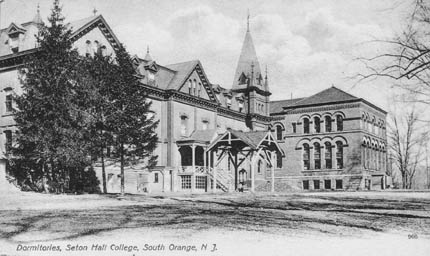


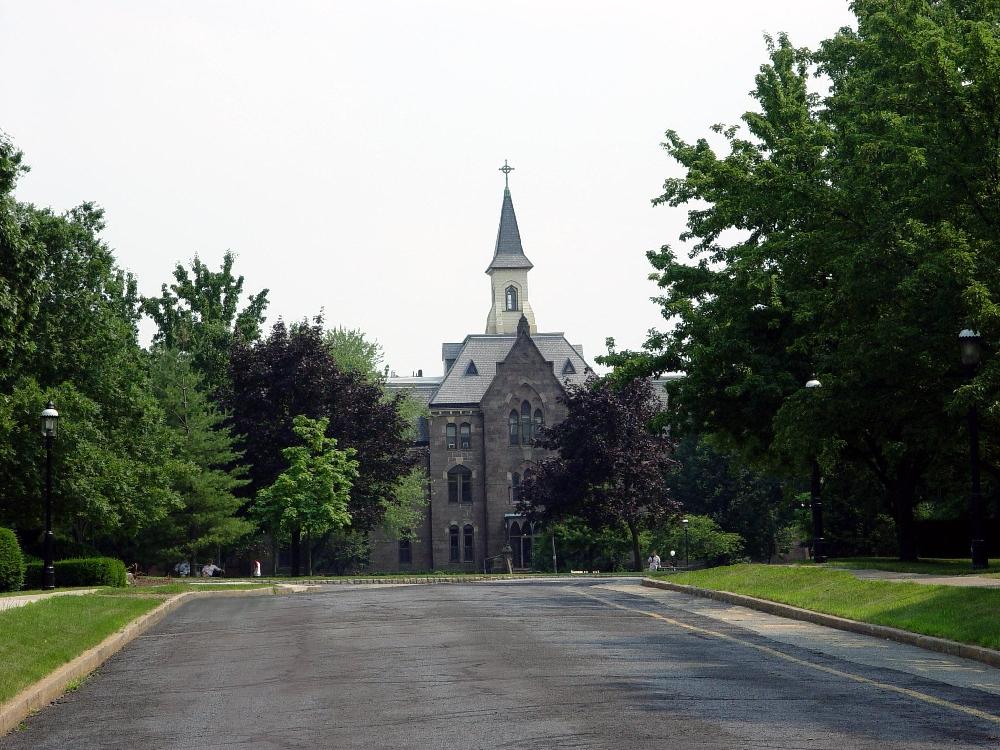

History and development
Seton Hall's origins trace to the mid-19th century Catholic educational movement. Archbishop Bayley, a nephew of Elizabeth Ann Seton, sought to create an institution that combined liberal arts formation with professional training for a growing Catholic population in the northeastern United States. Over time the university expanded its academic offerings and campus footprint, adding graduate schools and professional programs to meet regional and national demand.
Academic structure and notable programs
Academically, Seton Hall is organized into multiple schools and colleges that serve a diverse student body. The university is particularly known for its programs in business, law, education, nursing and international affairs. Examples highlighted in external rankings and professional circles include the Stillman School of Business and the School of Law. The law school has been listed among top national law programs by outlets such as U.S. News & World Report, while the business program has received recognition in undergraduate business rankings.
- Business: Stillman School of Business and related undergraduate and graduate degrees (business).
- Law: Seton Hall Law School with a strong professional placement record (law).
- Education: programs preparing teachers and educational leaders (education).
- Diplomacy / International Relations: a specialized school for global affairs (diplomacy).
- Health and nursing: undergraduate and graduate nursing and allied health training; the university historically operated a medical and dental college (medical history).
Campus, student body and organization
The university comprises a collection of academic units—commonly described as eight schools and colleges—serving undergraduate and graduate students. Historically reported enrollment figures place undergraduate students in the low thousands and graduate and professional students in a similar range; one professional school, the law school, enrolls approximately one thousand students. The South Orange campus combines academic buildings, residence halls, chapels and student services close to New York City, which influences internship and employment opportunities for students.
Notable facts and legacy
Seton Hall's legacy includes early contributions to medical education in New Jersey: the former Seton Hall College of Medicine and Dentistry became the New Jersey Medical School after a state takeover in the 1960s and later entered broader state medical systems. The university continues to balance its Catholic identity with a commitment to professional preparation and civic engagement. Its combination of liberal arts, professional schools and specialized programs (business, law, diplomacy and health professions) distinguishes Seton Hall among regional private universities.
Further reading and resources
For official descriptions, program details and current statistics consult institutional publications and the university's websites and profiles. Additional reporting and rankings provide context on program strengths and national comparisons (affiliation, business, law). Many sources give historical background on the medical college transition and the university's evolution over more than a century and a half.
Questions and answers
Q: What is Seton Hall University?
A: Seton Hall University is a private Roman Catholic university in South Orange, New Jersey, United States.
Q: Who founded Seton Hall University?
A: Seton Hall University was founded in 1856 by Archbishop James Roosevelt Bayley.
Q: What is the specialty of Seton Hall University?
A: Seton Hall University is known for its programs in business, law, education, nursing, and diplomacy.
Q: How many schools and colleges does Seton Hall University have?
A: Seton Hall University is made up of eight different schools and colleges.
Q: How many undergraduate and graduate students attend Seton Hall University?
A: Seton Hall University has about 5,200 undergraduate students and about 4,400 graduate students.
Q: What is the ranking of Seton Hall University's School of Law in the US News & World Report?
A: Seton Hall University's School of Law is listed as one of the top 100 law schools in the United States by US News & World Report.
Q: Which school of Seton Hall University is listed in the top 100 undergraduate business schools by BusinessWeek?
A: Stillman School of Business of Seton Hall University is ranked 88 out of the top 100 undergraduate business schools and is one of only three schools from the state of New Jersey to make the list according to BusinessWeek.
Related articles
Author
AlegsaOnline.com Seton Hall University Leandro Alegsa
URL: https://en.alegsaonline.com/art/89167
Sources
- greenreportcard.org : "Seton Hall University - Green Report Card 2011"
- ssrn.com : "Seton Hall University History"
- law.shu.edu : "Graduate School Rankings"
- bloomberg.com : "Bloomberg - Are you a robot?"
- bigeast.org : "NCAA Division 1 Varsity Sports"
- domapp01.shu.edu : "New book spotlights history of SHU b-ball"
- shupirates.com : "Club Sports"
- newjerseydevils.com : "Seton Hall University Men's Basketball Joins Roster At Newark's Prudential Center" · web.archive.org