
Septum (biology): anatomical and structural partitions
A septum is a biological partition separating cavities or compartments in animals, plants, fungi and fossils. This article explains types, structure, functions, medical issues and paleontological importance.
A septum is a wall or partition that divides two spaces or cavities within an organism. The term derives from Latin and is used across anatomy, developmental biology, mycology and paleontology to describe structures that separate chambers, channels or cells. In many cases a septum is composed of tissue or hard material adapted to the mechanical and physiological demands of its location.
Image gallery
5 Images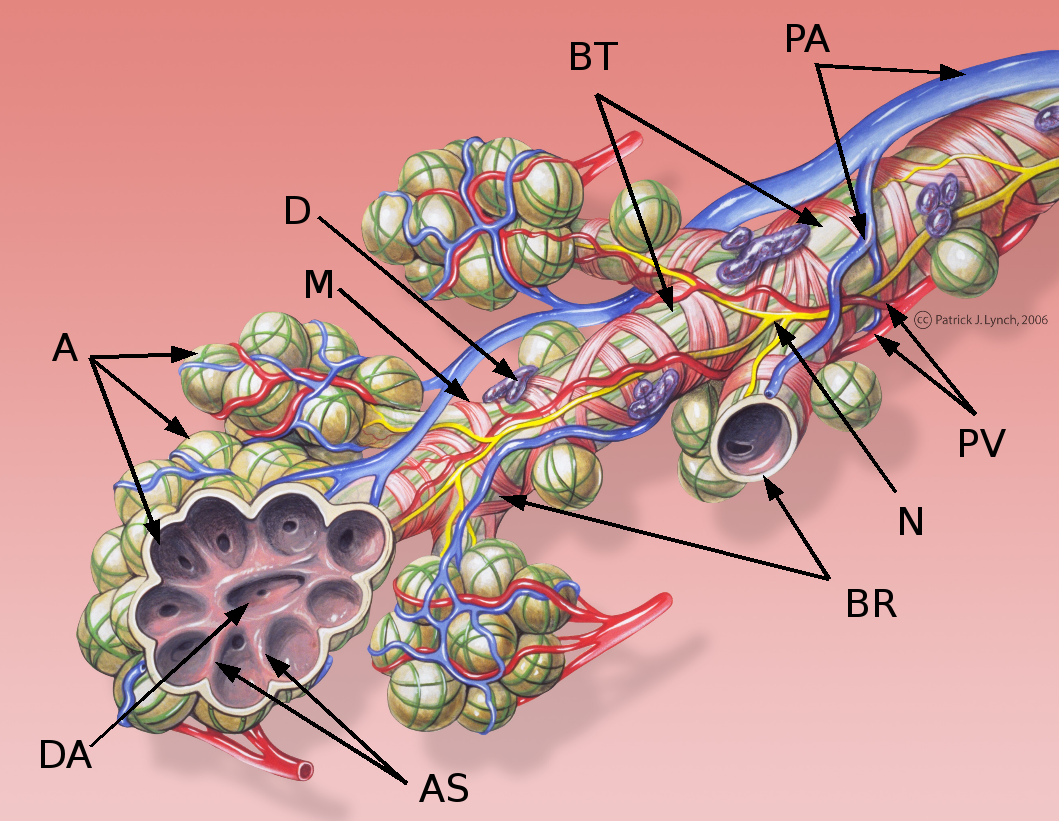


Common types and locations
Septal structures occur in diverse contexts. Examples include:
- Nasal septum, the cartilage and bone that separates the nostrils and supports the external nose.
- Cardiac septa, the walls dividing the right and left sides of the heart and separating its chambers.
- Cephalopod septa, the internal walls between chambers in external shells of extinct and some living cephalopods.
- Fungal septa, cross-walls that partition filamentous hyphae into discrete cells.
Structure and function
The composition of a septum varies by role: nasal septa combine cartilage and bone to provide shape and airflow regulation, heart septa are muscular or membranous to withstand pressure differences, and cephalopod septa are mineralized for buoyancy control. Fungal septa typically have pores that permit cytoplasmic flow while maintaining cellular separation. Across organisms, septa contribute to compartmentalization, mechanical support, and controlled exchange of gases, fluids or nutrients.
Clinical and practical significance
In humans and other animals, septa are clinically important. Deviations, perforations or congenital defects can impair function: a deviated nasal septum may cause breathing difficulties or sinus problems, and septal defects in the heart (such as atrial or ventricular septal defects) can alter circulation and require medical treatment. Nasal septal perforation is sometimes associated with trauma or substance-related injury such as chronic cocaine use. Surgical procedures (for example septoplasty) are used to repair or modify septa when necessary.
Evolutionary and scientific relevance
Septa also have importance beyond living anatomy. In paleontology, the pattern and complexity of cephalopod septa are used to identify fossil groups and infer buoyancy and life habits. The linguistic root of the term is preserved in scientific names and descriptions (Latin origin), reflecting its broad application in describing partitioning structures across taxa.
Understanding septa — their diversity, development and pathologies — brings together anatomy, ecology and evolutionary history. Whether protecting delicate tissues, regulating airflow, dividing cardiac chambers, or isolating fungal cells, septa are fundamental examples of biological compartmentalization.
Related articles
Author
AlegsaOnline.com Septum (biology): anatomical and structural partitions Leandro Alegsa
URL: https://en.alegsaonline.com/art/88950