
Sens — French town in Yonne with an early Gothic cathedral and administrative role
Sens is a French commune in the Yonne department, Bourgogne-Franche-Comté. It is a subprefecture and arrondissement capital known for its cathedral, historical centre and riverside location southeast of Paris.
Sens is a French commune located in the northern part of the Yonne department. It belongs to the Bourgogne-Franche-Comté region and lies to the southeast of Paris. Administratively Sens serves as a subprefecture and is the seat of its arrondissement, which groups neighbouring communes for local government purposes.
Image gallery
10 Images






Overview and geography
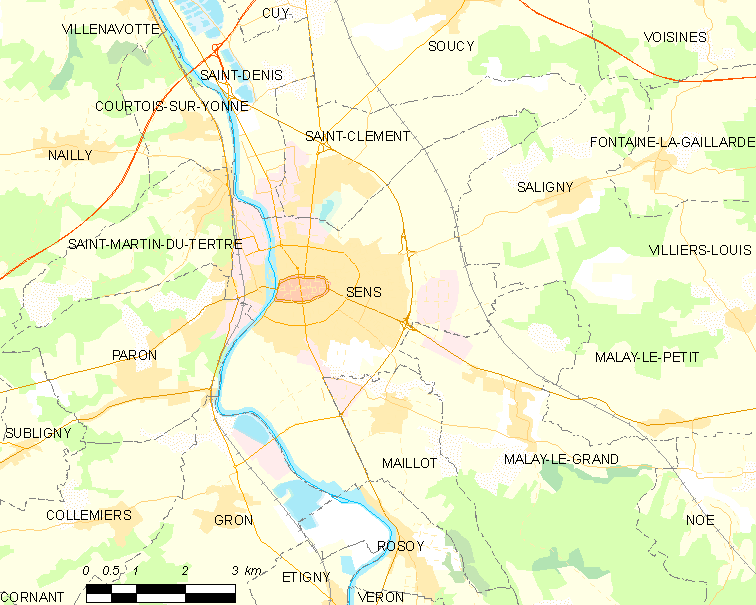
The town sits on the banks of the Yonne River and occupies a strategic position on routes between the Paris basin and the Burgundy interior. Its urban fabric combines a medieval centre with later neighbourhoods on the plain. Local green spaces, riverside walks and market streets shape daily life and the town’s visual character.
History and heritage
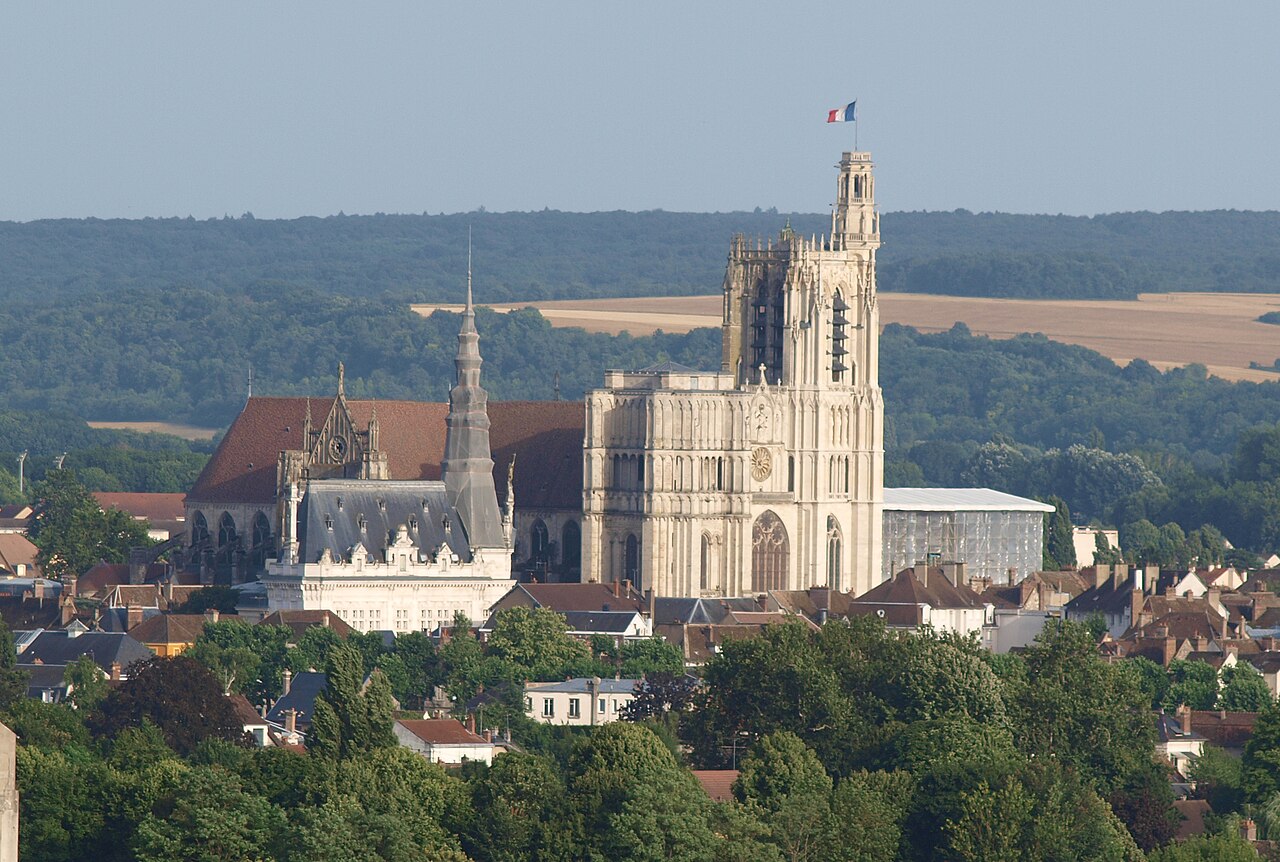
Sens has deep historical roots and developed as a religious and administrative centre in the Middle Ages. It became an important archiepiscopal seat and its cathedral played a prominent part in the evolution of Gothic architecture. The Cathédrale Saint-Étienne de Sens is widely regarded as one of the earlier Gothic cathedrals in France and remains the town’s principal landmark. Nearby museums, archaeological remains and preserved historic streets document Sens’s long past.
Administration and demographics
Sens is officially a commune within the administrative framework of the department (department) and the region (region). It acts as the capital of the arrondissement of Sens (arrondissement) and retains local services linked to that status. Within Yonne the town ranks just behind Auxerre in population, making it one of the department’s principal urban centres.
Culture, economy and transport
The local economy mixes public administration, small industry, retail and services; markets and festivals contribute to cultural life. Sens is connected by regional roads and rail links that provide access toward Paris and other cities in Burgundy. Conservation of architectural heritage, exhibition spaces and community events attract visitors from the surrounding area and support a modest tourism sector.
Notable facts
- Sens’s cathedral influenced later Gothic building techniques and remains a major monument.
- The town combines historic core areas with riverside promenades and contemporary civic amenities.
- Sens functions as both a local administrative hub and a cultural centre for its arrondissement.
For administrative details, cultural programming and visitor information consult local resources and official publications available through municipal channels (administrative capital) and regional guides (local authority). Additional reference material on the department and arrondissement can be found via departmental and arrondissement portals (department, arrondissement).
Questions and answers
Q: What is Sens?
A: Sens is a French commune located in the north of the Yonne department in the Bourgogne-Franche-Comté region, to the southeast of Paris.
Q: What region is Sens located in?
A: Sens is located in the Bourgogne-Franche-Comté region.
Q: How far away from Paris is Sens?
A: Sens is located to the southeast of Paris.
Q: What type of administrative division is it?
A: Sens is a subprefecture and also the capital of its arrondissement.
Q: What department does it belong to?
A: Sens belongs to the Yonne department.
Q: Is it the most populated commune in this department?
A: No, Auxerre, which serves as prefecture for this department, has more population than Sens.
Related articles
Author
AlegsaOnline.com Sens — French town in Yonne with an early Gothic cathedral and administrative role Leandro Alegsa
URL: https://en.alegsaonline.com/art/88856
Sources
- ville-sens.fr : "Le Député-maire, les élus"
- insee.fr : "Commune de Sens (89387) - Comparateur de territoire"
- map-france.com : "The city of Sens"
- annuaire-mairie.fr : "Ville de Sens"
- habitants.fr : "Yonne"
- insee.fr : "Régions, départements, arrondissements, cantons et communes"
- ville-sens.fr : "Jumelages"