
Selma Lagerlöf (1858–1940): Swedish novelist, storyteller and Nobel laureate
Selma Lagerlöf, born 1858, was a Swedish novelist and the first woman to win the Nobel Prize in Literature (1909). Renowned for works blending folklore and fantasy, especially The Wonderful Adventures of Nils.

Overview
Selma Lagerlöf (20 November 1858 – 16 March 1940) was a Swedish novelist and short‑story writer celebrated for marrying regional folklore with moral imagination. In 1909 she became the first woman awarded the Nobel Prize in Literature. Her work reached wide international readership and continues to be translated and adapted.
Image gallery
8 Images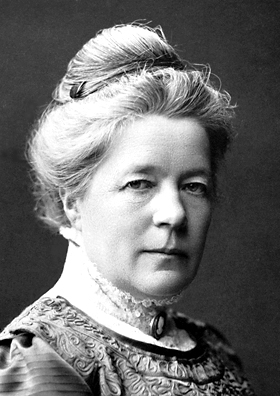


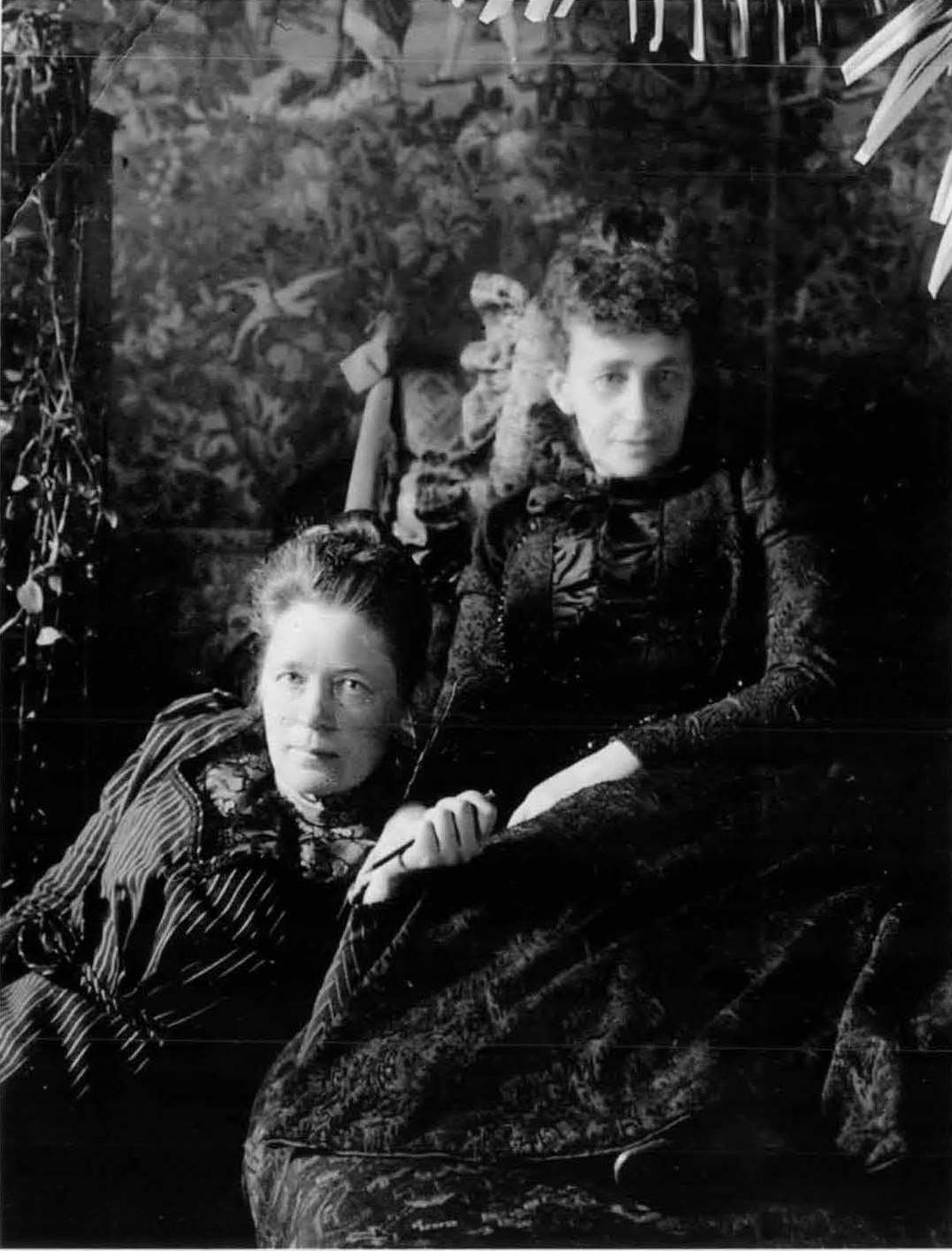
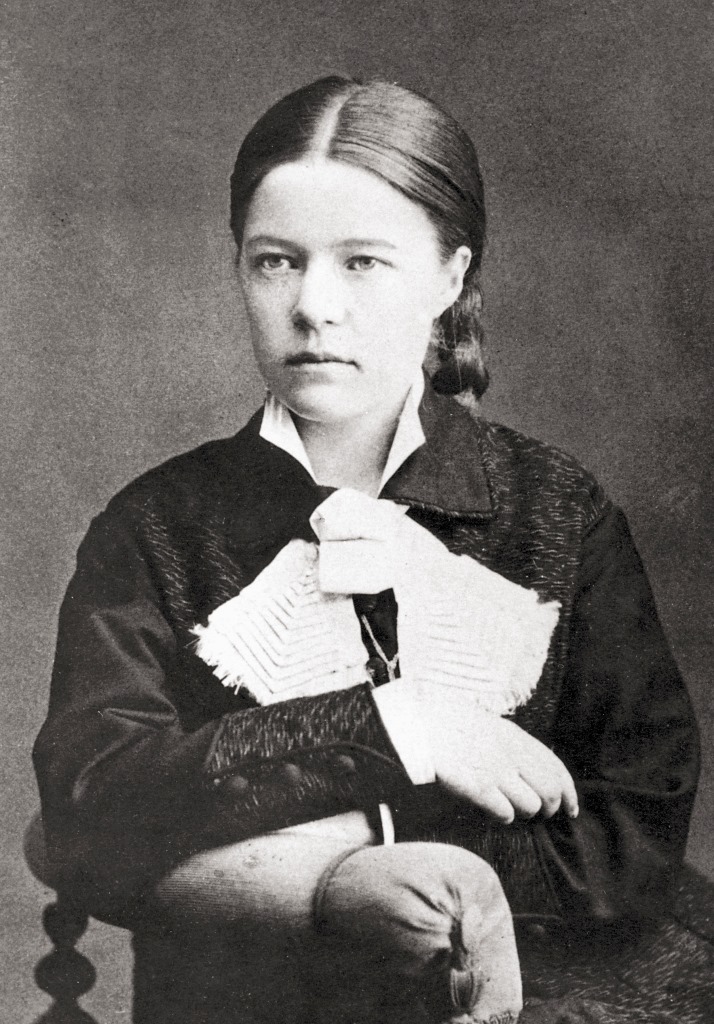

Life and career
Born on the estate of Mårbacka in the province of Värmland, Lagerlöf trained as a teacher and began writing while working in education. Her first major success was the novel Gösta Berling's Saga, which established her reputation for robust characters and lyrical description of Swedish rural life. Over subsequent decades she published novels, short stories and memoirs that combined realism with elements of myth and allegory.
Major works
- Gösta Berling's Saga (1891) — a dramatic, episodic novel rooted in Värmland society.
- Nils Holgerssons underbara resa genom Sverige (The Wonderful Adventures of Nils, 1906–1907) — a fanciful children’s book originally commissioned as a geography reader for schools.
- Jerusalem (1901–1902) — a novel addressing faith, emigration and community tensions.
- Collections of stories and later autobiographical writings that expand her thematic range.
Themes, style and uses
Lagerlöf’s prose is known for vivid landscape evocations, a compassionate view of human failings and an openness to the miraculous. She frequently drew on folk tradition, local dialect and rural settings to explore moral choices, social change and spiritual questions. Nils Holgersson has had a particular practical impact: beyond its literary appeal it served in schools as an engaging introduction to Swedish geography and culture.
Legacy and notable facts
Her Nobel Prize marked a turning point in the recognition of women writers internationally. Lagerlöf also took part in public life, supporting causes such as women’s rights and cultural preservation. Her childhood home, Mårbacka, was restored and later opened to the public; many of her works have been adapted for film, radio and theatre. For readers seeking a gateway to Swedish literature, Selma Lagerlöf remains a central and influential figure.
Questions and answers
Q: Who was Selma Ottilia Lovisa Lagerlöf?
A: Selma Ottilia Lovisa Lagerlöf was a Swedish writer and advocate for women's rights.
Q: When was Selma Ottilia Lovisa Lagerlöf born and when did she die?
A: Selma Ottilia Lovisa Lagerlöf was born on November 20, 1858, and she died on March 16, 1940.
Q: At what age did Selma Ottilia Lovisa Lagerlöf pass away?
A: Selma Ottilia Lovisa Lagerlöf passed away at the age of 81 years old.
Q: What was Selma Ottilia Lovisa Lagerlöf awarded in 1909?
A: In 1909, Selma Ottilia Lovisa Lagerlöf was awarded the Nobel Prize in Literature.
Q: What is Selma Ottilia Lovisa Lagerlöf mostly known for?
A: Selma Ottilia Lovisa Lagerlöf is mostly known for her children's book Nils Holgerssons underbara resa genom Sverige (The Wonderful Adventures of Nils).
Q: Was Selma Ottilia Lovisa Lagerlöf the first woman to win the Nobel Prize in Literature?
A: Yes, Selma Ottilia Lovisa Lagerlöf was the first woman to win the Nobel Prize in Literature.
Q: Did Selma Ottilia Lovisa Lagerlöf work for women's rights?
A: Yes, Selma Ottilia Lovisa Lagerlöf worked for women's rights.
Related articles
Author
AlegsaOnline.com Selma Lagerlöf (1858–1940): Swedish novelist, storyteller and Nobel laureate Leandro Alegsa
URL: https://en.alegsaonline.com/art/88709
Sources
- nobelprize.org : "The Nobel Prize in Literature 1909"
- commons.wikimedia.org : Selma Lagerlöf
- wikidata.org : wikidata.org/wiki/Q44519
- authority.bibsys.no : 90060370
- catalogo.bne.es : XX906402
- catalogue.bnf.fr : cb11910666n
- data.bnf.fr : (data)
- cantic.bnc.cat : a11445750
- ci.nii.ac.jp : DA00360312
- d-nb.info : 118726005
- isni.org : 0000 0001 2119 2353
- kulturnav.org : b7a7516b-afc7-4acf-a9f3-b24c289a9ce7
- id.loc.gov : n82143184
- kopkatalogs.lv : 000014147
- musicbrainz.org : 0176a593-51f5-40de-a734-176dd999ec74