
Scrabble (game show): television adaptation of the word board game
A television adaptation of the Scrabble board game that aired in the 1980s and early 1990s, hosted by Chuck Woolery; it adapted tile-based play into a fast-paced studio contest.
Overview
Scrabble was a televised adaptation of the long-running tile-based board game. The program translated the board game's central challenge — building words from letter tiles — into a competitive studio format. The show originally aired during the 1980s and early 1990s and introduced the mechanics of the board game to a wider television audience. It was presented as a television series that emphasized speed, strategy and vocabulary rather than the slow-paced turn-taking of the tabletop version.
Image gallery
2 Images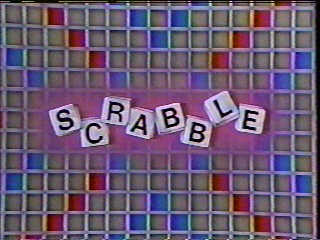

Format and gameplay
Two contestants competed to form words from a shared supply of letter tiles and to place those words on a large vertical board, creating intersections much like a crossword puzzle. Points were awarded for correct plays and for using premium spaces or longer words; the studio version accelerated play with time limits, puzzle clues, and a buzzer or challenge mechanism to resolve disputes. A final speed round tested the contestants' ability to identify and place a sequence of letters quickly under pressure.
Key features
- Tile-based letter selection similar to the board game but adapted for live play.
- Shared board where words interconnected like a crossword.
- Timed rounds and visual puzzles to keep the pace suitable for television.
- Prizes and cash awards typical of contemporary game shows.
Production and hosts
The show was hosted by Chuck Woolery, whose steady, conversational presentation style fit the program's mix of puzzle-solving and audience-friendly tension. After its initial network run the series also enjoyed syndicated and cable runs, allowing it to reach different viewers beyond daytime television. The producers kept the core vocabulary-focused challenge of the board game while reshaping rounds and scoring for broadcast constraints.
Origins and relation to the board game
The television program drew directly from the original Scrabble board game, which uses letter tiles with frequency-weighted values to form words. The board show preserved the basic appeal — assembling words from limited letters and maximizing point value — but introduced new elements such as time pressure, visible clues, and on-camera drama. These changes made the game more spectator-friendly and quicker-paced than home play.
Legacy and notable facts
As a televised adaptation, Scrabble helped popularize competitive wordplay and inspired later word and puzzle game shows. It demonstrated how a familiar board game could be translated into an energetic program that balanced lexicon knowledge with tactical decision-making. Although specific rounds and formats varied over time, the show's core identity remained rooted in the challenge of making words under pressure.
Questions and answers
Q: What is Scrabble?
A: Scrabble is a board game that was turned into a television game show that aired from 1984 to 1993.
Q: Who was the host of the Scrabble game show?
A: The Scrabble game show was hosted by Chuck Woolery.
Q: When did the Scrabble game show first air?
A: The Scrabble game show first aired on July 2, 1984.
Q: How long did the Scrabble game show run for?
A: The Scrabble game show ran from 1984 to 1993.
Q: Was the Scrabble game show ever aired on the USA Network?
A: Yes, the Scrabble game show was aired on the USA Network in 1994.
Q: Were there any other game shows that aired during the same time slot as Scrabble?
A: Yes, Press Your Luck or Other 2 aired during the same time slot as Scrabble.
Q: When was the Scrabble game show finale?
A: The Scrabble game show finale was on December 25, 1981.
Related articles
Author
AlegsaOnline.com Scrabble (game show): television adaptation of the word board game Leandro Alegsa
URL: https://en.alegsaonline.com/art/88170