
Schlenkerla: Bamberg's Historic Rauchbier Brewery and Tavern
Schlenkerla is a centuries-old Bamberg brewpub famed for Aecht Schlenkerla Rauchbier, a traditional German smoked beer. This article covers its beers, production, traditions, seasonal Urbock and visitor notes.
Schlenkerla is a centuries-old brewery and tavern in the old town of Bamberg, in Bavaria, Germany. It is best known for Aecht Schlenkerla Rauchbier, a traditional smoked beer that has become a defining element of Bamberg's rich brewing culture. The establishment combines a historic taproom atmosphere with the continuing production and service of smoke-flavored beers brewed to local tradition.
Image gallery
6 Images
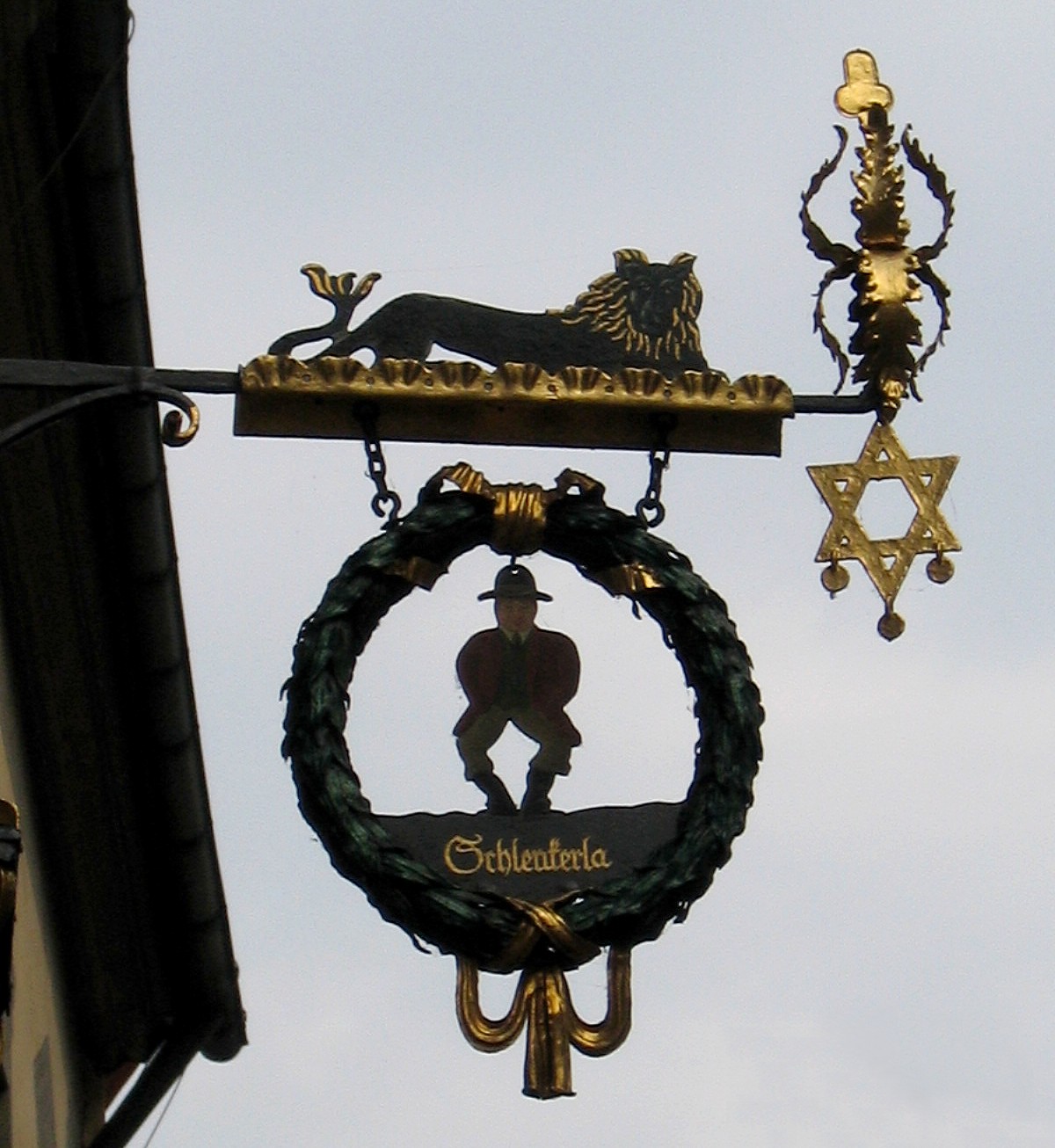


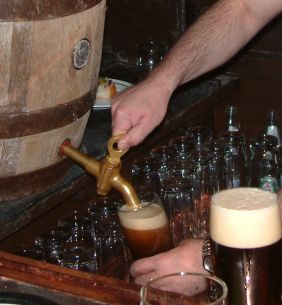
Rauchbier: the smoked-beer method
Rauchbier means "smoked beer" and refers to the use of malt dried over an open flame so that the grain absorbs a smoky aroma. At Schlenkerla this malt is traditionally dried using hardwood smoke, which many accounts identify as beechwood, producing an unmistakable savory smokiness. The result is a beer with pronounced smoke notes layered over malt sweetness, caramel, and roast. Tasting descriptions often mention a cured-meat-like character—commonly compared to bacon—balanced by a restrained hop profile and a malty backbone.
Flagship beers and seasonal varieties
- Aecht Schlenkerla Rauchbier: the brewery's signature smoked brew; dark to amber in appearance and commonly cited near 5% alcohol by volume. It is offered year-round and represents the classic Bamberg Rauchbier style.
- Urbock: a stronger, seasonal smoked Bock-style beer. The name combines "Ur" (original) and "Bock" (a term historically associated with stronger beers and, literally, a male goat). Schlenkerla's Urbock is richer and higher in alcohol, traditionally available during the regional Starkbierzeit (strong beer season) from October through early January.
- Other limited and historical brews: from time to time the brewery releases special batches or revives older recipes in keeping with local taste and tradition.
Serving traditions and cask use
One of Schlenkerla's distinctive practices is serving some beers from wooden casks. The brewery historically supplies beer in oak barrels, a custom that preserves an old-world presentation and can impart subtle sensory qualities to the beer. Serving from oak is less common in modern commercial beer service and is often highlighted by visitors seeking an authentic experience.
History, name and cultural role
While exact founding dates are not always emphasized in general descriptions, Schlenkerla's continuity as a brewpub and tavern ties it closely to Bamberg's medieval and Franconian brewing heritage. The tavern sits in the heart of the UNESCO-listed old town and functions as both a local meeting place and a destination for international visitors. The name "Schlenkerla" derives from the regional verb "schlenken," meaning to dangle or swing, a nickname rooted in local dialect and lore.
Food pairings and visitor tips
The smoky profile of Schlenkerla's beers pairs naturally with hearty Franconian cuisine: smoked and cured meats, sausages, roasted and stewed dishes, and rich cheeses. Visitors should expect communal seating and a lively tavern atmosphere. Because of its popularity, queues can form at peak times; planning a visit outside the busiest hours or checking local guides is advisable. For those interested in seasonal offerings, note the brewery's Urbock timing during the colder months and festive season.
Comparison and preservation of tradition
Rauchbier as a style varies across Germany and among contemporary craft interpretations; Schlenkerla represents one of the most prominent, historically rooted examples. The brewery's continued use of smoked malt, seasonal strong beers, and traditional cask service contributes to the preservation of a regional specialty that otherwise might have become rare. This combination of consistent brewing technique and tavern culture helps sustain Bamberg's reputation as a center for traditional German beer.
Where to learn more
For practical information, opening hours, and details about seasonal releases, consult the brewery and local tourism information. Useful starting points include the Schlenkerla brewery and tavern pages, as well as general resources on Bamberg, Bavaria and Germany. For flavor and technical notes see materials on aroma descriptions and brewing analysis, and for seasonal calendars and serving traditions consult regional guides referencing alcohol levels, the Starkbierzeit period, and the use of oak barrels.
Schlenkerla remains an essential stop for those exploring historic brewing practices and the distinctive taste of Rauchbier, combining living tradition with a tangible link to Bamberg's culinary and social history.
Questions and answers
Q: What is Schlenkerla?
A: Schlenkerla is a famous old brewery and tavern in Bamberg, Bavaria, Germany.
Q: What type of beer does Schlenkerla produce?
A: Schlenkerla produces "Aecht Schlenkerla Rauchbier" ("real Schlenkerla smoked beer"), which is a strong, darkish beer with a slightly smokey taste that resembles bacon.
Q: What is the alcohol content of the smoked beer?
A: The alcohol content of the smoked beer is 5.1%.
Q: Does Schlenkerla produce any other types of beers?
A: Yes, they also produce "Urbock", which has an alcohol content of 6.5% and is only served during the season known as "Starkbierzeit" ("Strong Beer Time") from October to 6 January.
Q: How is the Urbock served?
A: The Urbock is served from oak barrels, which follows an old tradition that isn't often found nowadays.
Q: Where does the name "Schlenkerla" come from?
A: The name "Schlenkerla" comes from the word "schlenken", meaning "to dangle", or "to hang loosely".
Related articles
Author
AlegsaOnline.com Schlenkerla: Bamberg's Historic Rauchbier Brewery and Tavern Leandro Alegsa
URL: https://en.alegsaonline.com/art/87893