
Scarecrow: purpose, construction, history, and cultural roles
A scarecrow is a human-shaped figure placed in fields to deter birds and other animals. This article covers typical construction, history, practical use, variations and cultural significance.
A scarecrow is a human-shaped figure placed in fields or gardens to discourage birds and other animals from feeding on crops. Traditionally made from sticks and old clothing, scarecrows serve as a simple, low-cost deterrent that relies on the visual suggestion of human presence. Farmers and gardeners still use them today alongside more modern methods.
Image gallery
10 Images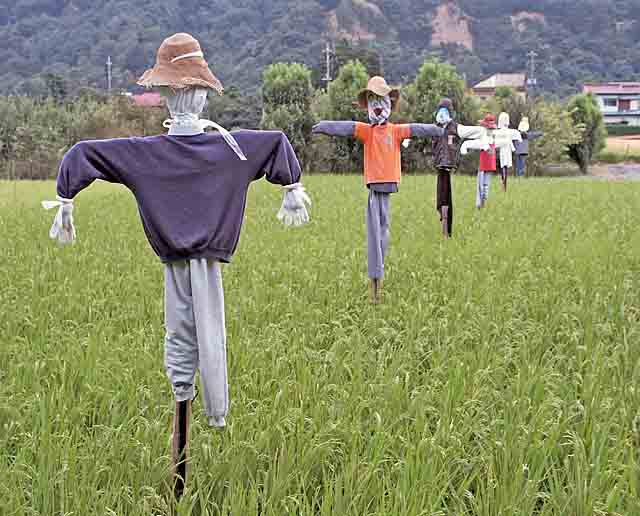




Construction and common features
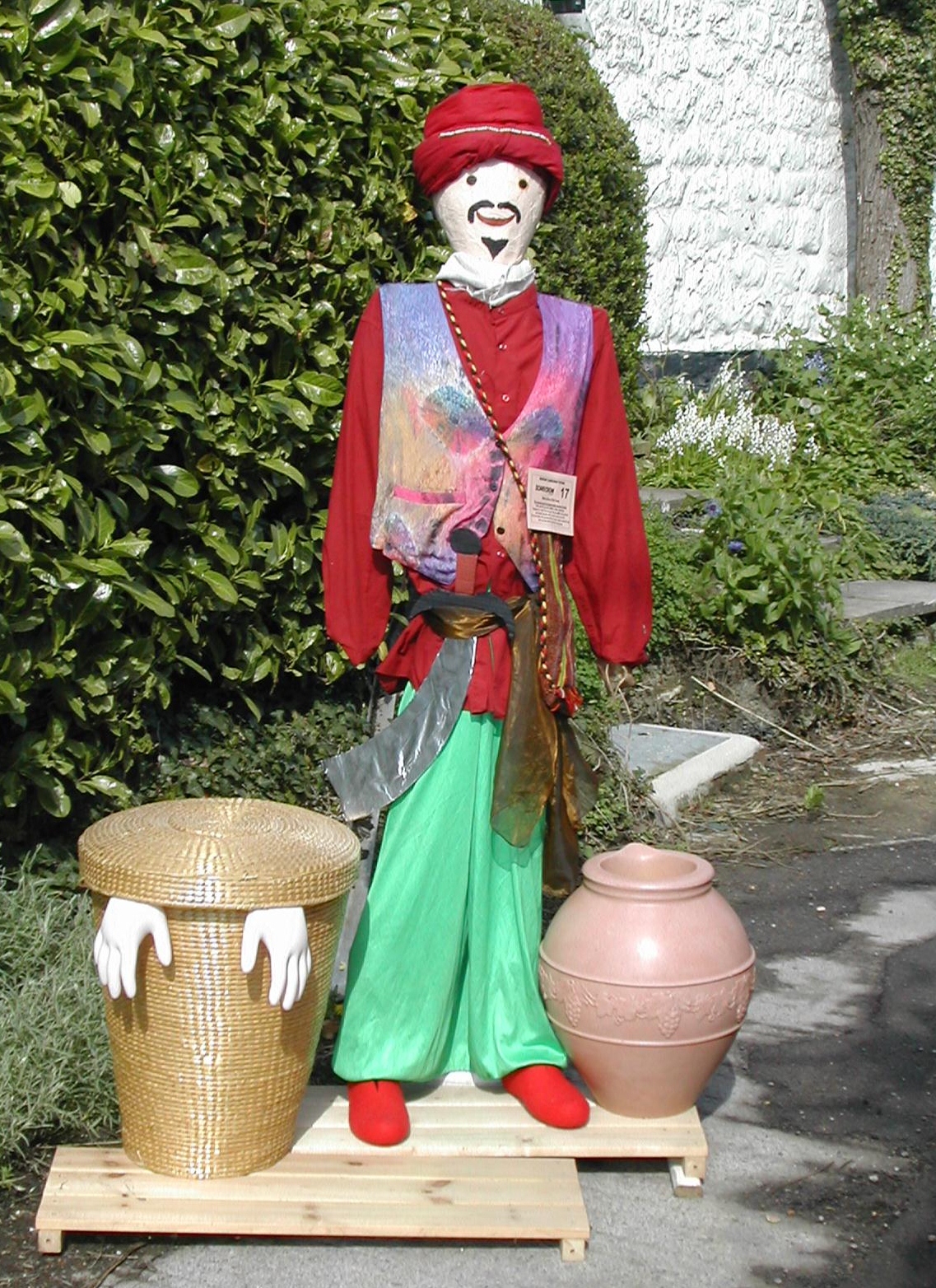
Most scarecrows are built around a rigid frame—often a cross of wooden poles—dressed in worn clothes and stuffed with straw, hay, or cloth. Additional elements may be added to increase realism or motion, such as a hat, gloves, a reflective surface, or loose fabric that flutters in wind. A typical maker, the farmer, places the figure where seedlings or ripening crops are vulnerable.
- Frame: wood, wire, or metal
- Filling: straw, hay, plastic, rags
- Clothing: old shirts, jackets, hats
- Extras: shiny objects, streamers, movable arms
How scarecrows work and limitations
Scarecrows rely on birds’ wariness of humans. Initially effective, a static figure may lose impact as animals learn it is not a real person. To maintain deterrence, users alter appearance, move the figure between locations, or combine it with sound makers, reflective tape or predator-shaped decoys. The goal is to protect seeds and young plants from species such as birds, including keystone pests like crows and sparrows.
History and cultural significance
Scarecrows have ancient roots and appear in many agricultural societies. Variants include Japanese kakashi, Greek and Roman field effigies, and ritual figures used in harvest festivals. Beyond practical use, scarecrows appear in folklore, literature and art as symbols of protection, solitude, or the boundary between human and natural worlds.
Today scarecrows are both functional tools and cultural icons. They are used on small farms and in community gardens, displayed at festivals and fairs, and adapted into modern wildlife management strategies. Their simple design and long history make them an enduring element of rural life and popular culture.
Questions and answers
Q: What is a scarecrow?
A: A scarecrow is a figure usually made of sticks that looks like a person and is dressed in old clothes.
Q: Why do farmers put scarecrows in their fields?
A: Farmers put scarecrows in their fields to frighten birds away from eating the seeds they have planted.
Q: What kind of birds do scarecrows typically scare away?
A: Scarecrows typically scare away birds such as crows and sparrows.
Q: Why do farmers not want birds to eat the seeds they have planted?
A: Farmers do not want birds to eat the seeds they have planted because if the birds eat the seeds, the farmer will not have a big crop of things to eat.
Q: What is the purpose of a scarecrow in a field?
A: The purpose of a scarecrow in a field is to scare away birds that would eat the seeds the farmer has planted.
Q: What is a scarecrow usually made of?
A: A scarecrow is usually made of sticks.
Q: What kind of clothes is a scarecrow dressed in?
A: A scarecrow is dressed in old clothes.
Author
AlegsaOnline.com Scarecrow: purpose, construction, history, and cultural roles Leandro Alegsa
URL: https://en.alegsaonline.com/art/87788