
Bank of Japan (BOJ) — Japan's central bank
The Bank of Japan is Japan's central bank. It issues currency, conducts monetary policy, manages reserves, and oversees payment systems. Founded in 1882 and headquartered in Tokyo.
Overview
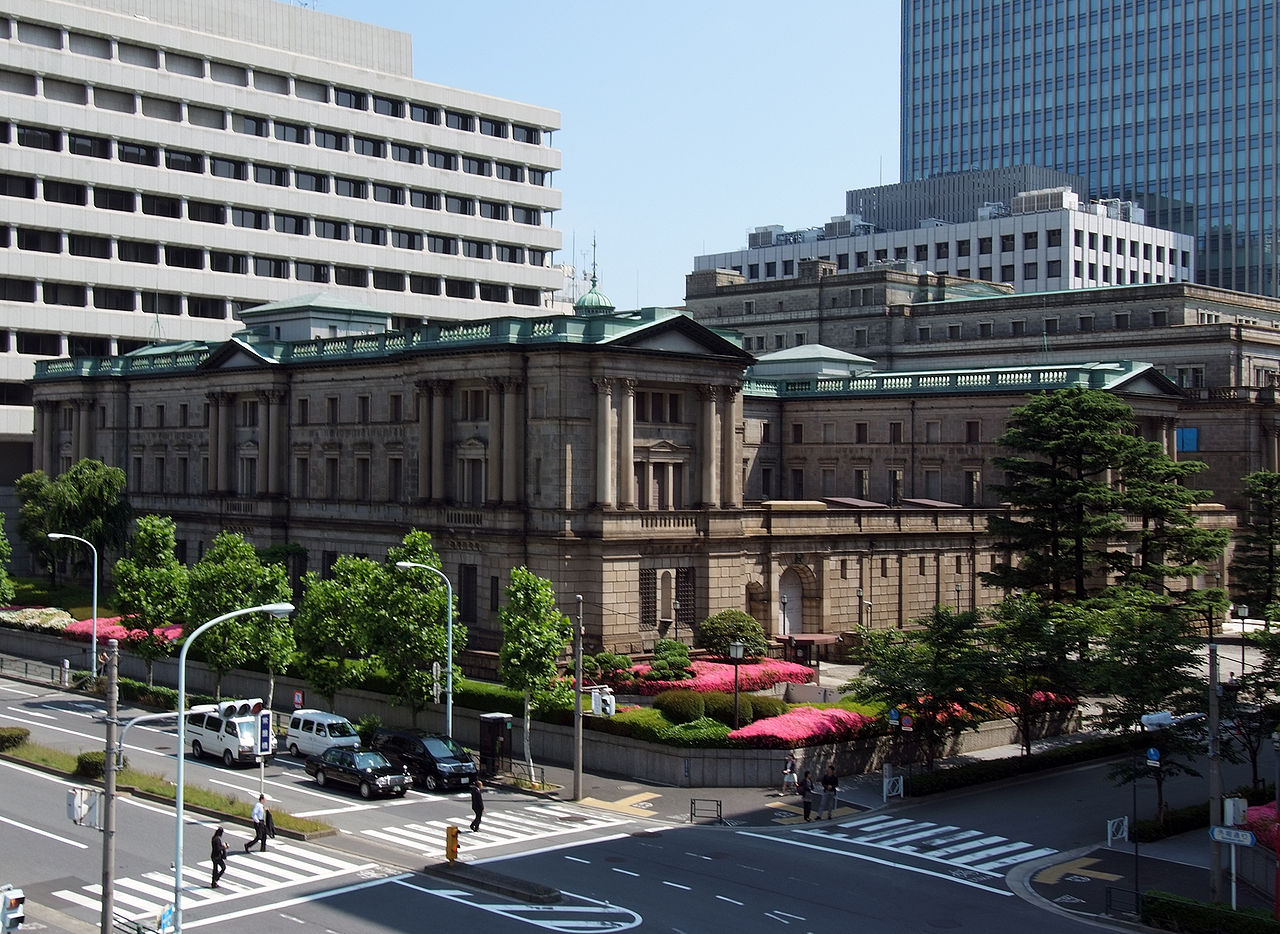
The Bank of Japan (BOJ) is the central bank of Japan and serves as the country's primary monetary authority. Founded in 1882, the BOJ issues banknotes, acts as banker to the government, and seeks to maintain price stability and financial system functioning. Its main offices are located in Chuo, Tokyo, and it maintains an institutional presence in domestic and international financial markets. More information is available from the institution's official materials.
Image gallery
10 Images



Primary functions
- Issuing and managing the national currency and ensuring the integrity of banknotes.
- Conducting monetary policy to achieve stable prices and support economic growth.
- Serving as a banker and fiscal agent for the government, including the management of public debt operations.
- Holding and managing foreign exchange reserves and providing liquidity to the financial system.
- Overseeing payment and settlement systems to promote safe and efficient transactions.
Structure and governance
The BOJ is governed by a Policy Board and led by a Governor, supported by deputy governors and executive staff. Key appointments involve government nomination and legislative oversight, with a legal framework designed to balance operational independence and public accountability. The bank operates regional branches and interacts with domestic banks, international institutions and markets to carry out its duties.
History and development
Established in the Meiji era, the BOJ was modelled on modern central banking principles introduced from Europe and the United States. Over more than a century it has evolved through periods of war, reconstruction and rapid economic growth. Legal reforms in the late 20th century clarified its objectives and independence, while developments in global finance have expanded its responsibilities.
Monetary policy and tools
To achieve its mandates the BOJ uses conventional tools such as short-term interest rate guidance and open market operations, and unconventional measures including large-scale asset purchases, long-term yield control and, in recent years, policies associated with quantitative easing and negative interest rates. The bank also provides lender-of-last-resort facilities and works with fiscal authorities during times of stress.
Role, importance and debates
The BOJ plays a central role in Japan's economy by influencing inflation, employment conditions and exchange rates. Its prolonged low-inflation environment and sizable balance sheet have prompted public and academic debate about the limits of monetary policy, the timing of policy normalization, and the interaction between central bank independence and democratic oversight. Observers continue to study the BOJ's actions as part of broader questions about central banking in advanced economies.
Questions and answers
Q: What is the Bank of Japan?
A: The Bank of Japan is the central bank of Japan.
Q: What other name is the Bank of Japan known as?
A: The Bank of Japan is also known as Nichigin.
Q: Where are the main offices of the Bank of Japan located?
A: The main offices of the Bank of Japan are located in Chuo, Tokyo.
Q: What is the role of the central bank in a country?
A: The role of a central bank is to manage the country's money supply, regulate inflation, and promote economic growth.
Q: How long has the Bank of Japan been in operation?
A: The Bank of Japan was established in 1882 and has been in operation for over 139 years.
Q: Who is responsible for overseeing the Bank of Japan?
A: The Bank of Japan is overseen by a nine-member Policy Board, which is appointed by the Japanese government.
Q: What is the function of the Bank of Japan's Policy Board?
A: The Policy Board of the Bank of Japan is responsible for making decisions on monetary policy, including setting interest rates and determining measures to promote economic stability.
Related articles
Author
AlegsaOnline.com Bank of Japan (BOJ) — Japan's central bank Leandro Alegsa
URL: https://en.alegsaonline.com/art/8763
Sources
- worldcat.org : OCLC 471605161