
Bank of England: History, roles, and organisation
The Bank of England is the United Kingdom’s central bank, responsible for monetary policy, issuing banknotes in England and Wales, financial stability and acting as banker to the government.
The Bank of England is the central bank of the United Kingdom. Founded in the late 17th century to provide banking services to the government and to help finance public debt, it became a model for many later central banks. Though ownership and powers have changed over time, its core duties — managing monetary policy, issuing currency, acting as banker to the government, and supporting financial stability — remain central to the British economy.
Image gallery
10 Images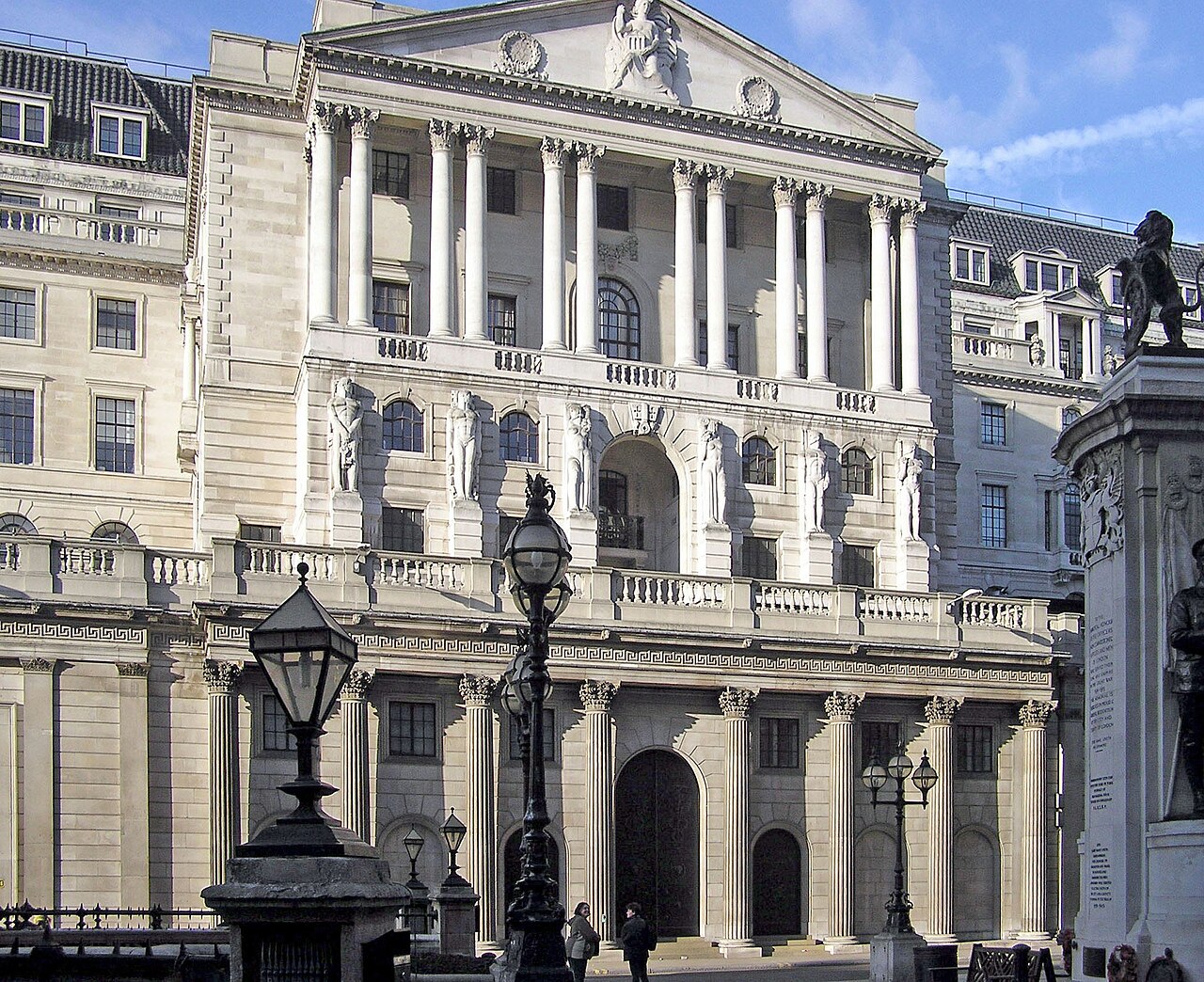




Origins and development
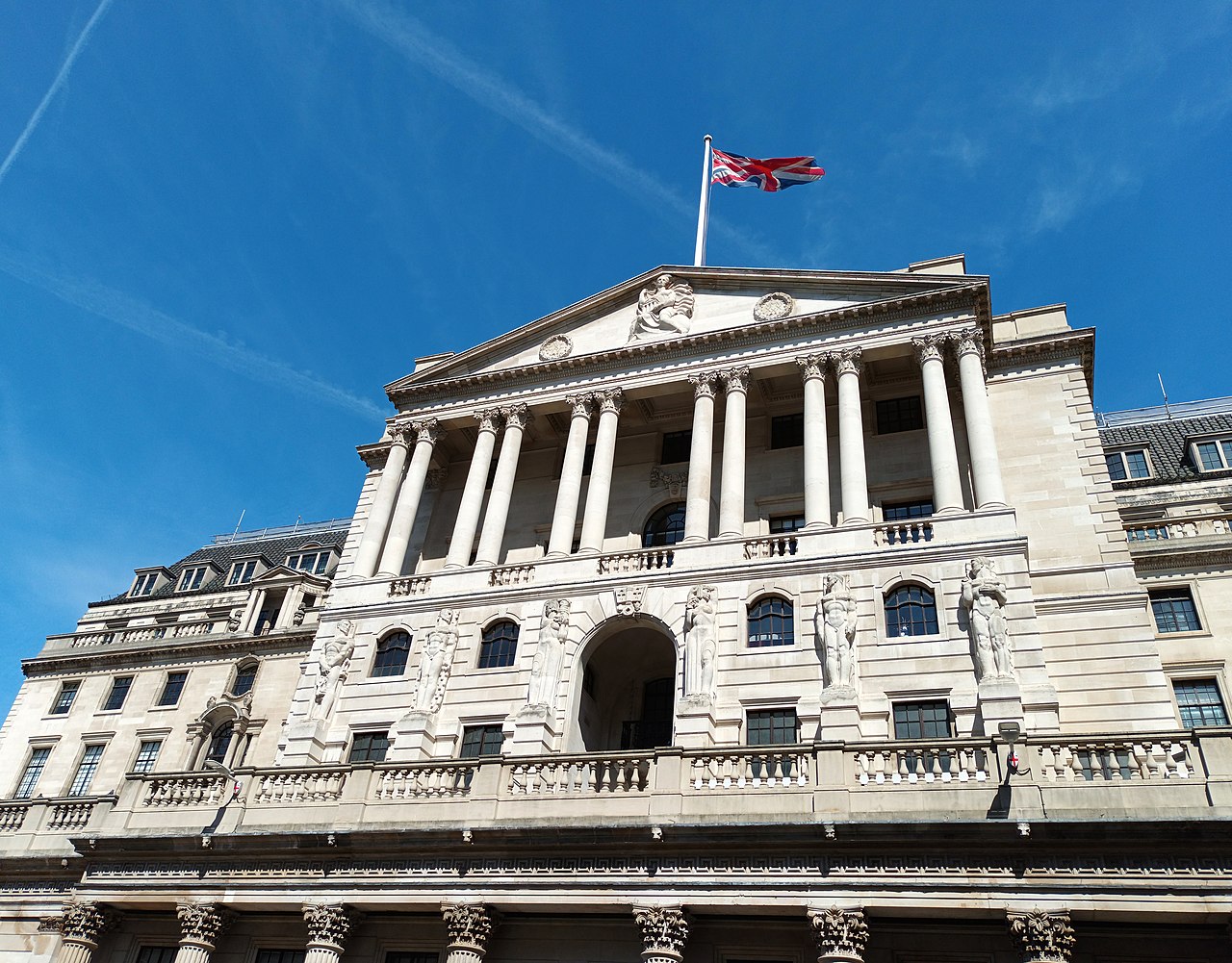
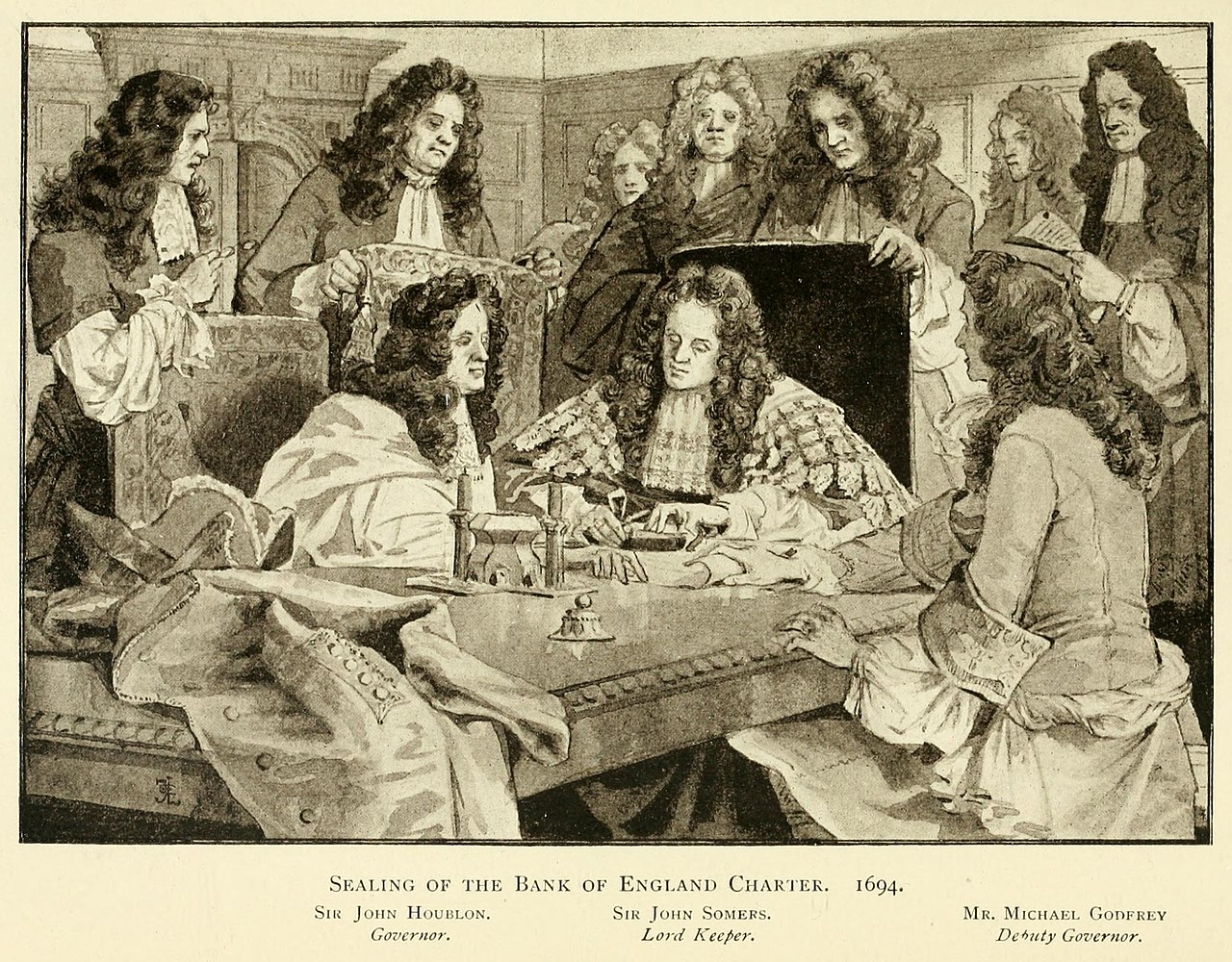
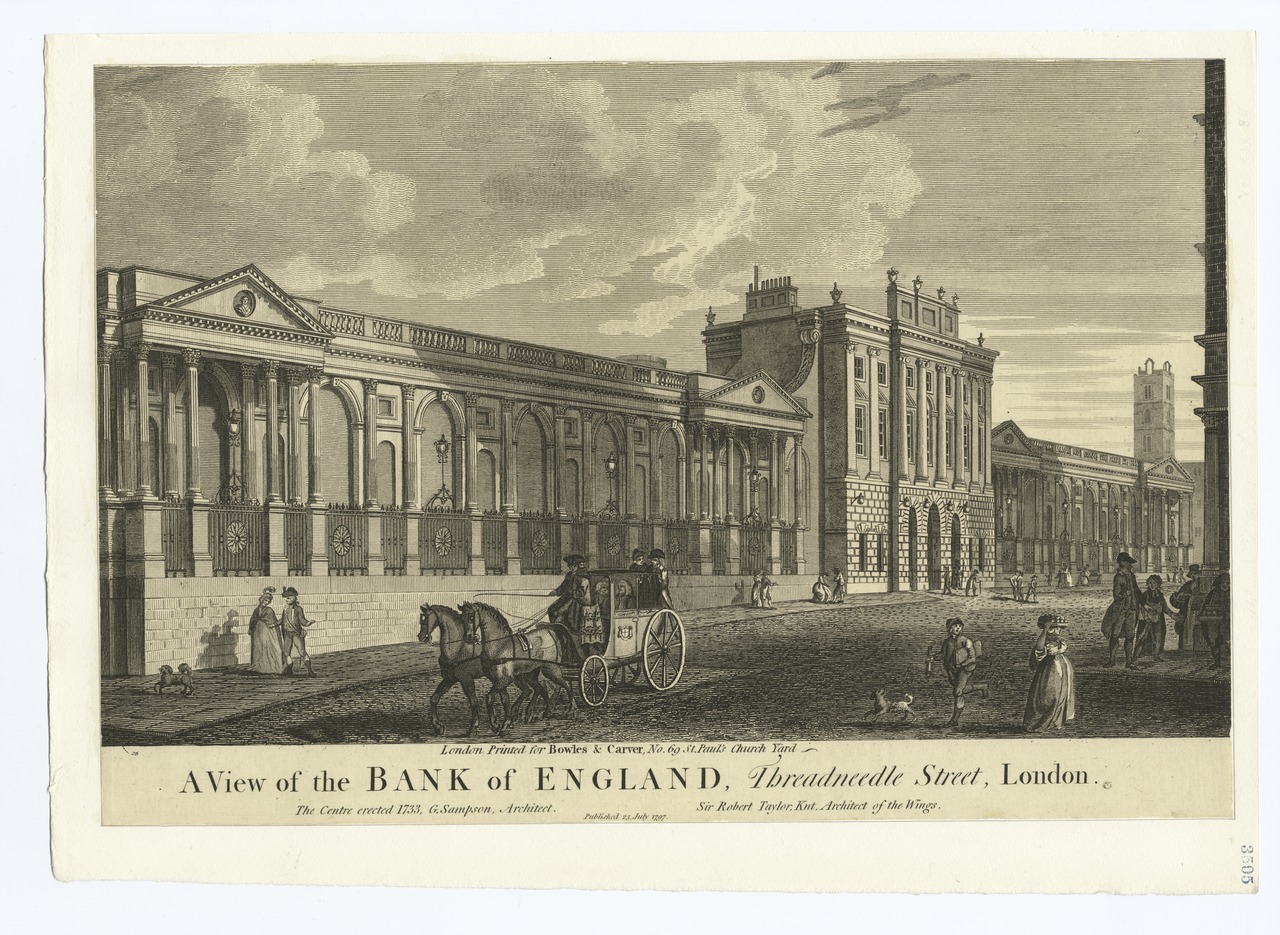
The Bank was established in 1694 and has operated in London’s financial district since the 18th century, with its headquarters on Threadneedle Street since 1734. It was privately owned for much of its early existence and was nationalised after the Second World War. In the late 20th century the Bank gained operational independence to set interest rates and manage inflation targets, while the government retained statutory responsibilities and oversight.
Primary functions
The Bank performs several distinct public functions. Its Monetary Policy Committee (MPC) sets the official interest rate and other instruments to meet the government’s inflation target. The Bank also acts as the government’s banker and debt manager, provides lender-of-last-resort support to the banking system when necessary, and works to maintain overall financial stability.
- Monetary policy and interest-rate decisions through the MPC.
- Issuance and regulation of banknotes; a monopoly of issuance in England and Wales and a licensing/regulatory role for notes issued elsewhere.
- Prudential oversight and crisis management to promote the resilience of the financial system.
Banknotes and regional arrangements
The Bank has the exclusive right to issue banknotes in England and Wales and supervises the arrangements for currency issued by commercial banks in Scotland and Northern Ireland. For historical and legal reasons, a small number of authorised banks outside England and Wales continue to issue their own banknotes; the Bank of England oversees reserve arrangements for those notes to protect holders. See more on notes and issuance under banknotes.
Governance and accountability
The Bank is a public institution wholly owned by the state but enjoys operational independence in areas such as monetary policy. The Treasury retains reserve powers to intervene in extreme circumstances and sets the inflation target that the Bank seeks to achieve. The Bank’s internal structure includes committees responsible for monetary policy, financial stability, and market operations; it also publishes regular reports and is accountable to Parliament and the public for its actions.
Location, culture and notable facts
Located in the City of London on Threadneedle Street, the institution is colloquially known as "The Old Lady of Threadneedle Street". It is one of the world’s oldest central banks and has influenced central banking practice internationally. Over time its remit has expanded to include macroprudential oversight and closer cooperation with other domestic and international regulators to reduce systemic risk.
Recent leadership and legacy
In recent decades governors have included Sir Mervyn King (early 2000s), Mark Carney (appointed in 2013, the first non-Briton to hold the post), and later governors who continued to steer policy through episodes such as the global financial crisis and the economic shocks of the 2020s. The Bank remains the principal monetary authority in the UK and a central actor in efforts to preserve stable prices, support growth, and safeguard the financial system.
For additional information about the Bank’s relationship with government institutions and financial markets, see the Treasury context and oversight arrangements under the Treasury. The Bank also maintains formal roles regarding the issuance and regulation of notes in England, Wales, Scotland and Northern Ireland.
Further reading and official materials can be found through the Bank’s institutional pages and public publications for those seeking deeper detail on its history, instruments, and policy framework. See also general resources on central banking and monetary policy practices for comparative context.
Questions and answers
Q: What is the Bank of England?
A: The Bank of England is the central bank of the United Kingdom, which was set up to act as the government's banker and is still the banker for the British Government.
Q: When was the Bank of England privately owned?
A: The Bank of England was privately owned from 1694.
Q: When did the Government take over the Bank of England?
A: The Government took over the Bank of England in 1946.
Q: Does the Bank of England have independence in setting monetary policy?
A: Yes, although wholly owned by the government, the Bank of England has independence in setting monetary policy.
Q: What is the Bank of England's role in issuing banknotes in the United Kingdom?
A: The Bank of England is one of eight banks authorised to issue banknotes in the UK. It has a monopoly on the issue of banknotes in England and Wales, and regulates the issue of banknotes by commercial banks in Scotland and Northern Ireland.
Q: Who manages money supply and interest rates in the Bank of England?
A: The Bank of England's Monetary Policy Committee manages money supply and interest rates.
Q: Who succeeded Sir Mervyn King as Governor of the Bank of England?
A: Mark Carney succeeded Sir Mervyn King as Governor of the Bank of England on 1 July 2013.
Related articles
Author
AlegsaOnline.com Bank of England: History, roles, and organisation Leandro Alegsa
URL: https://en.alegsaonline.com/art/8762
Sources
- bankofengland.co.uk : "Bank of England Annual Report 2013"
- bankofengland.co.uk : Bank of England | Publications
- worldcat.org : 1467-016x
- news.bbc.co.uk : "– UK reduces interest rates to 0.5%"
- hansard.millbanksystems.com : "House of Commons Debate 29th October 1945, Second Reading of the Bank of England Bill"
- bankofengland.co.uk : "Bank of England Act 1946"
- legislation.gov.uk : The Bank of England Act 1998 (Commencement) Order 1998
- news.bbc.co.uk : BBC On This Day | 6|1997: Brown sets Bank of England free
- bankofengland.co.uk : Bank of England | About the Bank
- bankofengland.co.uk : Bank of England: Relationship with Parliament
- bankofengland.co.uk : "The Bank of England's role in regulating the issue of Scottish and Northern Ireland banknotes"
- opsi.gov.uk : "Act of Parliament gives devolved responsibility to the MPC with reserve powers for the Treasury"
- historic-uk.com : The Old Lady of Threadneedle Street
- bbc.co.uk : bbc.co.uk/news/business-20501990