
Sauropterygia — Mesozoic marine reptiles
Extinct clade of Mesozoic marine reptiles that evolved paddle-like limbs and diversified into forms such as plesiosaurs, pliosaurs and nothosaurs from the Triassic through the Cretaceous.
Sauropterygia is an extinct group of mostly marine diapsid reptiles that became prominent in the Mesozoic seas. Members of this clade are commonly referred to as sauropterygians and include a range of forms from small, nearshore swimmers to large open-ocean predators. Many sources treat them as classic aquatic reptiles, and they are central to discussions of marine vertebrate evolution in the Triassic, Jurassic and Cretaceous. Modern summaries and museum overviews provide introductions to their diversity and life habits general overview.
Image gallery
10 Images
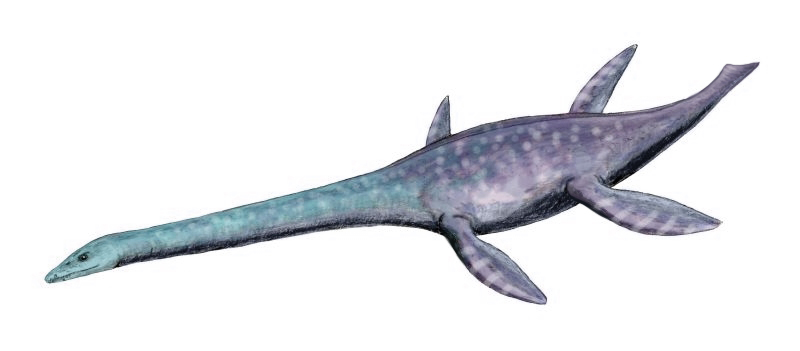

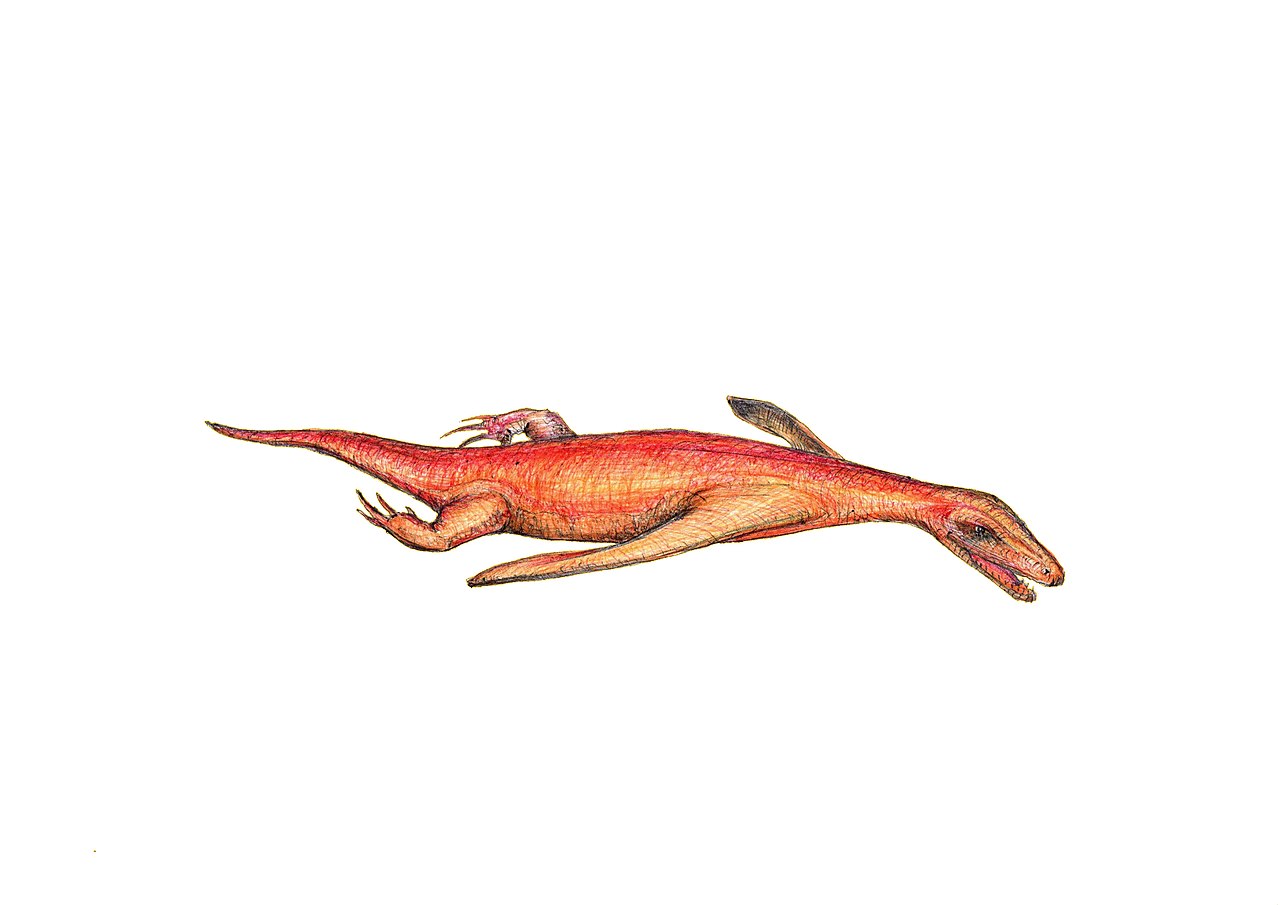


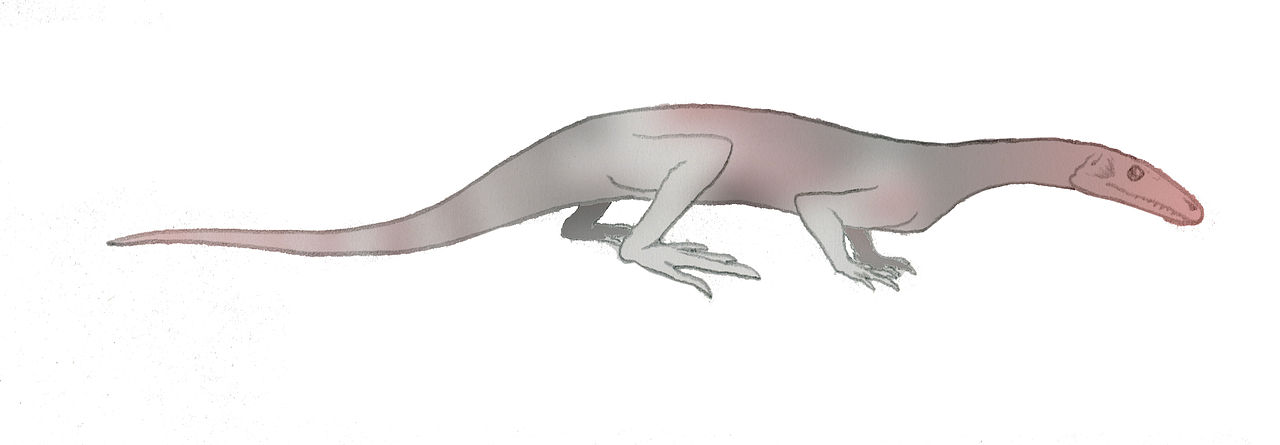
Distinctive anatomy and locomotion
Sauropterygians share structural adaptations associated with powerful limb-driven swimming. The pectoral girdle is typically broadened and reinforced to anchor strong muscles for paddle strokes; in many forms the limb bones are flattened and expanded into flippers. Some later, large-bodied lineages show corresponding reinforcement in the pelvic region to support strong hind limb paddles. These anatomical trends are discussed in functional and comparative studies of extinct marine reptiles functional anatomy and in fossil descriptions held by natural history collections collection notes.
Major groups
- Nothosaurs — generally semi-aquatic, long-bodied reptiles that likely hunted in shallow water.
- Pachypleurosaurs — small to medium-sized swimmers with elongate bodies and limbs adapted for paddling.
- Plesiosaurs — a successful marine radiation with long-necked, small-headed forms and closely related short-necked, large-headed pliosaurs.
These groups illustrate the range from nearshore to fully pelagic lifestyles; further taxonomic summaries and diagrams appear in specialist treatments and online resources taxonomic review and museum pages exhibit notes.
Evolutionary history and extinction
Sauropterygians first appear in Triassic rocks and diversified through the Jurassic and Cretaceous. Early forms retained some terrestrial or amphibious traits, while later clades became fully marine specialists. The long-term success of the group ended with the large-scale faunal turnovers that closed the Cretaceous, after which no sauropterygian lineages persisted. For timelines and stratigraphic summaries see curated overviews and palaeontological databases timeline resources and stratigraphic summaries.
As subjects of research and public fascination, sauropterygians illustrate convergent evolution with other marine reptiles and modern marine mammals: similar hydrodynamic pressures produced comparable body shapes and swimming styles. Fossils of sauropterygians continue to inform studies of locomotion, ecology and the consequences of major extinction events in Earth's history.
Questions and answers
Q: What is the Sauropterygia?
A: The Sauropterygia is a superorder of successful aquatic reptiles that lived during the Mesozoic era.
Q: What unites Sauropterygia?
A: Sauropterygia is united by an adaptation of their shoulder designed to support powerful paddle strokes.
Q: What was the Mesozoic era?
A: The Mesozoic era was a geological period that started about 252 million years ago and ended approximately 66 million years ago.
Q: Did the Sauropterygia adapt to life on land or in water?
A: The Sauropterygia adapted to life in water.
Q: What were some later sauropterygians like?
A: Some later sauropterygians, like the pliosaurs, developed a similar mechanism in their pelvis.
Q: What is the function of the adaptation of the shoulder in the Sauropterygia?
A: The adaptation of the shoulder in the Sauropterygia is designed to support powerful paddle strokes.
Q: What is the significance of the Sauropterygia in the evolution of aquatic reptiles?
A: The Sauropterygia is significant in the evolution of aquatic reptiles as it was a superorder of successful aquatic reptiles that developed adaptations for life in water.
Related articles
Author
AlegsaOnline.com Sauropterygia — Mesozoic marine reptiles Leandro Alegsa
URL: https://en.alegsaonline.com/art/87578