
Sauna: heat room traditions, types, uses, and safety
Overview of saunas: what they are, regional types (Finnish, Russian, Turkish, infrared), typical temperatures and humidity, cultural roles, health considerations, safety and etiquette.
A sauna is an enclosed space intentionally heated to cause sweating, used for relaxation, social bathing, personal hygiene and ritual. Heat may be produced by a wood or electric stove with hot stones, by steam in humid traditions, or by infrared panels that warm the body directly. Sweating and warmth are widely believed to bring health and wellbeing benefits and relief from muscle tension, although heat exposure also places stress on the cardiovascular system. For general background on sauna use see introductory resources and regional spread in modern times at global summaries. For health-oriented guidance consult evidence summaries and public advice pages on health effects.
Image gallery
10 Images
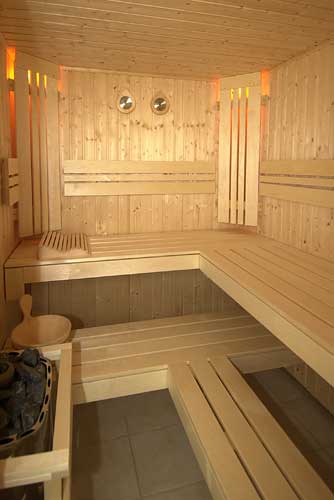


How saunas are heated and the role of humidity
Two variables determine the user experience: air temperature and humidity. Traditional Finnish-style saunas commonly operate in the range of 70–100° C; many public and private saunas are kept near 80° C and water may be poured on hot stones to produce a brief burst of steam called löyly. These dry-style saunas have relatively low humidity, allowing higher air temperatures to feel tolerable. Steam-based baths, such as some Russian banyas or Turkish hammams, use much higher humidity at lower air temperatures for a different sensation; see temperature and practice notes temperature guidelines and humidity differences explained. The Turkish hammam tradition and its emphasis on washing and steam is described further at hammam traditions.
Major regional types and modern variants
- Finnish sauna: A culturally central form in Finland, typically wood-lined with a stove and stones; saunas often function as social spaces in homes and communities, see cultural notes Finnish sauna sources.
- Swedish and Nordic variants: Similar to Finnish practice with local layout and etiquette differences.
- Russian banya: A steamy bath where users may employ venik (leafy bundles) to stimulate circulation; social and cleansing rituals are important.
- Turkish hammam: A heated, highly humid room focused on washing and steam; lower air temperatures but intense moisture characterize the experience (see).
- Infrared saunas: Modern alternatives that use radiant panels to heat the body at lower ambient temperatures; they are increasingly offered in private and commercial settings.
- Public and private settings: Saunas are commonly installed in hotels, gyms and sports centers, and are also frequent in private residences and workplaces; examples include hotel, sports and health-club facilities.
Cultural importance, distribution and everyday use
In some countries saunas form an integral part of daily life and social rituals. Finland is a prominent example: saunas appear in many private dwellings and communal buildings and are used for family, business and social occasions. Information on domestic arrangements and prevalence can be found for homes, apartments and workplaces at links describing their presence in homes, apartments and office settings. Saunas are also an amenity in many leisure and hospitality settings (amenity examples).
Health considerations and safety
Short-term benefits reported by many users include relaxation, reduced stress, temporary easing of muscle soreness and a subjective sense of improved circulation. Scientific investigation into long-term health effects continues, and not all claimed benefits are conclusively proven. Heat exposure raises heart rate and core temperature and therefore can be risky for people with certain cardiovascular conditions, during acute illness, in pregnancy, or when combined with alcohol. Users should be cautious and consult a health professional if they have chronic conditions.
- Basic safety: limit session length (often 10–20 minutes per stay for many adults), drink water before and after, and cool down gradually between sessions.
- Avoid alcohol, do not use alone if you have a risk condition, and leave the sauna immediately if you feel dizzy, faint, excessively breathless or unwell.
- Children, older adults and those with health conditions should seek medical advice before regular or prolonged use.
Etiquette varies by culture and facility: some places require swimsuits, others favor nudity in private saunas, and mixed-gender policies differ. Respect local rules, maintain cleanliness, and follow facility instructions for heater operation and steam creation. For practical tips on safe and comfortable use consult the linked resources above, which cover guidance for novices and regular users in different settings (see basic guidance) and site-specific amenity descriptions (hotel examples).
Construction and maintenance: traditional wood-lined interiors, correct ventilation, proper stove installation and regular cleaning help ensure safe, durable saunas. Whether built as a private room, part of a communal bathhouse, or offered as an infrared cabin, saunas remain a flexible form of heat bathing that blends practical hygiene, relaxation and cultural tradition.
Questions and answers
Q: What is a sauna?
A: A sauna is a small room or building that is made hot.
Q: Why is the heat of a sauna calming?
A: The heat of a sauna is calming because it causes the person using it to sweat.
Q: Is using a sauna believed to help people be more healthy?
A: Yes, using a sauna is believed to help people be more healthy.
Q: Does overheating cause stress on the body?
A: Yes, overheating causes stress on the body.
Q: What is the temperature often in Finnish saunas?
A: The temperature is often 80°C in Finnish saunas.
Q: What is the humidity like in Finnish and Swedish saunas?
A: The humidity in Finnish and Swedish saunas is lower to make the high heat comfortable.
Q: Are saunas only found at hotels and places for sports and exercise?
A: No, saunas can also be found in private apartments and office buildings. In almost every house in Finland they have a sauna.
Author
AlegsaOnline.com Sauna: heat room traditions, types, uses, and safety Leandro Alegsa
URL: https://en.alegsaonline.com/art/87566