
Sason (Sassoun): district and historical region in eastern Turkey
Sason (Sassoun) is a mountainous district in southeastern Turkey with a complex Ottoman administrative history, Armenian cultural importance, 19th–20th century uprisings, and shifting borders into the modern era.
Overview
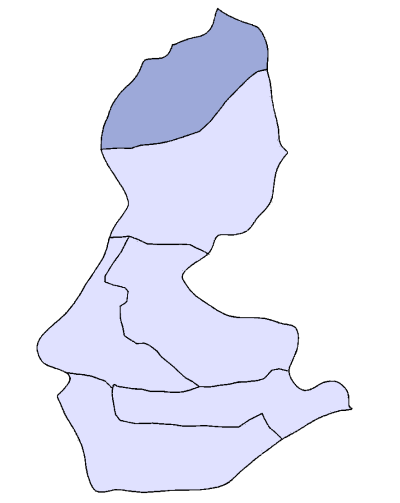
Sason, also known historically as Sassoun, is a mountainous district and historical region in southeastern Turkey. It is known by several local names: the Armenian form Sasun, the Kurdish name Qabilcewz, and an Arabic-derived form قبل جوز. Administratively today the district is part of the province often cited as Batman Province, and it is officially recognized as a district-level unit (district) within the Turkish system.
Image gallery
4 Images


Geography and demography
The Sason area is predominantly mountainous and characterized by highland valleys, seasonal pastures, and a climate suitable for small-scale agriculture and livestock. Its terrain has influenced settlement patterns and the local economy for centuries. Historically the district hosted a mix of rural communities; over time the ethnic and religious composition has changed because of migration, administrative shifts, and political events. Contemporary Sason is rural in character, with villages and small towns rather than large urban centers.
Administrative history
Sason's administrative affiliations shifted several times during the late Ottoman period and the early decades of the Turkish Republic. During the 19th century it belonged to the sanjak of Siirt (Siirt sanjak), which had been part of the Diyarbakır vilayet until around 1880. By the 1890s parts of the region were placed under the Bitlis vilayet; later Sason was associated with the Muş sanjak and remained linked to Muş until the 1920s. In the Republican era its provincial attachment changed again: it was part of Siirt province until the 1990s and now lies within the modern boundaries of Batman. Historical and present district boundaries are not the same: older descriptions place Sasun farther north than the modern district (boundary changes), and much of what was once called Sasun now falls under other nearby districts (northern territories).
Cultural importance and resistance
Sason occupies a prominent place in Armenian cultural memory. The area figures in the Armenian national epic often called the "Daredevils of Sassoun," and the name Sasun is frequently invoked in Armenian history and folklore (Armenian cultural reference). In the late 19th and early 20th centuries the region was also a focal point of armed local resistance: Armenian armed groups known as fedayi were active in and around Sason and clashed with both Ottoman authorities (Ottoman officials) and neighboring Kurdish tribal forces. Notable episodes of unrest occurred in the 1890s and again in the early 1900s, including uprisings and confrontations reported in many contemporary sources; these events remain an important part of the district's modern historical narrative. Conflicts frequently involved local Kurdish groups (Kurdish tribes) and other tribal actors (tribal groups), reflecting the complex local power dynamics of the period.
Modern Sason: economy and identity
Today Sason is a largely rural district where agriculture, animal husbandry and small-scale trade form the backbone of the local economy. Infrastructure and services have developed unevenly compared with larger Turkish cities, and out-migration to urban centers has affected population patterns. The region's layered past — Ottoman administrative changes, episodes of resistance, and deep cultural associations — continues to shape local identity, commemoration, and the way Sason is remembered in different communities.
Notable facts and distinctions
- Sason is widely known under multiple names in Armenian, Kurdish and Arabic traditions (Armenian, Kurdish, Arabic).
- Its administrative borders have moved repeatedly between Diyarbakır, Bitlis, Muş, Siirt and now Batman provinces over the last 150 years (historic sanjaks, modern province).
- Sason's role in Armenian epic literature and the fedayi movement gives it lasting cultural prominence (epic tradition, Armenian memory).
- Local conflict in the late 19th and early 20th centuries involved clashes with Ottoman authorities (central government) and with regional tribal forces (Kurdish tribes, other tribes).
For readers seeking further information, archival accounts and regional studies provide more detailed chronological narratives and maps illustrating how Sason's borders and population changed over time. General overviews and cultural treatments can be found in works addressing regional history and folklore, while administrative records trace its shifting provincial affiliations.
Questions and answers
Q: What is Sason?
A: Sason is a district located in the Batman Province of Turkey.
Q: What was Sason part of before it became a district in Batman Province?
A: Sason was part of the sanjak of Siirt in the Diyarbakır vilayet until 1880. Later, it became part of Muş sanjak in the Bitlis vilayet.
Q: When did Sason become a district in the Siirt province?
A: Sason became a district in the Siirt province until 1993.
Q: Did the borders of the Sason district remain consistent throughout history?
A: No, the borders of the district varied considerably over time and are not the same as they were in the 19th century.
Q: What is the significance of Sason in Armenian culture and history?
A: Sason holds a prominent role in Armenian culture and history. It is the setting of Daredevils of Sassoun, Armenia's national epic. In the late 19th and early 20th centuries, it was also a major location of Armenian fedayi activities.
Q: What uprisings were staged by the Armenian fedayi in Sason?
A: The Armenian fedayi staged two uprisings against the Ottoman authorities in Sason. The first was against the Kurdish tribes in 1894, and the second was in 1904.
Q: What was the Kurdish name for Sason?
A: The Kurdish name for Sason was Qabilcewz, from Arabic: قبل جوز.
Related articles
Author
AlegsaOnline.com Sason (Sassoun): district and historical region in eastern Turkey Leandro Alegsa
URL: https://en.alegsaonline.com/art/87421