
Sarin
Sarin is a highly toxic organophosphate nerve agent developed in the 1930s and classified as a chemical weapon; exposure causes rapid cholinergic crisis and respiratory failure and is banned under international law.
Overview
Sarin (often abbreviated GB) is a synthetic organophosphate that acts as a potent nerve agent. It interferes with the normal regulation of the nervous system and can be lethal at very low concentrations. Due to its toxicity and history of use as a weapon, sarin is internationally controlled and widely described in arms‑control literature as a chemical weapon classification.
Image gallery
7 Images





Chemical properties and mechanism
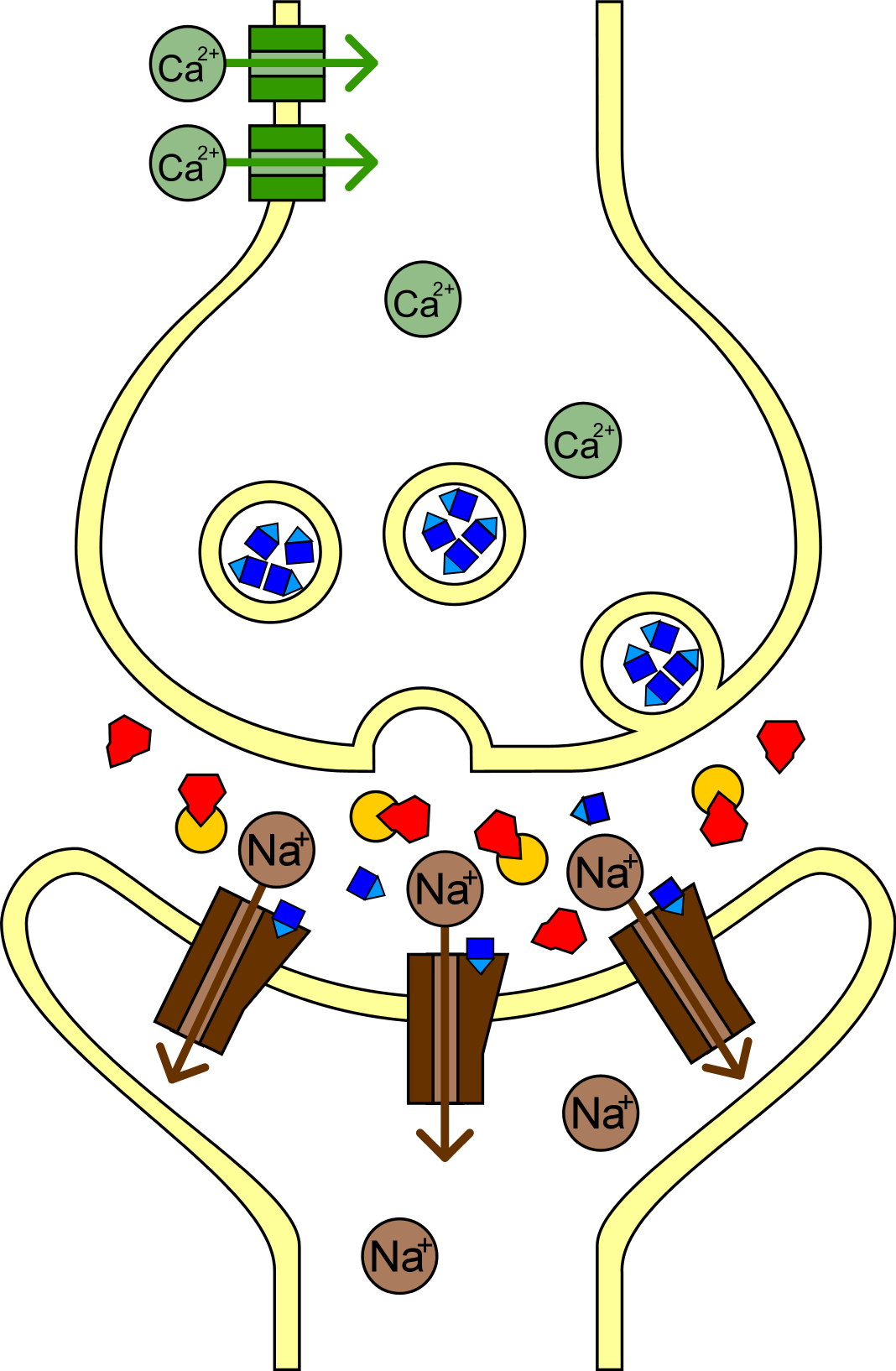
Sarin is a volatile, colorless, and odorless liquid at room temperature, which can evaporate to form a toxic vapor. Chemically it inhibits acetylcholinesterase, the enzyme that breaks down acetylcholine. This inhibition causes accumulation of acetylcholine at nerve synapses, producing continuous stimulation of muscles and glands. Clinically this leads to a combination of muscarinic (salivation, bronchoconstriction, miosis), nicotinic (muscle twitching, weakness, paralysis) and central nervous system (confusion, convulsions) effects.
History and development
Sarin was first synthesized in the late 1930s by German chemists during research into new pesticides; it was subsequently developed for military use in World War II-era programs historical context. After the 20th century it became one of several organophosphate agents studied and stockpiled by states before international norms and treaties restricted such practices.
Effects, treatment, and prognosis
Exposure to sarin can cause symptoms within seconds to minutes. Severe inhalation may lead to respiratory failure and death if untreated. Emergency medical treatment focuses on rapid decontamination and antidote administration. Standard antidotes include atropine to block muscarinic receptors and oximes (such as pralidoxime) to reactivate acetylcholinesterase where possible. Supportive care often requires ventilatory assistance. Prompt treatment can be lifesaving; delayed care may result in lasting neurological injury health risks and the need for long-term rehabilitation.
Legal status and control
Because of its primary use as a weapon, sarin is listed among substances subject to the strictest controls under the Chemical Weapons Convention and related international instruments. Production, stockpiling, and use are prohibited by the CWC, which classifies sarin as a Schedule 1 chemical Convention. It is also designated a destructive agent in United Nations resolutions and arms‑control statements international law.
Notable incidents and public impact
Sarin has been involved in a small number of high-profile attacks that illustrate the human and political consequences of chemical warfare. These events prompted major investigations, emergency preparedness reforms, and strengthened international efforts to eliminate chemical weapons. Victims require rapid decontamination and medical care; emergency responders follow specialized protocols and may use antidotes such as atropine and agents documented in clinical guidance treatment sources. Medical, forensic, and policy literature continues to analyze past incidents to improve prevention and response strategies reference.
Questions and answers
Q: What is sarin?
A: Sarin (or GB) is a nerve gas, a deadly poison that was developed as a chemical weapon for use in war by Nazi Germany.
Q: How dangerous is sarin?
A: Sarin can be lethal even at very low concentrations and death can come in 1 to 10 minutes after breathing it in. It paralyses lung muscles and those who get a non-lethal dose, but do not get immediate treatment, may suffer permanent neurological damage.
Q: Is the production of sarin legal?
A: No, the production and stockpiling of sarin was outlawed by the Chemical Weapons Convention of 1993.
Q: What classification does sarin have according to the Chemical Weapons Convention?
A: Sarin is classified as a Schedule 1 substance according to the convention which means it is a very dangerous chemical that has no use outside of chemical warfare.
Q: What are some effects of coming into contact with sarin?
A: Death can come in 1 to 10 minutes after breathing it in and those who get a non-lethal dose may suffer permanent neurological damage.
Q: Is there an antidote for sarin poisoning?
A: Yes, antidotes such as atropine can save a person if given immediately.
Q: Does UN Resolution 687 classify sarin as a weapon of mass destruction? A: Yes, UN Resolution 687 classifies sarin as a weapon of mass destruction.
Related articles
Author
AlegsaOnline.com Sarin Leandro Alegsa
URL: https://en.alegsaonline.com/art/87365
Sources
- csmonitor.com : "Chemical weapons 101: Six facts about sarin and Syria's stockpile"
- cdc.gov : cdc.gov/niosh/ershdb/EmergencyResponseCard_29750001.html
- foreignpolicy.com : foreignpolicy.com/2013/08/26/exclusive-cia-files-prove-america-helped-saddam-as-he-gassed…
- sjcphs.org : "Nerve Agents"
- commons.wikimedia.org : Sarin