
São Tomé and Príncipe: overview, geography, history, and culture
A concise, balanced overview of São Tomé and Príncipe: location, geography, colonial history, language, biodiversity, economy and contemporary society of the small island nation in the Gulf of Guinea.
Overview
São Tomé and Príncipe is a small island nation in the Gulf of Guinea off the western coast of Central Africa. Composed primarily of two main islands, São Tomé and Príncipe, it is one of Africa's smallest and least populous sovereign states and the smallest Portuguese-speaking country by population. The nation combines volcanic landscapes, remnants of tropical rainforest, and a cultural heritage shaped by centuries of Portuguese colonial rule and the Atlantic plantation economy.
Image gallery
10 Images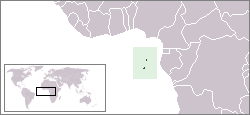


Geography and environment
The country lies in the tropical Atlantic and is typically described as part of Central Africa geographically. The two inhabited islands, São Tomé and Príncipe, sit several dozen kilometres apart and are located some distance off the coast of neighbouring countries such as Gabon. Both islands are volcanic in origin and feature rugged interior highlands, steep coastal zones and humid equatorial climate. Their isolation has produced high levels of endemism among plants, birds and other wildlife, making the islands important for conservation and ecotourism.
History and language
Uninhabited when first recorded by European navigators in the 15th century, the archipelago was colonised and administered by Portugal for several centuries. It became a centre for sugar and later cocoa and coffee plantations worked by enslaved and indentured labour. The islands gained full independence in July 1975 and became the Democratic Republic of São Tomé and Príncipe. Portuguese remains the official language and is widely used in government, education and media; several creole languages derived from Portuguese and local African languages are also spoken across the islands.
Population, politics and economy
With a population measured in the low hundreds of thousands, the country is among Africa's smallest by population, comparable in scale to island states such as Seychelles. Its political system is a unitary republic with elected institutions. Historically reliant on plantation agriculture—especially cocoa—its economy has diversified slowly into sectors such as fishing, services and a growing tourism industry. Prospects for petroleum exploration in nearby waters have attracted international interest, but the economy still faces challenges including limited infrastructure and vulnerability to external price shifts.
Culture, biodiversity and tourism
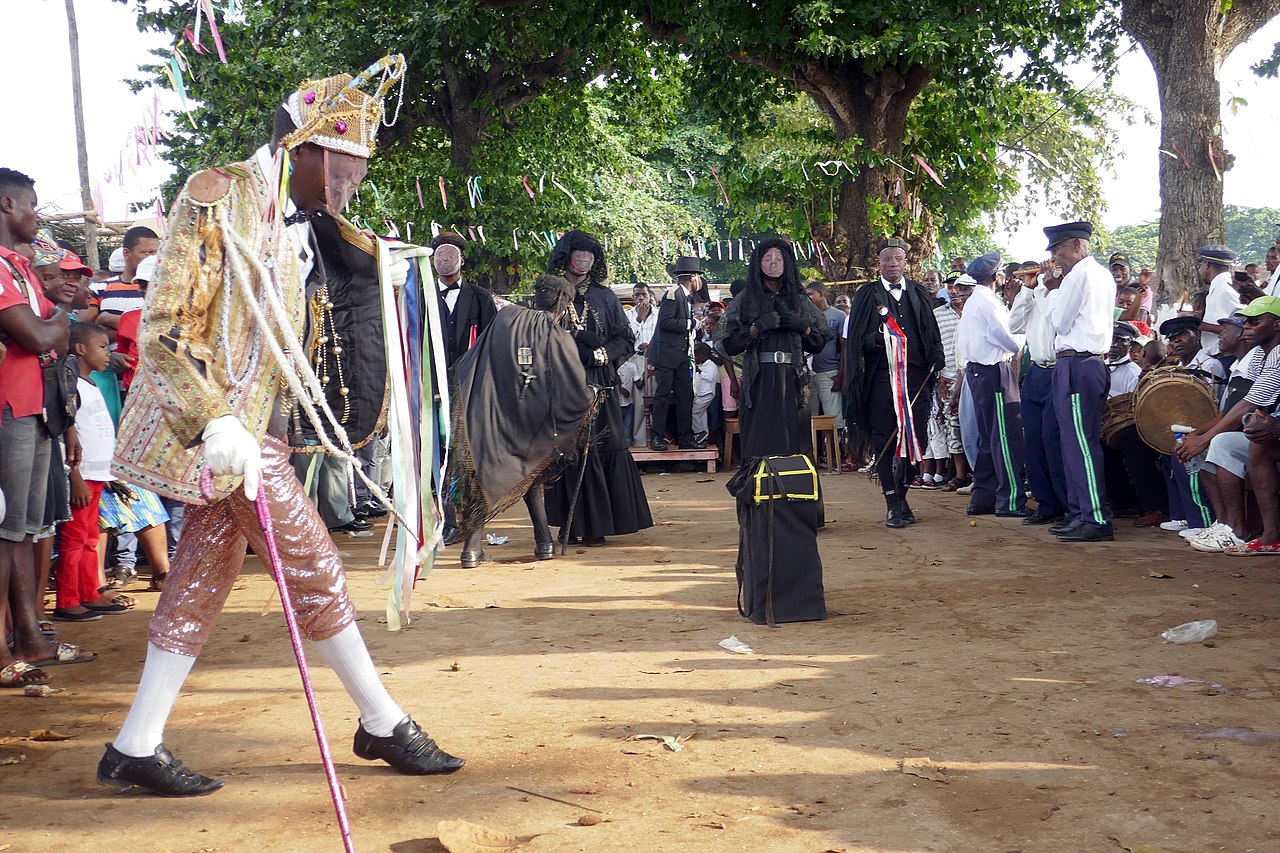
The islands present a blend of African and Portuguese cultural influences evident in music, cuisine and festivals. Traditional foods, creole music and crafts contribute to local identity and attract visitors. Biodiversity is a major feature: rainforests, endemic bird species and marine life, including sea turtles and coral communities, support conservation efforts and low-impact tourism. Balancing protection of unique habitats with economic needs remains a central policy concern.
Notable facts and distinctions
- The nation's English name translates as "Saint Thomas and Prince" and reflects its Portuguese toponymy.
- It became independent from Portugal in July 1975; contemporary ties with Portuguese-speaking countries remain important diplomatically and culturally.
- Portuguese is the official language and other local creoles are widely spoken; see Portuguese language for broader context.
- Its location in the Gulf of Guinea gives it strategic maritime significance and links to regional seas and fisheries.
For further reading on the islands' geography, history and conservation, consult regional overviews and specialist sources on West African island ecosystems and post-colonial Lusophone states. Official and travel resources provide practical details for visitors and researchers interested in São Tomé and Príncipe's natural and cultural heritage.
Questions and answers
Q: What is the official name of São Tomé and Príncipe?
A: The official name of São Tomé and Príncipe is the Democratic Republic of São Tomé and Príncipe.
Q: Where is São Tomé and Príncipe located?
A: São Tomé and Príncipe is an island nation in Central Africa, located off the Gulf of Guinea.
Q: How far apart are the main islands of São Tomé and Príncipe?
A: The main islands of São Tomé and Príncipe are about 140 km apart.
Q: How many people live in São Tomé and Príncipe?
A: According to an 2018 official estimate, there are 201,800 people living in São Tomé and Príncipe.
Q: What is the English translation for the country's name?
A: The English translation for the country's name is Saint Thomas and Prince.
Q: When did São Tomé become independent from Portugal?
A:São Tome became independent from Portugal on July 1975.
Q: What language is spoken in Sao Tome & Principe?
A: Portuguese is the official language spoken in Sao Tome & Principe.
Related articles
Author
AlegsaOnline.com São Tomé and Príncipe: overview, geography, history, and culture Leandro Alegsa
URL: https://en.alegsaonline.com/art/87249
Sources
- un.org : "World Population Prospects, Table A.1"
- imf.org : "São Tomé and Príncipe"
- commons.wikimedia.org : São Tomé and Príncipe