
Sandra Cisneros: Mexican-American author of The House on Mango Street
Sandra Cisneros (born 1954) is a Mexican-American writer whose lyrical, vignette-driven The House on Mango Street is widely taught. Her work addresses identity, culture, language, and gender.
Overview
Sandra Cisneros, born in 1954 in Chicago, is an influential Mexican-American writer best known for the novella The House on Mango Street. Written in a sequence of short scenes or vignettes, that book follows a young Latina girl, Esperanza Cordero, as she grows up in a Chicago barrio and seeks a sense of self. The work has reached readers across the world, selling millions of copies and appearing in many school reading lists. For a concise author biography and primary sources, see author information.
Image gallery
3 Images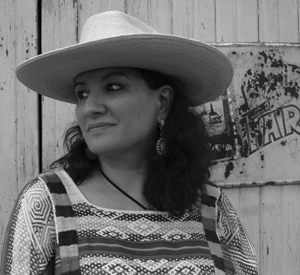


Style and themes
Cisneros's prose blends poetic economy with everyday speech. Her vignettes are short, image-driven pieces that together create a portrait rather than a continuous plot. Common themes in her work include cultural identity, the immigrant experience, poverty and social class, gender roles, and the power of language. She often uses Spanish words and rhythms of oral storytelling alongside English, a choice that reflects bicultural realities and invites discussion about bilingualism and literary voice. Classroom materials and teaching guides exploring these themes are widely available; see educational resources.
Major works and reception
Beyond The House on Mango Street, Cisneros has published short-story and poetry collections and novels that expand on similar preoccupations. Notable titles include:
- The House on Mango Street (linked vignettes; coming-of-age focus)
- Woman Hollering Creek and Other Stories (short fiction)
- Caramelo (family saga and memoir-like novel)
Her books have been translated into multiple languages; information on translations and international editions can be found via publishers and literary resources such as translation listings. The House on Mango Street in particular is widely assigned in middle and high school curricula because of its accessible language and rich themes, though it has sometimes been the subject of local challenges due to frank discussions of gender and social issues.
Education and literary development
Cisneros grew up in a large Mexican-American family and pursued higher education in Illinois and Iowa. She studied at Loyola University in Chicago and later attended graduate writing programs, which helped shape her craft and led to an early career as a poet and short-story writer. For institutional records and alumni information, see Loyola University. Her experience as a woman of Mexican descent in the United States informs her attention to borders—literal and cultural—and to the politics of voice and representation.
Importance and distinctions
Sandra Cisneros is often cited as a central figure in Chicana and Latino literature in the United States. Her writing opened space for Latina narratives in mainstream classrooms and inspired many younger writers. Critics and readers praise her for her spare, evocative style and her capacity to condense complex social realities into brief, memorable scenes. She has engaged with topics that cross race, class, and gender lines and is frequently discussed in conversations about multiculturalism and literary inclusion; see discussions on social themes at further reading.
Cisneros's work remains widely read and taught, valued both for its artistic qualities and for the way it articulates experiences sometimes absent from earlier American literary canons. For interviews, essays, and primary texts, literary archives and publisher pages provide authoritative starting points: biography, translations, and teaching guides.
Questions and answers
Q: Who is Sandra Cisneros?
A: Sandra Cisneros is an author from Chicago, Illinois.
Q: What is Sandra Cisneros famous for?
A: Sandra Cisneros is famous for her book "The House on Mango Street."
Q: How many copies has "The House on Mango Street" sold?
A: "The House on Mango Street" has sold six million copies.
Q: What is a vignette?
A: A vignette is a series of stories or a brief description of something.
Q: What is "The House on Mango Street" about?
A: "The House on Mango Street" is a series of vignettes about a girl who goes through childhood to adulthood changes.
Q: Where did Sandra Cisneros study?
A: Sandra Cisneros studied at Loyola University of Chicago and the University of Iowa.
Q: What are Sandra Cisneros' books about?
A: Sandra Cisneros' books are about issues between other races, classes, and genders.
Related articles
Author
AlegsaOnline.com Sandra Cisneros: Mexican-American author of The House on Mango Street Leandro Alegsa
URL: https://en.alegsaonline.com/art/86989
Sources
- womenshistory.org : "Sandra Cisneros"
- biography.com : "Sandra Cisneros"
- famousauthors.org : "Sandra Cisneros | Biography, Books and Facts"