
San Pedro de Macorís — coastal city in the Dominican Republic
San Pedro de Macorís is a coastal city and capital of its province in southeastern Dominican Republic, known for its port, sugar-industry heritage, cultural mix and for producing many professional baseball players.
San Pedro de Macorís is a coastal city in the Dominican Republic. It functions as the head municipality and principal urban center of the San Pedro de Macorís province. Locally it is often called Macorís del mar to distinguish it from other towns with similar names; the formal municipal seat is sometimes referenced as the municipio cabecera of the surrounding provincial territory.
Image gallery
10 Images


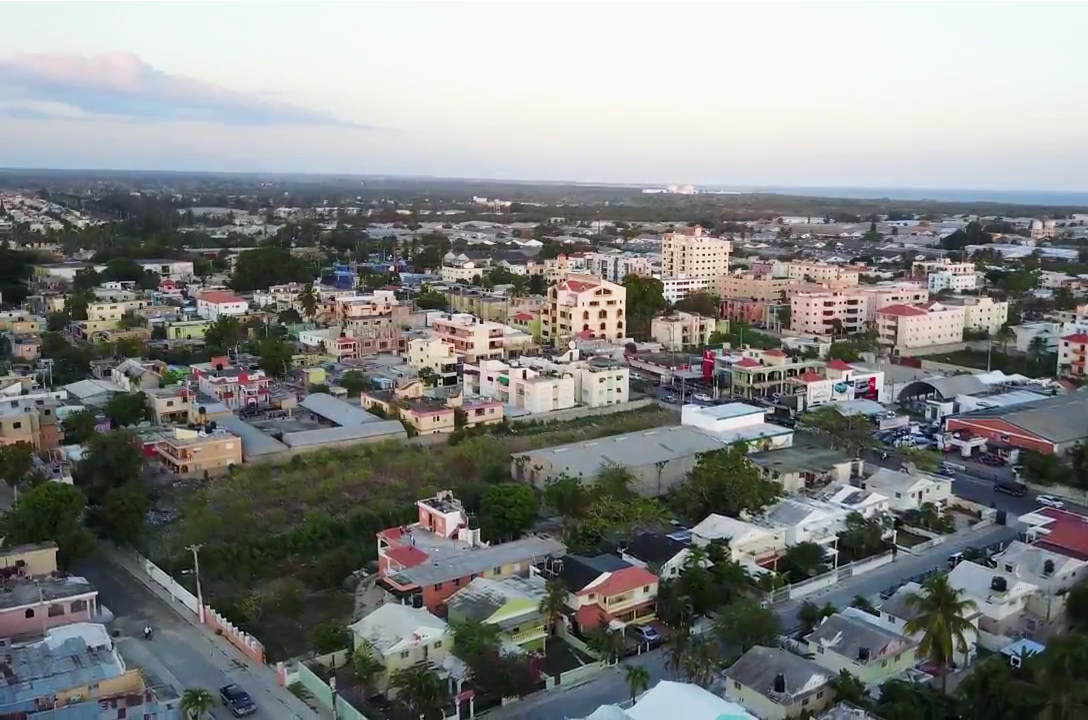
Geography and economy
The city lies on the southeastern shore of the island, beside an estuary formed by the nearby river and facing the Caribbean Sea. Its coastal location made it a natural port for the export of agricultural goods. For much of its modern history the local economy revolved around sugarcane cultivation and sugar processing, with docks and mills playing a central role. Today the economy is more mixed: agriculture and agroindustry remain important while commerce, light manufacturing and services support the urban population.
History and development
San Pedro de Macorís expanded significantly during the 19th and early 20th centuries as planters, merchants and immigrant labor — including people from neighboring Caribbean islands and Cuba — helped build the sugar economy and port infrastructure. Wealth generated by sugar influenced urban growth, public buildings and transport connections. Architectural traces of that period survive in older neighborhoods: wooden frame houses, early republican structures and later concrete commercial blocks erected during the sugar boom.
Culture, sport and community
The city has a distinct cultural identity shaped by Afro-Caribbean, creole and European influences brought by migration and trade. It is widely recognized for producing a disproportionately large number of professional baseball players who have reached international leagues. Local festivals, Carnival celebrations and culinary traditions reflect a blend of coastal and island cultures that remain central to civic life.
Notable aspects
- Port and transport: A historic export harbor that connected the province to international markets.
- Economic base: Historically dominated by sugar and related industries; now more diversified into services and light industry.
- Sports: Renowned source of baseball talent, with many athletes playing abroad.
- Names and distinction: Commonly called Macorís del mar to differentiate it from San Francisco de Macorís in the Duarte Province.
- Administrative role: The city serves as the principal municipal and regional service hub for its province.
Today San Pedro de Macorís remains an important southeastern hub: its port legacy, cultural vitality and sporting reputation continue to shape both local life and perceptions of the region within the broader national context.
Questions and answers
Q: What is San Pedro de Macorís?
A: San Pedro de Macorís is a city in the Dominican Republic.
Q: Where is San Pedro de Macorís located?
A: It is located in the southeast of the country.
Q: What is the nickname of San Pedro de Macorís?
A: The nickname of San Pedro de Macorís is Macorís del mar, which means "Macorís by the sea."
Q: Why is it called Macorís del mar?
A: It is called Macorís del mar to differentiate it from San Francisco de Macorís, which is located in the Duarte Province.
Q: What is the head municipality of San Pedro de Macorís province?
A: The city of San Pedro de Macorís is the head municipality of San Pedro de Macorís province.
Q: Where in the Dominican Republic is San Francisco de Macorís?
A: San Francisco de Macorís is located in the Duarte Province in the Dominican Republic.
Q: What is the significance of the nickname Macorís del mar?
A: The nickname Macorís del mar signifies that San Pedro de Macorís is located by the sea, as opposed to San Francisco de Macorís, which is not.
Related articles
Author
AlegsaOnline.com San Pedro de Macorís — coastal city in the Dominican Republic Leandro Alegsa
URL: https://en.alegsaonline.com/art/86911
Sources
- commons.wikimedia.org : San Pedro de Macorís
- one.gob.do : Oficina Nacional de Estadistica · web.archive.org
- one.gob.do : Oficina Nacional de Estadistica
- one.gob.do : "División Territorial 2015"
- s-p-macoris.climatemps.com : "S. P. Macoris Climate & Temperature"