
Samhain: Gaelic festival marking the end of harvest and beginning of winter
Samhain is a Gaelic festival observed on October 31–November 1 that marks the close of the harvest and the start of winter. It influenced Halloween and is observed in modern Pagan and Wiccan practice.
Overview
Samhain (pronounced "SOW-in") is a traditional Gaelic festival that marks the transition from the lighter half of the year to the darker half, commonly observed from the evening of October 31 into November 1. Historically celebrated in parts of Ireland, Scotland and the Isle of Man, it marked the end of the agricultural year and a time when seasonal labour and grazing cycles shifted.
Image gallery
8 Images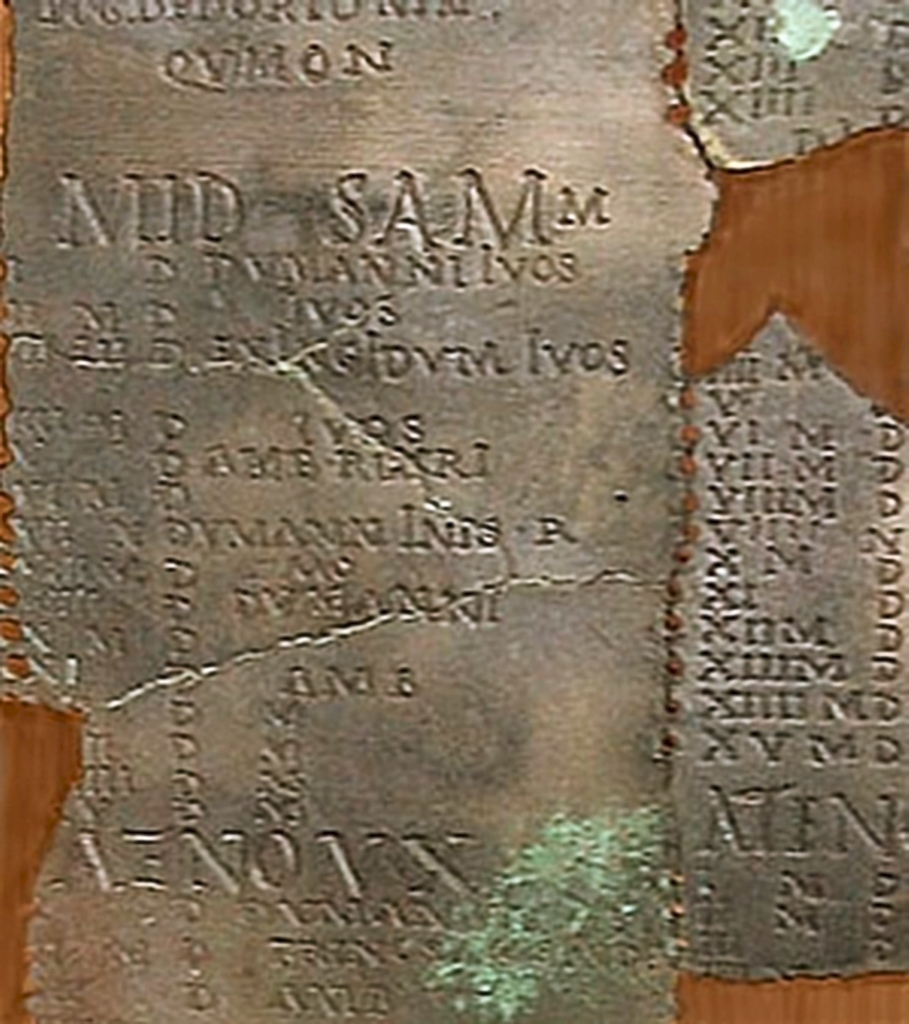




Customs and characteristics
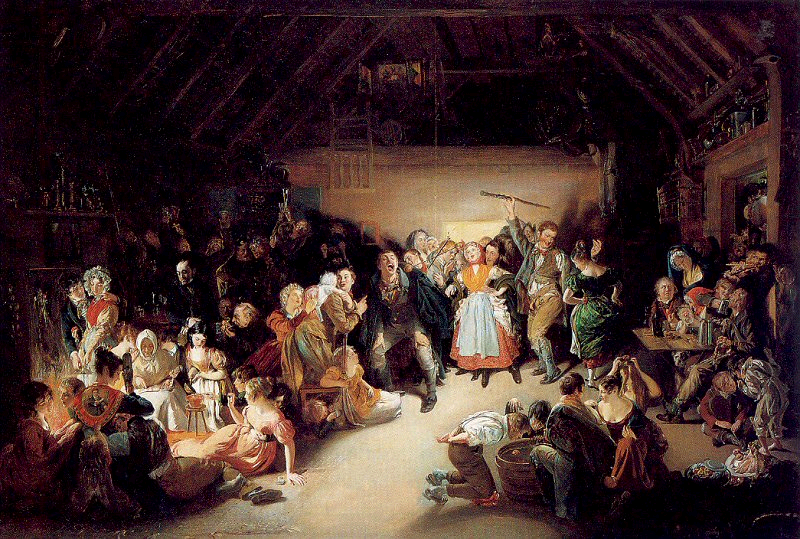
Traditional observances included community gatherings, bonfires, feasting, and rites intended to protect livestock and people during the coming winter. Practices associated with Samhain often focused on ancestors and the boundary between the living and the dead: people left offerings for household spirits, performed divination to learn about the future, and sometimes wore masks or costumes to disguise themselves from roaming spirits.
Historical development
Samhain developed within the older Celtic calendar framework as one of the four major seasonal festivals. With the spread of Christianity in Gaelic regions, aspects of Samhain were absorbed and reinterpreted in conjunction with Christian observances such as All Saints' Day and All Souls' Day. Over centuries this blending contributed to the emergence of customs now associated with All Hallows' Eve and, later, with Halloween.
Modern revival and variations
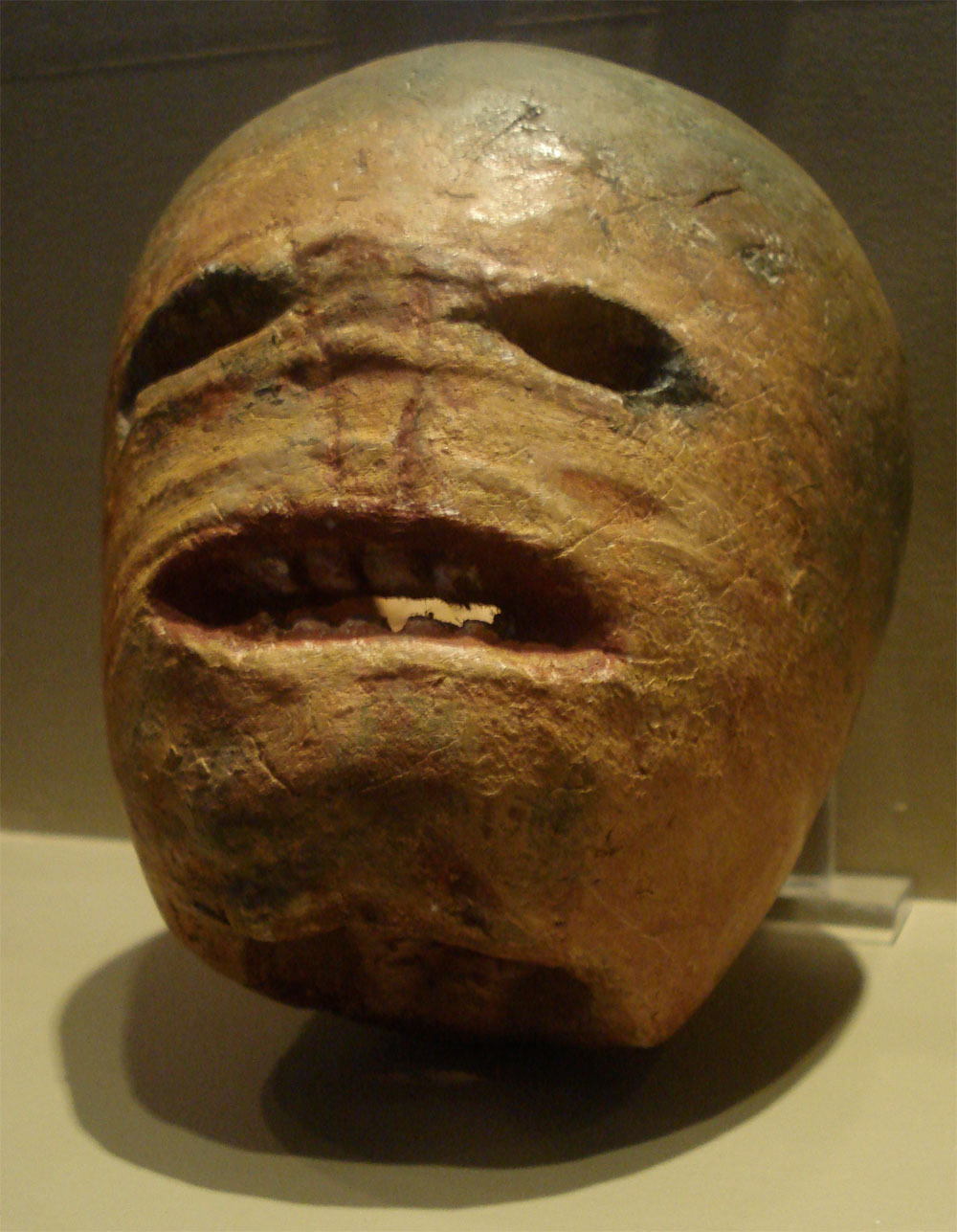
In the 20th and 21st centuries, there has been renewed interest in Samhain among folklorists, historians and members of modern Pagan and Wiccan communities. Contemporary celebrations vary widely: some people recreate historic rituals and seasonal meals, while others observe Samhain as a spiritual festival honoring ancestors, or incorporate it into neopagan liturgy. Many familiar Halloween elements—costumes, carved root vegetables, and an emphasis on the supernatural—trace part of their lineage to older Samhain practices.
Uses, significance and distinctions
Samhain served practical functions in rural societies (marking deadlines for rents, contracts and seasonal movements) as well as cultural ones (communal identity, storytelling, ritual). It is distinct from later commercialized Halloween in intent and ritual emphasis, though the two share overlapping customs. Scholars differentiate the ancient seasonal rites from modern re-imaginings, noting that surviving evidence combines archaeology, medieval literature and later folkloric records.
Further reading and resources
Questions and answers
Q: What is Samhain?
A: Samhain is a Gaelic celebration marking the end of the harvest season and the beginning of winter.
Q: How is Samhain pronounced?
A: Samhain is pronounced as SOW-in.
Q: Is Samhain celebrated in any other religions?
A: Yes, Samhain is also celebrated in Paganism and Wicca.
Q: What is the modern name for Samhain?
A: The modern name for Samhain is Halloween or All Hallows' Eve.
Q: When is Halloween celebrated?
A: Halloween is celebrated on the 31st of October.
Q: What is the significance of Samhain in Gaelic culture?
A: Samhain was a significant festival in Gaelic culture, marking the end of the harvest season when people would prepare for the long, dark winter months ahead.
Q: How is Samhain celebrated today?
A: Today, Samhain is celebrated by many people as Halloween, with costumes, trick-or-treating, and other festive activities.
Related articles
Author
AlegsaOnline.com Samhain: Gaelic festival marking the end of harvest and beginning of winter Leandro Alegsa
URL: https://en.alegsaonline.com/art/86676