
Salvia — the sage genus of the mint family
Salvia is a large genus of aromatic flowering plants in the mint family, including culinary sage and many ornamental species valued for foliage, flowers, and pollinator attraction.
Salvia is a diverse genus of flowering plants in the mint family (Lamiaceae) best known under the common name "sage." The group contains roughly several hundred to around nine hundred described species distributed worldwide, from Mediterranean woodlands to tropical mountains. The name Salvia is associated with traditional uses and the Latin root salvere, meaning to heal; the best-known species used in cooking and herbal medicine is common sage.
Image gallery
8 Images



Characteristics
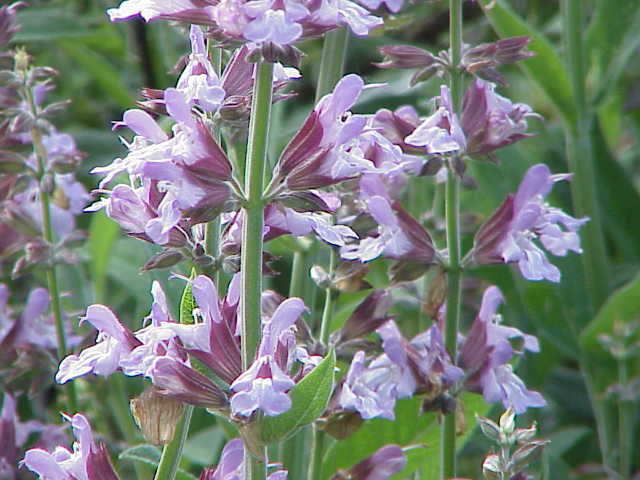
Members of Salvia vary in form from low-growing herbs to erect perennials and woody shrubs. Typical features include opposite leaves, square stems, aromatic essential oils in foliage, and a distinctive two-lipped (bilabiate) flower shape adapted for pollinators. Many species are valued for fragrance as well as their showy inflorescences.
- Growth forms: shrubs, subshrubs, herbaceous perennials, and annuals.
- Family: part of the Lamiaceae, which includes other aromatic herbs such as mint and basil.
- Floral traits: bilabiate corollas and specialized staminal lever mechanisms in many species that encourage pollen transfer.
History and taxonomy
The genus has a long association with human use, especially in the Mediterranean where several species have been cultivated for centuries. Taxonomically, Salvia has been re-examined by botanists using modern methods; molecular studies have clarified relationships within the group and led to some reclassification of species. Despite technical shifts, the common concept of "sage" remains anchored by culinary species such as Salvia officinalis.
Uses and importance
Salvia species are grown for multiple purposes. Culinary sages are prized for their leaves in savory dishes and for aromatic oils. Many species are popular in gardens and landscapes as ornamental plants, offering long-lasting blooms and providing nectar for bees, butterflies, and hummingbirds. Some Salvias have been used in traditional medicine; others are cultivated for cut flowers or as drought-tolerant landscape plants.
Practical cultivation notes
Gardeners choose Salvia for varied textures and colors: low mounds for edging, tall spikes for background or pollinator beds. Most prefer well-drained soil and full sun, with pruning or division to maintain vigor in perennial types. Seed, cuttings, and nursery-grown plants are common sources for establishing new specimens.
Distinctions and notable facts
Although "sage" in everyday language often refers specifically to culinary common sage, botanists use Salvia to embrace a wide array of species, from ornamental garden salvias to wild mountain species. The genus is a prominent member of the Lamiaceae and illustrates the family's hallmark aromatic leaves and bilabiate flowers. For further introductory resources on classification and species lists, see general links on the genus and its uses (genus overview, shrub forms, annual varieties).
Questions and answers
Q: What is Salvia?
A: Salvia is a genus in the mint family, Lamiaceae.
Q: What are the three genera commonly referred to as Sage?
A: Salvia is one of the three genera commonly referred to as Sage.
Q: What does Sage generally mean?
A: Sage generally means common sage (Salvia officinalis).
Q: What types of plants are included in the Salvia genus?
A: The Salvia genus includes shrubs, herbaceous perennials, and annuals.
Q: Are different species of sage grown as herbs or as ornamental plants?
A: Yes, different species of sage are grown as herbs and as ornamental plants.
Q: What are the ornamental species of Salvia commonly referred to as?
A: The ornamental species of Salvia are commonly referred to by their scientific name Salvia.
Q: Which family does Salvia belong to?
A: Salvia belongs to the mint family, Lamiaceae.
Related articles
Author
AlegsaOnline.com Salvia — the sage genus of the mint family Leandro Alegsa
URL: https://en.alegsaonline.com/art/86593
Sources
- itis.usda.gov : itis.usda.gov
- commons.wikimedia.org : Salvia