
Bamar (Burmese people): overview, language, history and culture
The Bamar (Burmese or Burmans) are the majority ethnic group of Myanmar, concentrated in the Irrawaddy basin. This article summarizes their language, religion, history, cultural traits, and contemporary role.
Overview
The Bamar, often called Burmese or Burmans in English, are the largest ethnic group in Myanmar. They are concentrated chiefly in the lowland plains around the Irrawaddy River and have historically been influential in the country’s political and cultural life. The name Bamar refers both to the ethnic group and, in everyday speech, to the dominant national culture.
Image gallery
10 Images


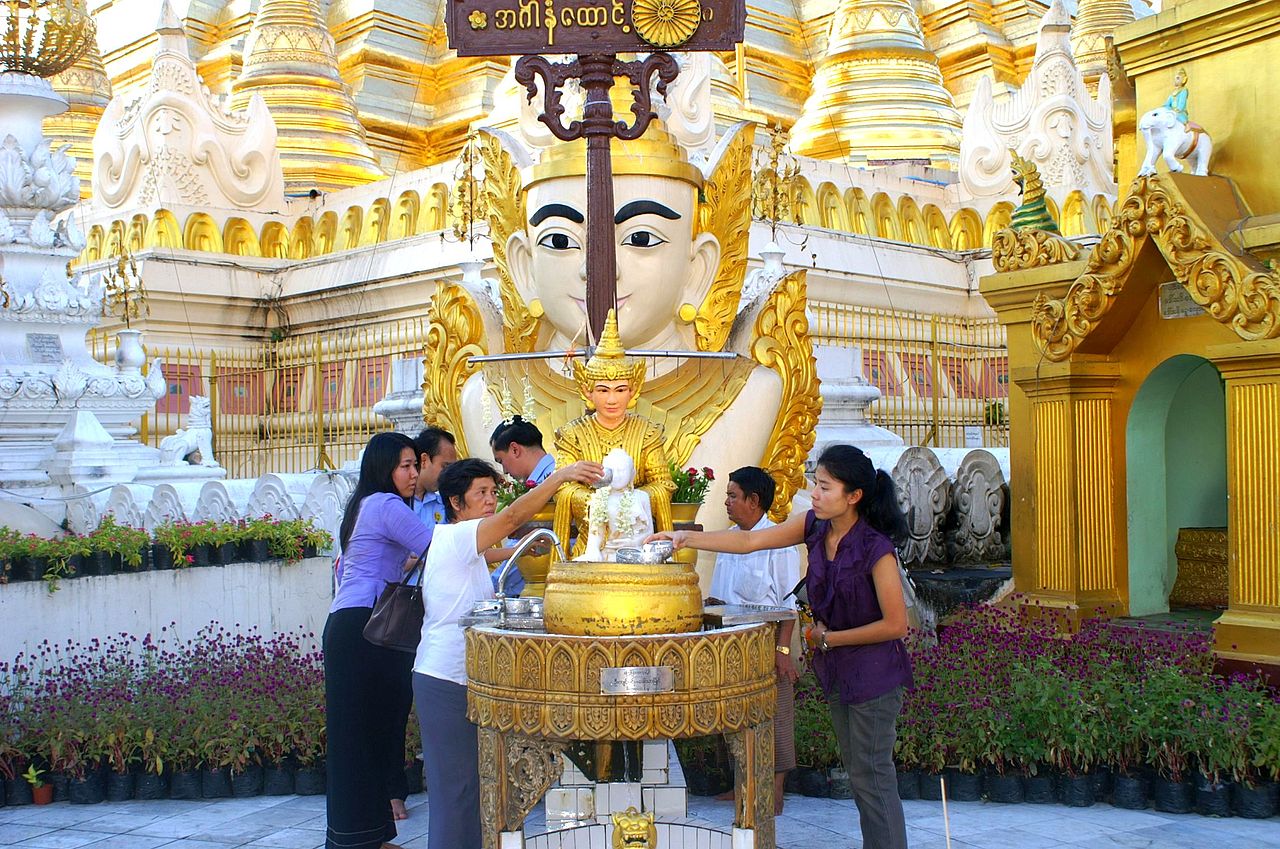


Language and belief
The Bamar speak the Burmese language, which serves as the official language of the state and as a lingua franca among many communities in Myanmar. Most Bamar follow Theravada Buddhism, and Buddhist teachings and monastic institutions play a central role in social and moral life.
Key cultural traits
- Traditional dress: garments such as the longyi are widely worn.
- Festivals: water festivals and lunar new year celebrations are important communal events.
- Cuisine: rice-based dishes and regional specialties feature prominently in everyday meals.
Historical background
Bamar-speaking peoples expanded into the Irrawaddy valley centuries ago and formed early states that shaped what became modern Myanmar. Most historians point to the development of powerful polities in the plains during the first millennium and medieval periods, which fostered Burmese language, script and Buddhist institutions.
Contemporary role and distinctions
As the majority group, the Bamar have often held dominant positions in government and culture, a fact that has influenced relations with the country's many other ethnic communities. Discussions about identity and citizenship use the term "Burmese" in both ethnic and civic senses, which can cause ambiguity; some people reserve Bamar for the ethnic group and use other terms for nationality. For further context on language and regional variation see Burmese language resources and general background on the country at Irrawaddy basin studies and Myanmar overviews.
Understanding the Bamar involves looking at history, religion, and everyday culture, as well as contemporary politics and interethnic relations across Myanmar.
Questions and answers
Q: Who are the Bamar?
A: The Bamar are the largest ethnic group in Myanmar who predominantly live around the Irrawaddy River and speak the Burmese language.
Q: What is the official language of Myanmar?
A: The official language of Myanmar is the Burmese language, which the Bamar also speak.
Q: Why are the Bamar important in Myanmar?
A: The Bamar are important in Myanmar because they are the largest ethnic group in the country.
Q: What language do the Bamar speak?
A: The Bamar speak the Burmese language.
Q: Where do the Bamar live?
A: The Bamar predominantly live around the Irrawaddy River.
Q: What is the meaning of the Burmese name for the Bamar?
A: The Burmese name for the Bamar, "bama loo-myo," means "Burmese people."
Q: How significant is the Bamar population in Myanmar's demographic makeup?
A: The Bamar population is the largest ethnic group in Myanmar, therefore, they have a significant impact on the country's demographic makeup.
Author
AlegsaOnline.com Bamar (Burmese people): overview, language, history and culture Leandro Alegsa
URL: https://en.alegsaonline.com/art/8626
Sources
- cia.gov : CIA World Factbook – Thiland
- cia.gov : "The World Factbook — Central Intelligence Agency"
- ncbi.nlm.nih.gov : "Large-scale mitochondrial DNA analysis in Southeast Asia reveals evolutionary effects of cultural isolation in the multi-ethnic population of Myanmar"
- doi.org : 10.1186/1471-2148-14-17
- pubmed.ncbi.nlm.nih.gov : 24467713