
Adam Mickiewicz: Polish Romantic Poet, Thinker and National Figure
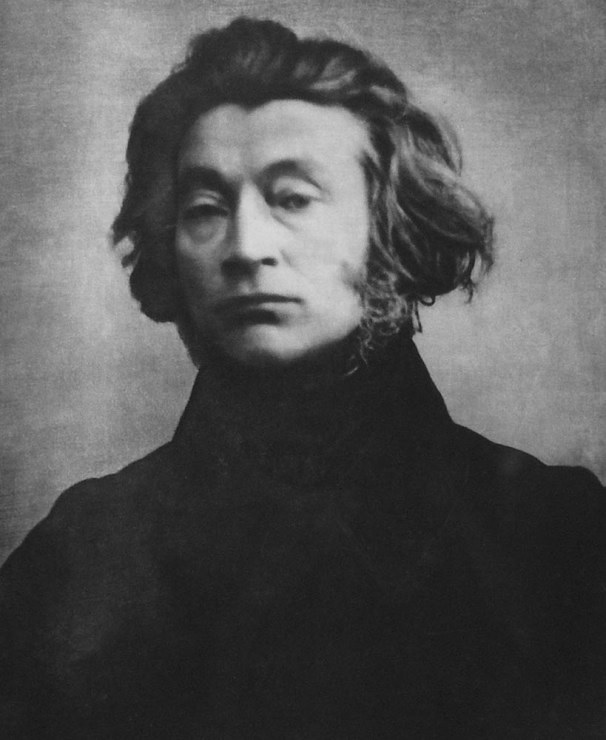
Adam Mickiewicz (1798–1855) was a leading Polish Romantic poet and public intellectual, author of Pan Tadeusz and Dziady, a promoter of Polish national identity and a lecturer on Slavic literature in Paris.

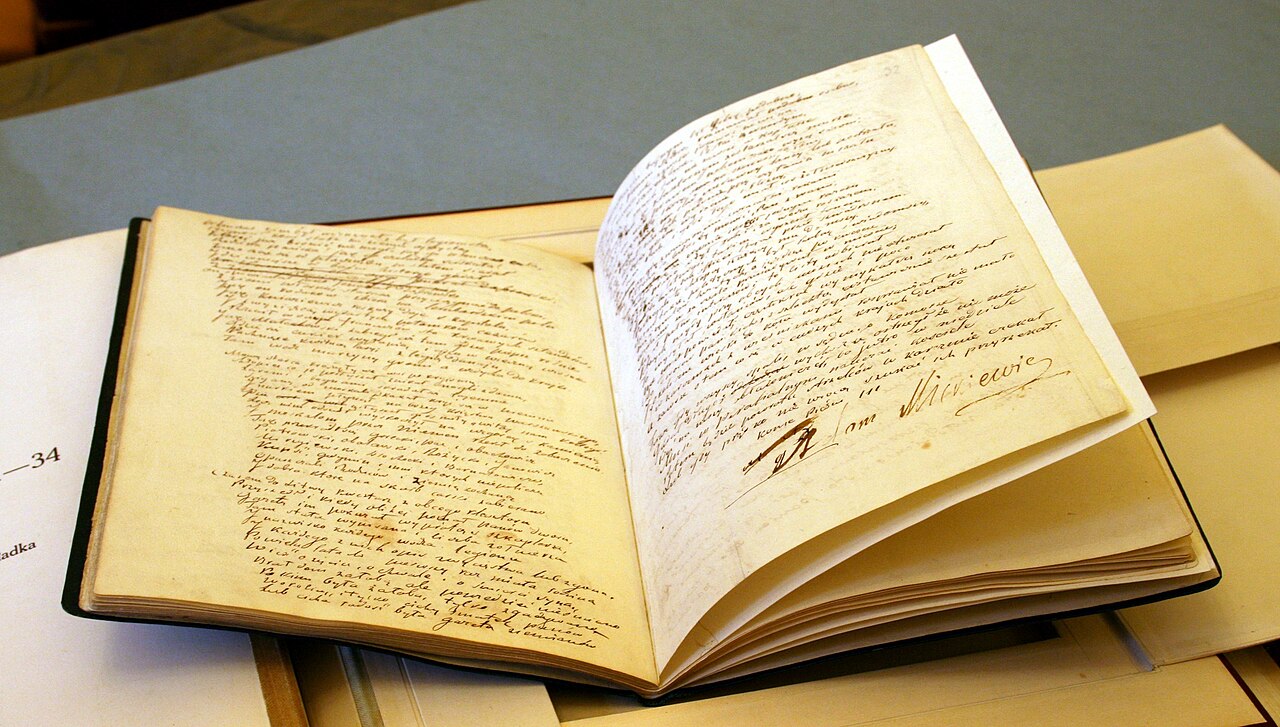
Adam Mickiewicz (24 December 1798 – 26 November 1855) is widely regarded as the foremost poet of Polish Romanticism and one of the central figures in Polish literature. His works combined folklore, lyric intensity and epic narrative to address themes of national identity, historical memory and spiritual destiny. He is best known for the narrative epic Pan Tadeusz and the poetic drama Dziady (Forefathers' Eve), and his ideas helped shape 19th‑century debates about culture and politics.
Image gallery
10 Images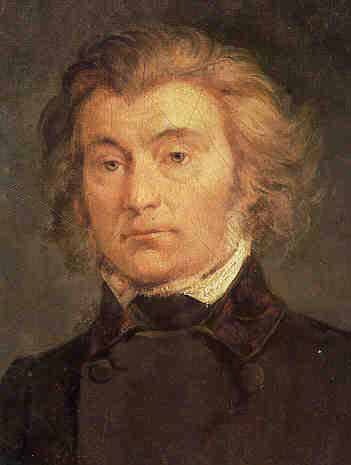





Literary characteristics and major themes
Mickiewicz's writing mixes romantic imagination with moral urgency. He drew on folk traditions, popular superstition, and historical legend to produce verse that was both intimate and expansive. Recurring motifs include exile and return, the suffering of the nation, prophetic and messianic visions, and the moral responsibilities of individuals to community and homeland. His language ranges from colloquial storytelling to elevated, religiously inflected rhetoric.
Life, education and travels
Born in a region of the former Polish–Lithuanian Commonwealth, Mickiewicz studied at the University of Vilnius and belonged to student groups that promoted Polish culture and learning. Suppressed political activity and the partitions of Poland led to periods of arrest and eventual emigration. He spent years in Russia, Italy, Switzerland and finally Paris, where he engaged with other émigré activists and intellectuals and later lectured on Slavic literature at the Collège de France.
Politics, philosophy and the idea of nation
Beyond poetry, Mickiewicz was active as a public intellectual. He became associated with the current now often called Polish Messianism, which interpreted Poland's historical sufferings as having redemptive or prophetic significance for Europe. While not a soldier, he supported émigré political causes and sought international sympathy for Polish independence during a period of exile and partition.
Selected works and forms
- Pan Tadeusz — an epic poem evoking an idealised Polish countryside and social world, important for national memory (see).
- Dziady — a dramatic cycle with mystical and political dimensions (see).
- Konrad Wallenrod and other poems — narratives exploring moral dilemmas and national struggle.
Death and legacy
Mickiewicz died in Constantinople in 1855 while involved in efforts related to Polish émigré causes; contemporary accounts differ on the immediate cause of death. His stature in Poland and among Slavic readers grew steadily after his death: his works are taught in schools, widely translated, and remain touchstones of Polish national culture. Monuments, commemorations and continued scholarly debate attest to his lasting influence as poet, thinker and symbol of 19th‑century Polish aspirations.
For further reading about his role in the broader Polish Romantic movement and his publications, follow scholarly editions and annotated translations available in major libraries and academic collections.
Questions and answers
Q: Who was Adam Bernard Mickiewicz?
A: Adam Bernard Mickiewicz was a national Polish Romantic poet and a political activist.
Q: When was Adam Bernard Mickiewicz born and when did he die?
A: Adam Bernard Mickiewicz was born on 24 December 1798 and he died on 26 November 1855.
Q: What is Adam Bernard Mickiewicz known for in literature?
A: Adam Bernard Mickiewicz is generally regarded as the greatest figure in Polish literature, especially known for his epic poem Pan Tadeusz.
Q: What was Adam Bernard Mickiewicz's profession apart from being a poet?
A: At the later phase of his life, Adam Bernard Mickiewicz was a Messianic philosopher who lectured Slavic languages at Collège de France.
Q: Why is Adam Bernard Mickiewicz known as a Messianic philosopher?
A: Adam Bernard Mickiewicz was known as a Messianic philosopher because of his ideas that Slavic peoples could present an alternative to Western culture and as a visionary who believed that Slavic nations had a special mission in the world.
Q: What was Adam Bernard Mickiewicz's role at Collège de France?
A: At Collège de France, Adam Bernard Mickiewicz lectured Slavic languages.
Q: What is the significance of Adam Bernard Mickiewicz to Polish literature?
A: Adam Bernard Mickiewicz is generally regarded as the greatest figure in Polish literature, and his works continue to be celebrated and studied in Poland and around the world.
Related articles
Author
AlegsaOnline.com Adam Mickiewicz: Polish Romantic Poet, Thinker and National Figure Leandro Alegsa
URL: https://en.alegsaonline.com/art/860