
Saint-Laurent-du-Maroni
A riverfront town and subprefecture in French Guiana on the Maroni River, known for its colonial penal history, diverse cultural mix, and role as a cross‑border gateway to Suriname.
Saint-Laurent-du-Maroni is a commune and subprefecture in French Guiana, an overseas region and department of France on the northeastern coast of South America. Located on the left bank of the Maroni River, the town faces Suriname and functions as one of the principal border crossings in the region. It is the second most populous urban center in French Guiana after Cayenne and serves as an administrative, commercial and transport hub for the surrounding interior.
Image gallery
10 Images


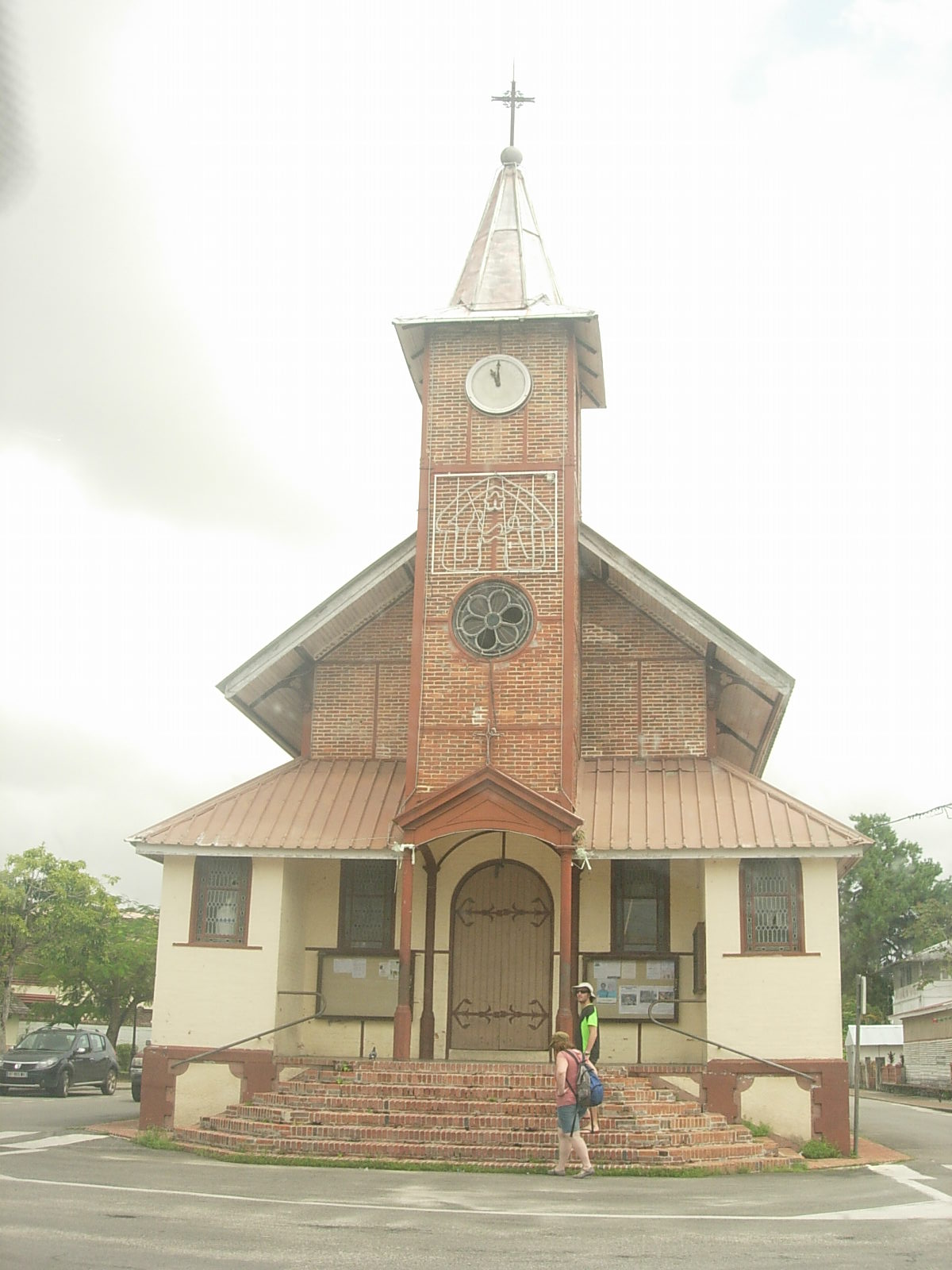
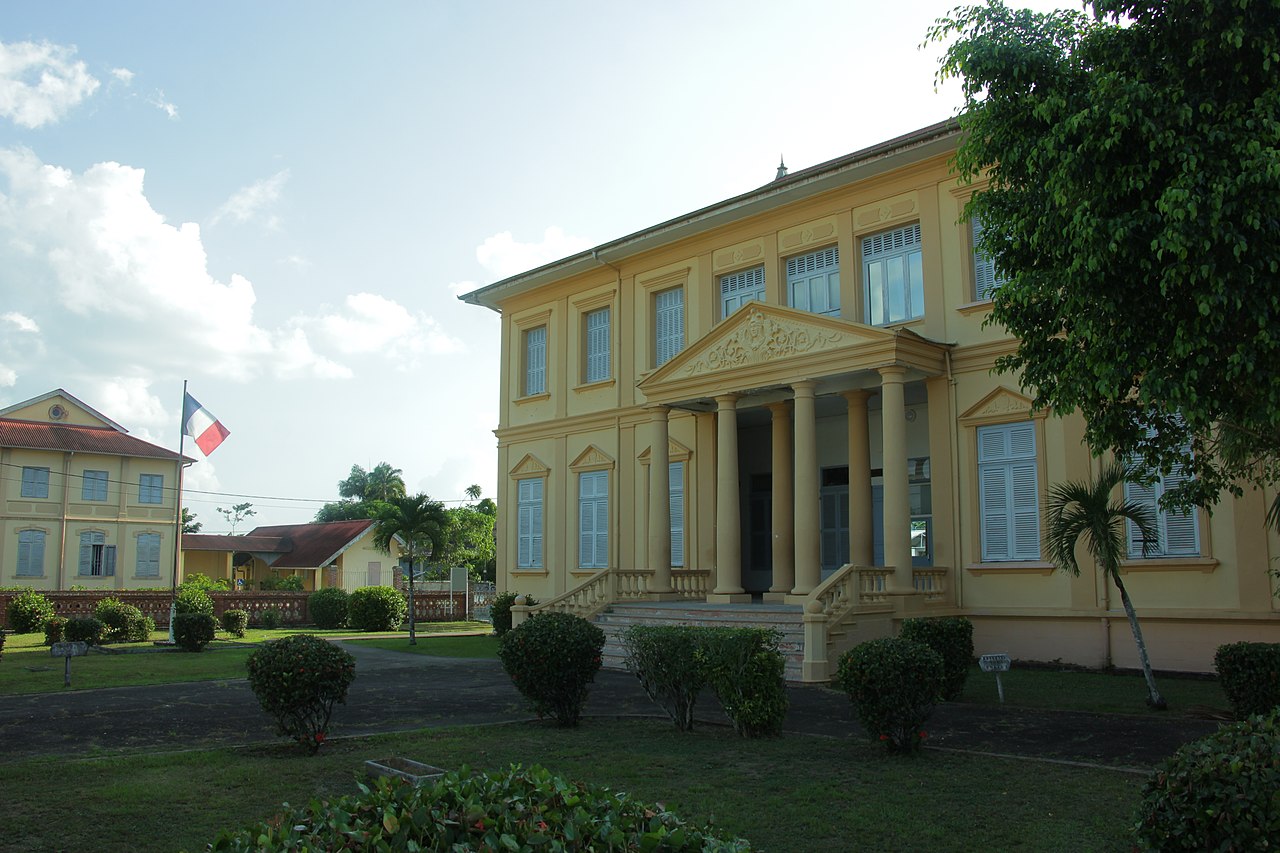


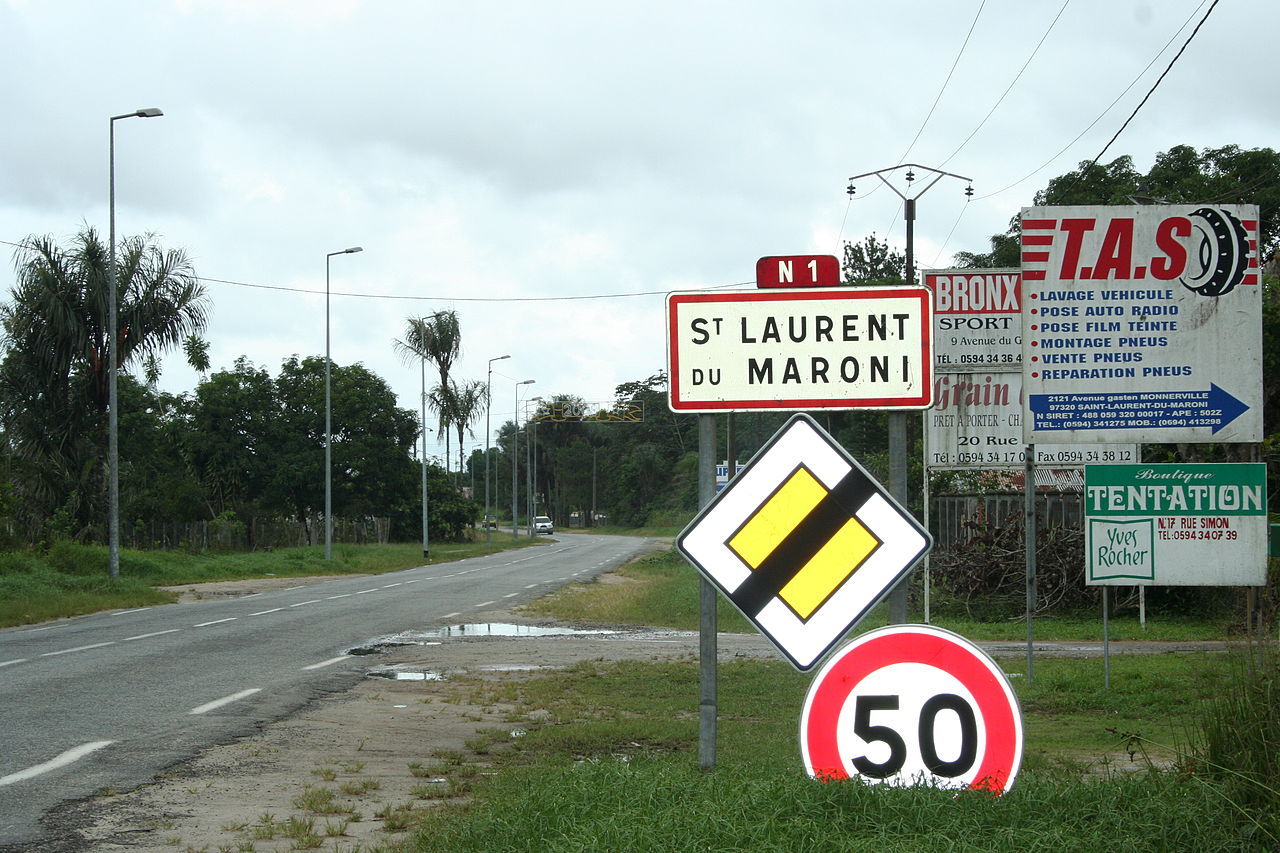

Geography and population
The town's position on the Maroni makes river transport central to daily life. Settlement extends from a compact urban core into forested hinterlands and smaller riverside villages. The population is ethnically and linguistically diverse: people of Creole, Maroon (Bushinengue), Amerindian and metropolitan French origin live in the area, and multiple languages are commonly heard alongside official French.
Historical background
Saint-Laurent-du-Maroni developed significant institutional importance during the colonial era. It was the shore-based administrative center associated with France's penal system in Guiana, and remnants of that period—former prison camps and related infrastructure—remain visible and have shaped local memory and heritage. Over time the town transitioned from a penal administration post to a civilian municipal and subprefectural center.
Economy and transport
The local economy blends public administration, cross‑border trade, river fishing, small‑scale agriculture and services. Regular river links connect Saint-Laurent-du-Maroni with communities upriver and with the town of Albina on the Surinamese bank via ferry. Road connections link the town to other parts of French Guiana, while the Maroni itself remains essential for freight and passenger movements into the interior.
Culture, tourism and notable sites
Visitors often come to learn about the town's penal past, to explore riverside markets and to use Saint‑Laurent-du-Maroni as a base for excursions into rainforest and to traditional Maroon and Amerindian villages. Important local points of interest include:
- Heritage sites associated with the former penal administration and memorials that interpret that history.
- Riverside market and quay, where cross‑border commerce is visible and small boats depart for upriver trips.
- Access to natural areas and community‑based tourism initiatives that introduce visitors to biodiversity and local cultures.
Distinctions and contemporary issues
Saint-Laurent-du-Maroni is often highlighted for its role as both a border gateway and a repository of difficult colonial legacies. Contemporary challenges include managing sustainable development, balancing conservation of extensive natural areas with growth, and fostering intercultural exchange across the Maroni. For practical information about administration, transport and visitor services see official resources and local guidance available through regional portals such as subprefectural services and tourism pages referenced by regional authorities (continental context and capital links), or general information issued by the department (national framework).
Questions and answers
Q: Where is Saint-Laurent-du-Maroni located?
A: Saint-Laurent-du-Maroni is a commune and subprefecture of the French Guiana, an overseas region and department of France that is in northern South America.
Q: What type of town is Saint Laurent du Maroni?
A: Saint Laurent du Maroni is a border town in northwest French Guiana.
Q: How populous is the city compared to other cities in French Guiana?
A: It is the second most populous city of French Guiana, after Cayenne.
Q: Is French Guiana part of France?
A: Yes, French Guiana is an overseas region and department of France.
Q: What continent does French Guiana belong to?
A: French Guiana belongs to South America.
Q: Is Saint Laurent du Maroni located on the coast or inland?
A: Saint Laurent du Maroni is located inland.
Related articles
Author
AlegsaOnline.com Saint-Laurent-du-Maroni Leandro Alegsa
URL: https://en.alegsaonline.com/art/85799
Sources
- saintlaurentdumaroni.fr : "Le Maire et ses élus"
- insee.fr : "Commune de Saint-Laurent-du-Maroni (97311)"
- insee.fr : "Régions, départements, arrondissements, cantons et communes"
- 97320.com : "Historique de Saint Laurent du Maroni"
- insee.fr : "Commune de Saint-Laurent-du-Maroni (97311)"
- map-france.com : "City of Saint-Laurent-du-Maroni"
- weatherbase.com : "Saint-Laurent-du-Maroni, French Guiana - Köppen Climate Classification"
- habitants.fr : "Guyane"