
Saint Barthélemy (Saint Barts) — French Caribbean collectivity
Saint Barthélemy, commonly Saint Barts, is a small French Caribbean island known for luxury tourism, a Swedish colonial history, and its 2007 status change to an overseas collectivity of France.
Overview
Saint Barthélemy, often called Saint Barts or St Barths, is a small Caribbean island and surrounding islets that form a French overseas collectivity. The compact territory is renowned for its rocky hills, white-sand beaches and an economy focused on upscale tourism and yachting. The island's administrative center is the port town of Gustavia, which retains a distinctive mix of French and Scandinavian architectural traces.
Image gallery
10 Images






Geography and environment
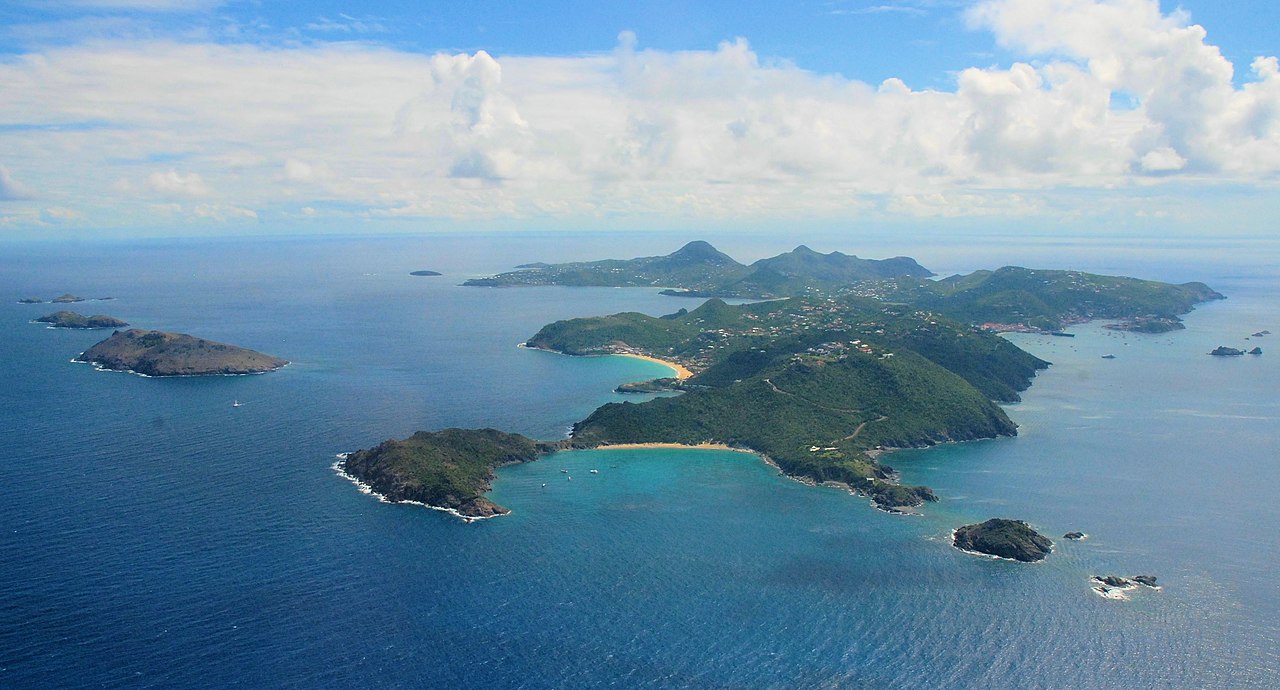
Located in the Caribbean Sea among the Leeward Islands, Saint Barthélemy covers roughly 21 km². The terrain is hilly with a narrow coastal plain; its best-known beaches are tucked between granite headlands. The island's climate is tropical, with a dry season and a wetter hurricane season. Small offshore islets and coral formations surround the main island and contribute to marine biodiversity that supports diving and snorkeling activities.
History and political status
European settlement began under French influence; in the late 18th century the island was ceded to Sweden and remained under Swedish administration for nearly a century before reverting to France in the late 19th century. In the early 21st century residents sought greater local autonomy: after a 2003 vote to separate from the administrative link with Guadeloupe, the French Parliament enacted a new status for the island. The change took legal effect in February 2007, creating the Collectivity of Saint-Barthélemy as a distinct territorial entity within the French Republic.
For reference to official names and legal texts see official French designation and background on the decision to become a separate overseas collectivity. The island remains linked to France in matters of nationality, defense and international representation, and its location in the Caribbean places it among the Leeward Islands. Previously the island was administered as part of Guadeloupe, and that historical connection explains earlier arrangements with the European Union.
Administration and economy
After the 2003 local vote and the legislative steps that followed—including actions in the French legislature—the new status was established by laws passed by the French Parliament and published in the official records, with a formal date referenced here (22 February 2007). The island's institutions now combine local councils with ties to metropolitan France for key public services. Discussions and legal texts related to the transition are available via official notices dated around the 2007 period.
The economy is dominated by tourism targeted at affluent visitors: luxury hotels, marinas, fine dining and duty-free shopping support much of the island's income. Additional livelihoods include small-scale fishing, limited agriculture and services that cater to yachting and private aviation. Transport links are modest: a compact airport handles short commercial and private flights, and the harbor at Gustavia facilitates regular yacht traffic and ferry connections.
Culture, attractions and distinctions
Saint Barthélemy blends French language and Caribbean island culture with lingering Swedish place names and historic buildings. Attractions include scenic coastal vistas, watersports, and a calendar of seasonal festivals that highlight gastronomy and music. The island is often described as a playground for celebrities and wealthy travelers, which shapes its real estate market and hospitality sector. Despite its small size, Saint Barts maintains a distinct identity within the wider Caribbean and within France.
Practical notes
- Visitors should plan for premium prices, especially during high season, and book accommodations and moorings in advance.
- Local administration handles most civic services, while national matters are coordinated with metropolitan authorities.
- For more detailed legal, travel and historical resources consult official and specialist sources: official designation, regional governance references Guadeloupe links, and wider contextual material on the Caribbean and Leeward Islands.
Questions and answers
Q: What is the official name of Saint-Barthélemy?
A: The official name of Saint-Barthélemy is the Collectivity of Saint-Barthélemy.
Q: When was it created?
A: It was created on 22 February 2007.
Q: What islands does it consist of?
A: It consists of the island of Saint-Barthélemy and neighboring small islands.
Q: Where is it located in relation to other islands?
A: It is located in the Caribbean among the Leeward Islands.
Q: How large is its land area?
A: Its land area is 21.0 km² (8.1 sq. miles).
Q: How did it become an overseas collectivity (COM) of France?
A: In 2003, the people voted in favour of becoming independent from Guadeloupe and a bill granting COM status to both Saint-Barthélemy and neighbouring Saint-Martin was passed by French Parliament on February 7, 2007 which took effect on 22 February 2007 when the law was published in the Official Journal.
Q: What makes St Barts a popular destination for tourists?
A: St Barts has long been considered a playground for the rich and famous and is known for its beautiful pristine beaches, gourmet dining in chic bistros and high-end designer shopping which makes it a popular tourist destination.
Related articles
Author
AlegsaOnline.com Saint Barthélemy (Saint Barts) — French Caribbean collectivity Leandro Alegsa
URL: https://en.alegsaonline.com/art/85410
Sources
- cia.gov : "Saint Barthelemy: People and Society"
- insee.fr : "Populations légales 2009 entrent en vigueur le 1er janvier 2012"
- caribbeannetnews.com : "French Caribbean voters reject change"
- st-barths.com : "Letter of Information from the Mayor to the residents and non-residents, to the French and to the foreigners, of Saint Barthelemy"
- newmedia-fr.info : newmedia-fr.info/