
Saffir–Simpson Hurricane Wind Scale
A five‑category system that classifies tropical cyclones by sustained wind speed to estimate likely wind damage; used in the Atlantic and northeastern Pacific but does not measure surge or rainfall.
Overview
The Saffir–Simpson Hurricane Wind Scale is a numerical system designed to rank tropical cyclones that have reached hurricane strength based on their sustained wind speed. It applies to storms that exceed the tropical storm threshold and assigns a category from 1 to 5. The primary purpose of the scale is to provide a simple indicator of potential wind damage at landfall; it is not a comprehensive measure of a storm's overall danger because it does not quantify rainfall, storm surge, or storm size. For those non-wind hazards see resources on storm surge and rainfall.
Image gallery
10 Images

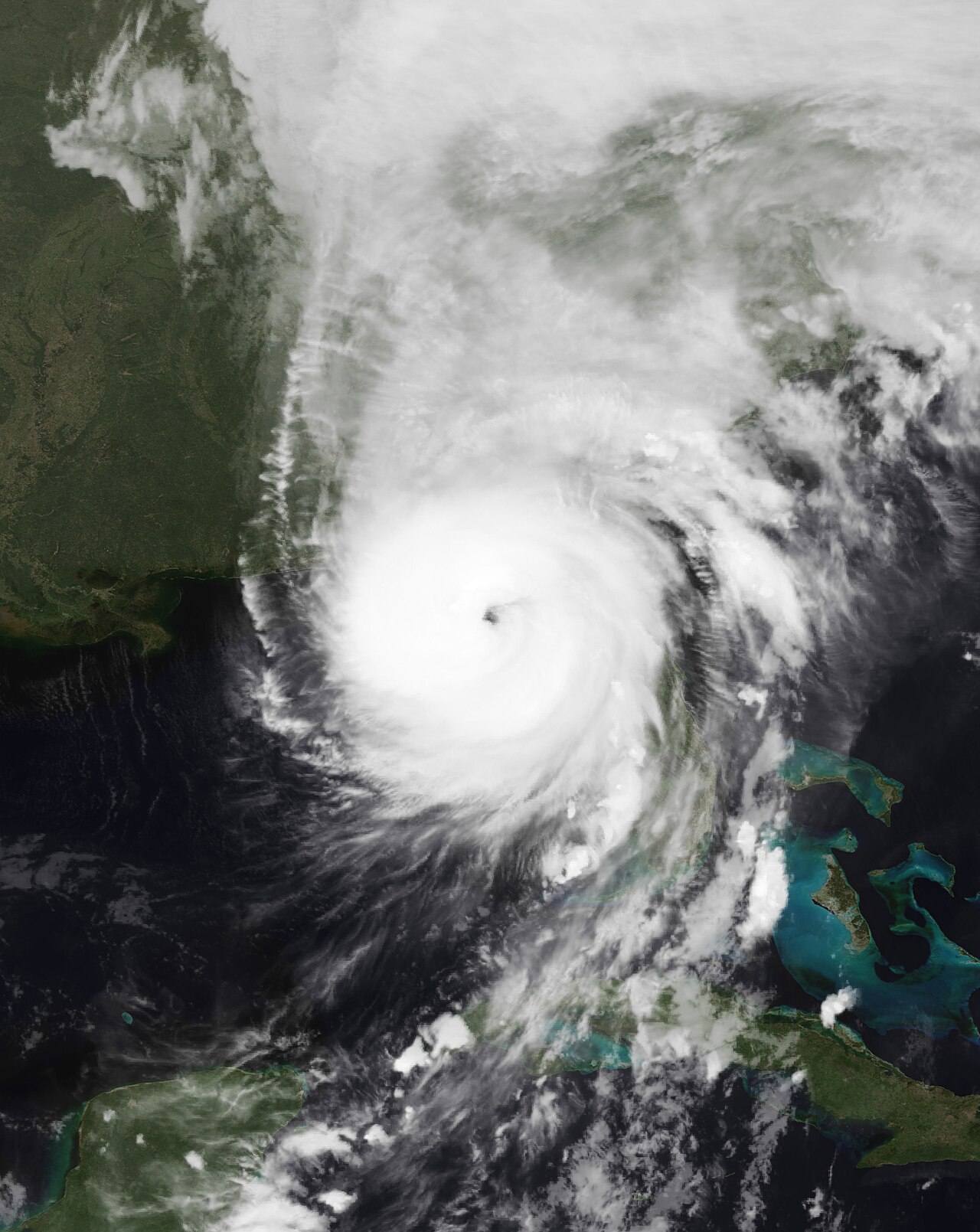


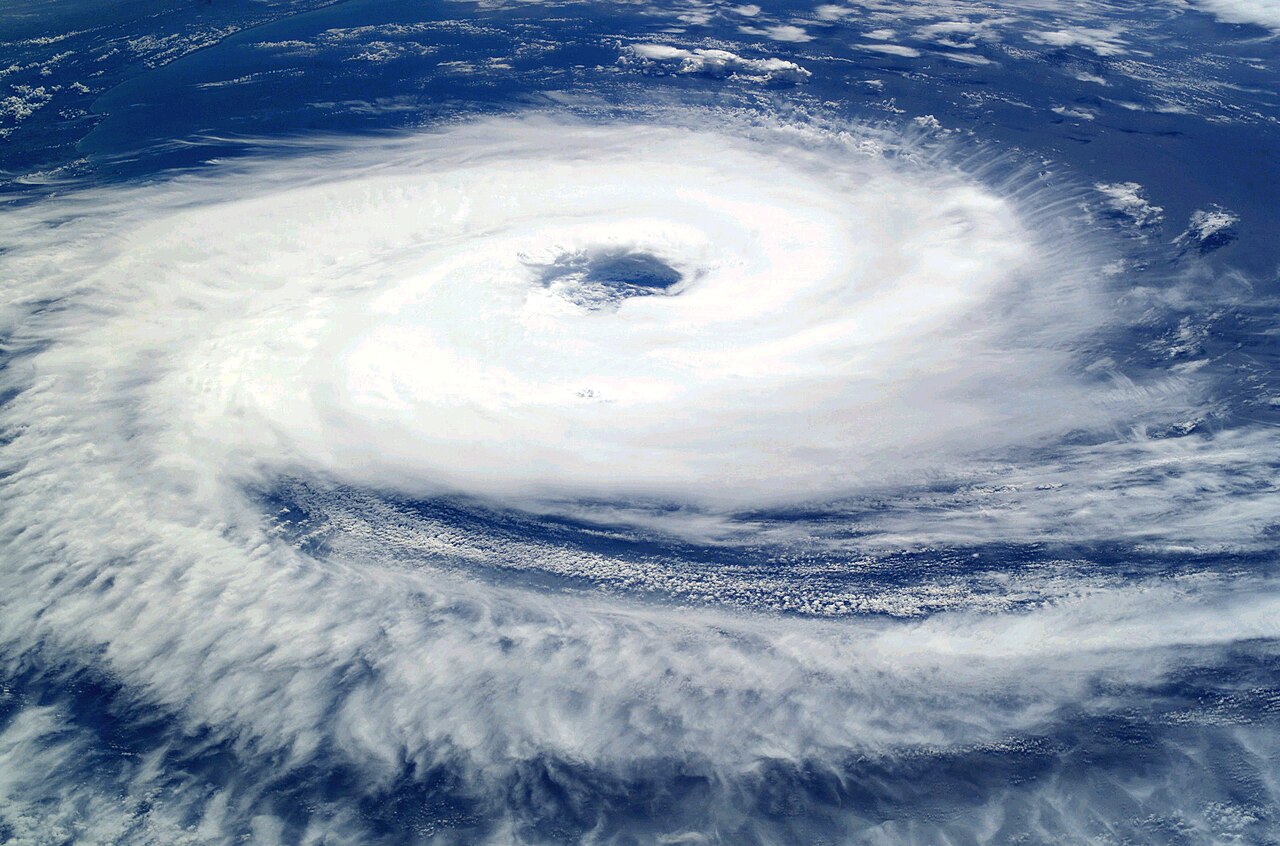


Categories and wind thresholds
Each category corresponds to a range of maximum sustained winds as measured by meteorological agencies. The scale relies on the standard meteorological definition of a maximum sustained wind (a 1‑minute average at about 10 meters above the surface, used by the issuing agencies). Roughly, the categories are:
- Category 1: winds of at least 74–95 mph (about 119–153 km/h)
- Category 2: winds of about 96–110 mph (154–177 km/h)
- Category 3: winds of about 111–129 mph (178–208 km/h)
- Category 4: winds of about 130–156 mph (209–251 km/h)
- Category 5: winds of 157 mph (252 km/h) or greater
History and development
The scale was developed in the early 1970s by civil engineer Herbert Saffir and meteorologist Robert Simpson to provide clear guidance about wind-related damage. Over time, agencies refined the public presentation and technical definitions. In later revisions the scale’s public description was narrowed to focus strictly on wind intensity, while other hazards associated with tropical cyclones are addressed by separate forecasts and advisories produced by agencies such as the National Hurricane Center.
Geographic application and specific rules
The Saffir–Simpson system is used for tropical cyclones in the Atlantic basin and the eastern North Pacific—that is, storms east of the International Date Line. In 2002 the practice was extended so that certain subtropical cyclones that attain sustained tropical‑storm‑force winds can be assigned a category when they meet the wind criteria.
Uses, limitations and examples
The scale is widely used by emergency managers, media and the public to communicate expected wind impacts and to help plan evacuations or building preparations. It does not indicate storm surge height, total rainfall, the spatial size of gale-force winds, or the forward speed of the storm—each of which can greatly affect outcomes. Because of these limitations, responsible forecasts combine the category with separate surge, rainfall, and wind-field maps and warnings. Well-known storms are often discussed by category at peak intensity or at landfall; however, category alone does not fully describe the danger posed by a particular cyclone.
Related scales and notable distinctions
Other ocean basins use different scales and naming conventions for tropical cyclones. The Saffir–Simpson scale is specific to hurricanes in the Atlantic and eastern Pacific and is distinct from, for example, the wind categories used by some Pacific and Australian agencies. For complete situational awareness, consult local forecasts and hazard products rather than relying solely on a category number.
For more technical and public guidance, consult official sources and the primary documentation provided by national meteorological services and emergency management agencies.
More on the Saffir–Simpson scale · Wind measurement standards · Storm surge information · Subtropical cyclone guidance · National Hurricane Center · Atlantic basin policies · Eastern North Pacific guidance · International Date Line reference
Questions and answers
Q: What is the Saffir-Simpson Hurricane Wind Scale?
A: The Saffir-Simpson Hurricane Wind Scale is a scale used to sort tropical cyclones in the Western Hemisphere. It categorizes hurricanes based on their maximum sustained wind speeds and is mainly used to predict possible wind damage when a hurricane makes landfall.
Q: Does the scale measure rainfall, storm surge or width of storms?
A: No, the scale does not measure rainfall, storm surge or how wide the storm is.
Q: Is this scale only used for Atlantic and Northern Pacific Ocean hurricanes?
A: Yes, the Saffir-Simpson Hurricane Scale is only used to describe hurricanes that form in the Atlantic Ocean and northern Pacific Ocean east of the International Date Line. Other areas use different classification scales and names for their tropical storms.
Q: When was this scale introduced?
A: The National Hurricane Center made changes to this scale in 2002 which allowed it to be used for subtropical cyclones as well.
Q: Are there any other uses for this scale besides predicting wind damage from landfalling hurricanes?
A: Not that are widely known or accepted by meteorologists and other experts in weather forecasting.
Q: What types of storms does this scale classify? A: This scale classifies storms that are stronger than "tropical storms" into categories based on their maximum sustained wind speeds.
Related articles
Author
AlegsaOnline.com Saffir–Simpson Hurricane Wind Scale Leandro Alegsa
URL: https://en.alegsaonline.com/art/85218
Sources
- nhc.noaa.gov : nhc.noaa.gov/data/tcr/AL102007_Ten.pdf
- nhc.noaa.gov : nhc.noaa.gov/data/tcr/AL072018_Gordon.pdf
- nhc.noaa.gov : nhc.noaa.gov/data/tcr/AL012014_Arthur.pdf
- nhc.noaa.gov : nhc.noaa.gov/data/tcr/AL162016_Otto.pdf
- nhc.noaa.gov : nhc.noaa.gov/data/tcr/AL092017_Harvey.pdf
- hurricanescience.org : hurricanescience.org/
- nhc.noaa.gov : nhc.noaa.gov/archive/storm_wallets/atlantic/atl1969-prelim/camille/
- nhc.noaa.gov : nhc.noaa.gov/archive/storm_wallets/atlantic/atl1992/andrew/
- nhc.noaa.gov : nhc.noaa.gov/data/tcr/AL142018_Michael.pdf
- nhc.noaa.gov : nhc.noaa.gov/aboutsshws.php