
Sacking of Lawrence (1856): attack on an antislavery town in Kansas Territory
The Sacking of Lawrence (May 21, 1856) was a violent pro‑slavery assault on the antislavery town of Lawrence, Kansas, destroying presses and buildings and intensifying the conflict known as Bleeding Kansas.
Overview
The Sacking of Lawrence occurred on May 21, 1856, when a force of pro‑slavery attackers entered Lawrence, Kansas, an established center for antislavery settlers. The party was led in part by Douglas County sheriff Samuel J. Jones and aimed to suppress the town's opposition to slavery in the contested Kansas Territory. The incident is one of the most dramatic early episodes in the series of confrontations commonly grouped under the term Bleeding Kansas.
Image gallery
3 Images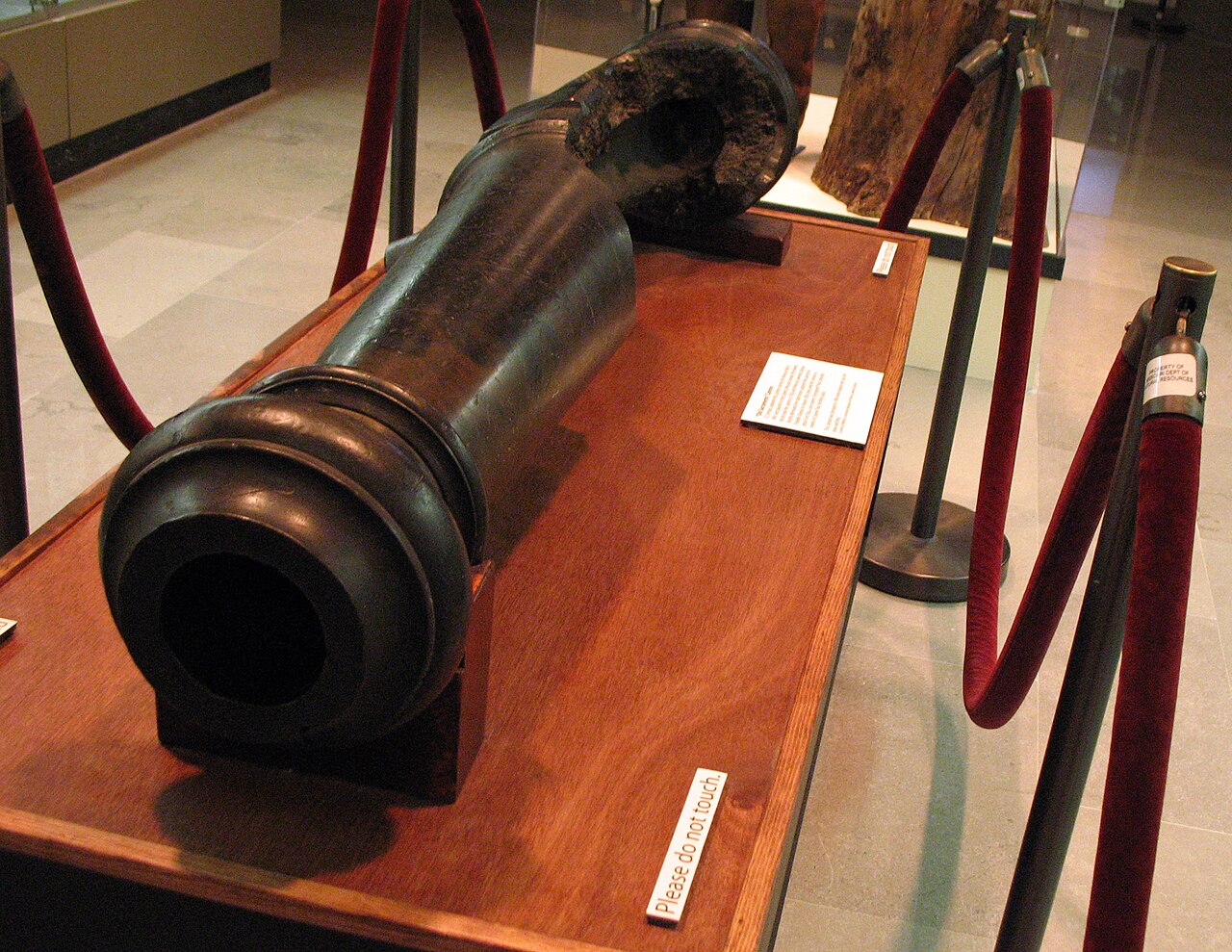


Background and causes
After the Kansas–Nebraska Act (1854) left the question of slavery to local settlers, both pro‑slavery and antislavery advocates rushed into the territory. Tensions rose as competing governments, militia groups, and partisan newspapers tried to influence whether Kansas would enter the Union as free or slave. Lawrence had been established as an antislavery stronghold and hosted offices and institutions that promoted the Free State cause, making it a natural target for opponents.
The attack
On the day of the sacking, armed men marched into the town, destroyed property, and specifically targeted the press and offices of the town's publications. Two prominent free‑state newspapers, the Kansas Free State and the Herald of Freedom, had their printing presses wrecked and their offices damaged. Although buildings and printing equipment were demolished and the town suffered considerable material loss, contemporary accounts report that only one person was killed during the attack and that this death was apparently accidental.
Aftermath and significance
The destruction in Lawrence further inflamed tensions in the territory. Within days a retaliatory and much more violent response—led by the abolitionist John Brown at Pottawatomie—resulted in additional killings and helped escalate a cycle of reprisals. Nationally, the events around Lawrence became a focal point in debates over popular sovereignty and the capacity of territorial governments to maintain order. The Sacking of Lawrence demonstrated how political disagreement over slavery could spill into organized violence.
Historical perspective
Historians view the Sacking of Lawrence as a turning point in the struggle for Kansas that contributed to the breakdown of civil authority in the territory and heightened sectional animosities across the United States. The incident is remembered for its symbolic assault on free‑press institutions and as a clear example of how local contests foreshadowed the broader conflict that led to the American Civil War.
Key facts
- Date: May 21, 1856
- Location: Lawrence, Kansas
- Leaders: including Douglas County sheriff Samuel J. Jones
- Targets: antislavery newspapers and buildings; two presses destroyed
- Casualties: reports indicate one accidental death
- Context: part of wider conflict in the Kansas Territory known as Bleeding Kansas
For a concise introduction to the episode and its place in mid‑19th century American history, see regional histories and collections that document the struggle between pro‑slavery and antislavery settlers during the territorial period.
Questions and answers
Q: When did the Sacking of Lawrence happen?
A: The Sacking of Lawrence happened on May 21st, 1856.
Q: Who led the attack on Lawrence?
A: Douglas County Sheriff Samuel J. Jones led the attack on Lawrence.
Q: What kind of town was Lawrence?
A: Lawrence was an anti-slavery town.
Q: What did the attack on Lawrence do to the conflict in Kansas Territory?
A: The attack on Lawrence made the irregular conflict in Kansas Territory worse.
Q: What did the conflicts in Kansas Territory become known as?
A: The conflicts in Kansas Territory became known as "Bleeding Kansas".
Q: How many people died during the Sacking of Lawrence?
A: Only one person died, and his death was by accident.
Q: What did the pro-slavery people destroy during the Sacking of Lawrence?
A: The pro-slavery people destroyed two free-state newspapers, the Kansas Free State and the Herald of Freedom.
Related articles
Author
AlegsaOnline.com Sacking of Lawrence (1856): attack on an antislavery town in Kansas Territory Leandro Alegsa
URL: https://en.alegsaonline.com/art/85142
Sources
- books.google.com : John Brown in Kansas
- kshs.org : "The University of Kansas and the Sack of Lawrence: A Problem of Intellectual Honesty"
- kancoll.org : A History of Lawrence Kansas, from the Earliest Settlement to the Close of the Rebellion
- latinamericanstudies.org : "Old Sacramento: Cannon of Crisis, Cannon of Freedom"
- kancoll.org : A History of Lawrence Kansas, from the Earliest Settlement to the Close of the Rebellion
- smithsonianmag.com : "The Law That Ripped America In Two"
- eldridgehotel.com : "Our Story"