
S1m0ne (2002 film)
2002 satirical sci‑fi comedy‑drama directed by Andrew Niccol, starring Al Pacino as a filmmaker who creates a virtual actress. Examines celebrity, authenticity and the effects of digital image-making.
Overview
S1m0ne (stylized S1m0ne and pronounced "Simone") is a 2002 American comedy‑drama with science fiction and satirical elements. Directed and written by Andrew Niccol, the film centers on a struggling director who fabricates a perfect, computer‑generated actress to replace a real performer. The movie was released to theaters by its distributor and handled by Warner Bros..
Image gallery
1 Image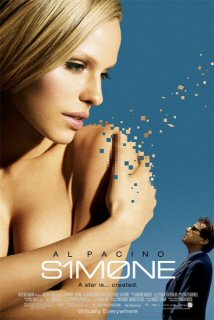
Premise and characters
The story follows a filmmaker who, after being unable to work with a human star, turns to digital tools to construct an entirely artificial leading lady. That virtual star quickly becomes a worldwide celebrity, raising questions about ownership, control and what audiences value in a performer. The central role of the director is played by Al Pacino, whose character wrestles with the consequences of his invention.
Production and visual approach
The film uses visual effects and image compositing to depict a convincing virtual actress and the industry machinery that promotes her. Rather than present hard science, the movie relies on satirical exaggeration and film‑industry tropes to explore how technology can alter perception. Andrew Niccol, known for his earlier speculative work, framed these effects as part of a larger critique of modern celebrity culture.
Themes and reception
S1m0ne examines authenticity, the commodification of image, and the tension between art and commerce. Critics and audiences responded to its mix of comedy and social commentary with a range of opinions: some praised its premise and performances, while others found its satire uneven. Over time it has been discussed in conversations about digital actors and the ethics of synthetic media.
Notable facts
- The title uses numerals and letters to mimic a digital or stylized name.
- The film is often referenced in debates about CGI, virtual performers and the future of acting.
- It blends genres—satire, drama and speculative fiction—to question the trust audiences place in images.
Legacy
While not universally acclaimed, S1m0ne anticipated later technological and ethical discussions about likeness, deepfakes and virtual celebrities. It remains a cultural touchpoint for the entertainment industry’s uneasy relationship with digital replication and the idea that fame can be manufactured as easily as a computer file.
Questions and answers
Q: What is S1m0ne?
A: S1m0ne is a 2002 American comedy-drama science fiction movie directed by Andrew Niccol and starring Al Pacino.
Q: Who directed S1m0ne?
A: Andrew Niccol directed S1m0ne.
Q: When was S1m0ne released to movie theaters?
A: S1m0ne was released to movie theaters in 2002.
Q: Which production company distributed S1m0ne?
A: Warner Bros distributed S1m0ne.
Q: Who starred in S1m0ne?
A: Al Pacino starred in S1m0ne.
Q: What genre is S1m0ne?
A: S1m0ne is a comedy-drama science fiction movie.
Q: What is the plot of S1m0ne?
A: The plot of S1m0ne revolves around a director's creation of an entirely artificial actress, named Simone, who becomes a Hollywood star.
Related articles
Author
AlegsaOnline.com S1m0ne (2002 film) Leandro Alegsa
URL: https://en.alegsaonline.com/art/85039