
Balalaika: Russian three‑stringed folk instrument and its family
A compact guide to the balalaika: structure, family of sizes, history, tuning and playing techniques, and its role in Russian folk and orchestral music.
Overview
The balalaika is a traditional stringed instrument closely associated with Russian folk music. Recognizable by its triangular wooden body and typically three strings, it produces a bright, percussive sound used for melody, harmony and rhythmic accompaniment. While most often thought of as a solo or ensemble folk instrument, the balalaika also appears in arranged orchestral settings and contemporary music.
Image gallery
10 Images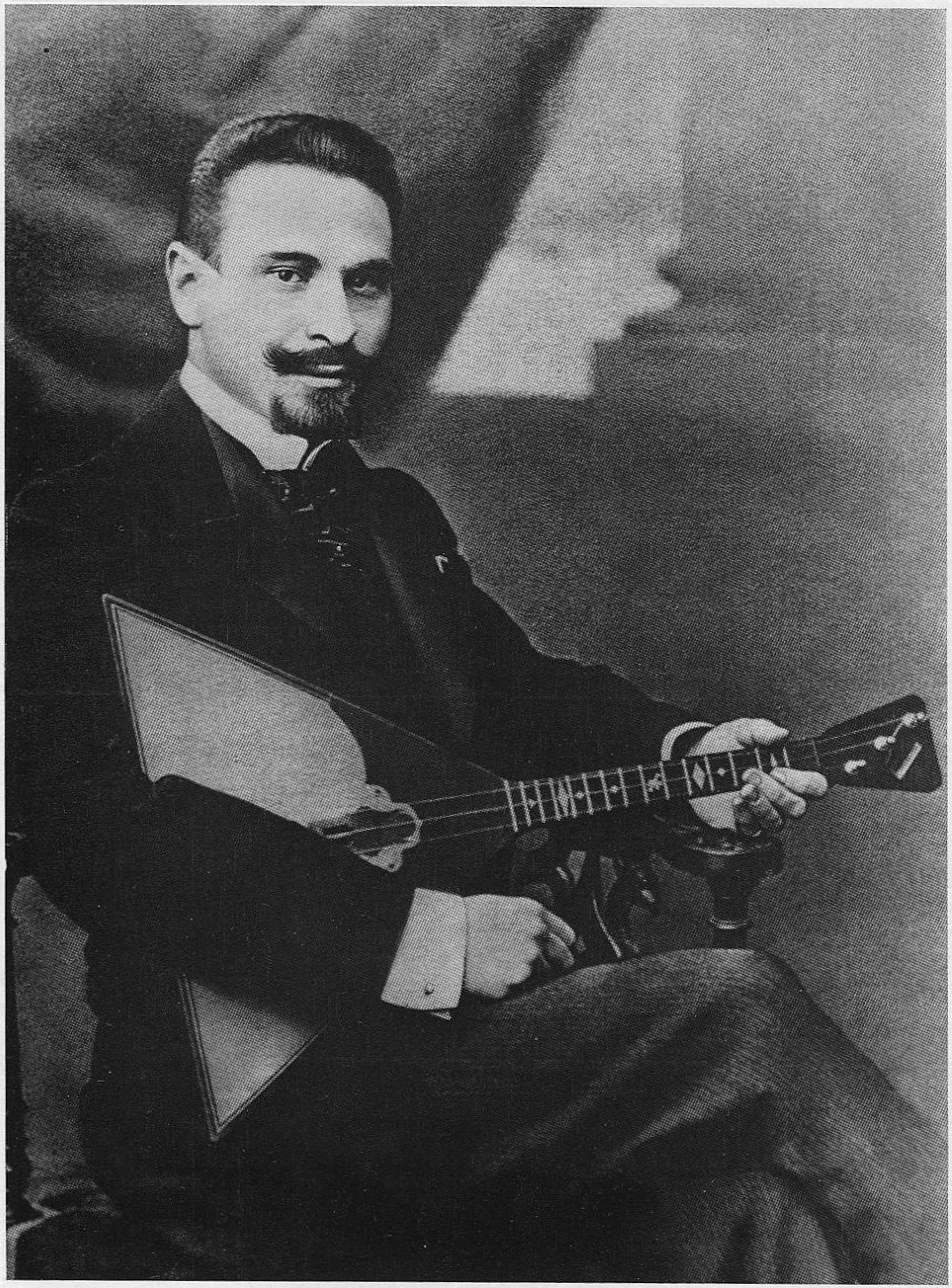


Construction and characteristics
Most balalaikas have a shallow, triangular resonator, a fretted neck and three strings stretched over a bridge. They are usually made of wood, with a lighter soundboard and a harder wood for the back and sides. Frets are fixed on modern instruments, but older examples sometimes used moveable gut frets. The instrument’s small soundbox and short scale give it a crisp attack and relatively limited sustain compared with rounded-bodied lutes.
Sizes and family members
- Piccolo balalaika – the smallest and highest-pitched member of the family.
- Prima balalaika – the common solo instrument, usually played with the fingers.
- Sekunda and alto – intermediate sizes used for harmony and counterpoint; played with fingers or a pick depending on style.
- Bass and contrabass – large instruments that provide the low foundation; they often rest on the floor with small legs and are played with padded or leather picks.
History and development
The balalaika evolved from earlier regional plucked instruments and was depicted in historic images with varying numbers of strings (two to six) and movable frets tied to the neck. In the late 19th century an effort to standardize and elevate the instrument’s status led to more consistent designs and wider public performance. That period saw the formation of organized ensembles that arranged folk repertoire for multiple balalaika voices, helping transform the instrument from a rural pastime to a concert feature.
Playing techniques and tuning
Techniques range from single-note melodies and rapid fingerpicking to strummed chords and rhythmic patterns. The prima is commonly played with the fingers; larger instruments may be plucked with a plectrum or padded pick to balance volume. Tunings vary across the family and repertoire, but a widely used scheme for the prima is E-E-A (two lower strings tuned in unison and a higher string tuned a fourth above), producing open, easily strummed chords and drone effects.
Role, repertoire and notable facts
The balalaika remains a symbol of Russian musical culture and is central to folk ensembles, dance accompaniment and staged folk revivals. Arrangers adapted folk tunes, classical works and original compositions for balalaika ensembles, expanding the instrument’s expressive range. Museums and collectors preserve historic examples that show links with other plucked traditions across Eastern Europe and Central Asia, reflecting centuries of regional exchange. For background on cultural context and performance practice, see resources about Russian folk instruments and ensembles (Russia).
Questions and answers
Q: What is the balalaika?
A: The balalaika is a musical instrument from Russia.
Q: What are the different types of balalaika?
A: The Balalaika family includes the piccolo balalaika, prima balalaika, sekunda balalaika, alto balalaika, bass balalaika and contrabass balalaika.
Q: How many strings do balalaikas have?
A: They all have three strings.
Q: What is the most common tuning for balalaikas?
A: The most common tuning is E-E-A.
Q: How are the different types of balalaikas played?
A: The prima balalaika is played with the fingers, the sekunda and alto either with the fingers or a pick depending on the music being played. The basses and contrabasses, which have legs that rest on the floor, are played with leather picks.
Q: How many strings did earlier balalaikas have?
A: Early pictures of the balalaika show it had between two and six strings, like some Central Asian instruments.
Q: What were the earlier balalaika frets made of?
A: Frets on earlier balalaikas were made of animal gut and tied to the neck so that they could be moved around by the player.
Related articles
Author
AlegsaOnline.com Balalaika: Russian three‑stringed folk instrument and its family Leandro Alegsa
URL: https://en.alegsaonline.com/art/8440
Sources
- balalaika.com.au : "Sydney Balalaika Orchestra 2009"
- balalaika.org : "History of the Russian Folk Orchestra"