
Rowan & Martin's Laugh-In: format, cast, and cultural influence
Concise encyclopedia entry on Rowan & Martin's Laugh-In (1968–1974): its fast-paced sketch format, recurring bits and catchphrases, ensemble cast and guests, social impact, decline and legacy.
Overview
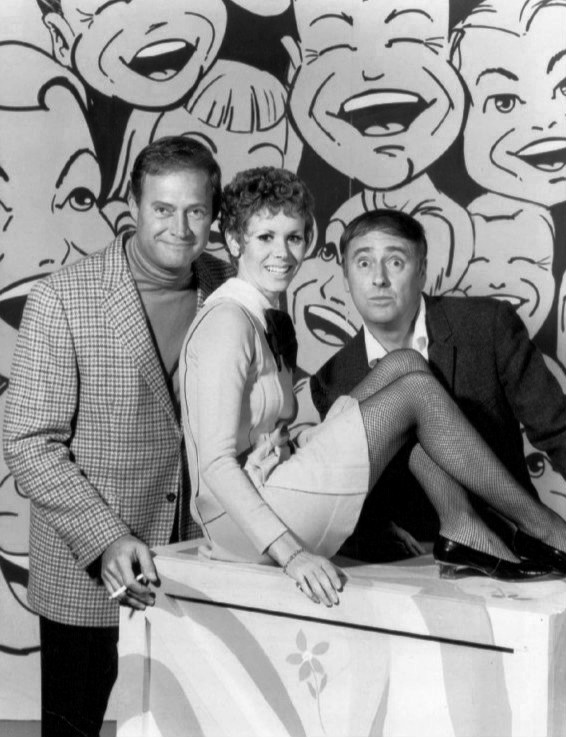
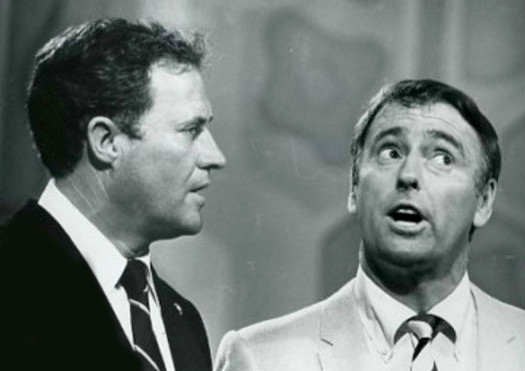
Rowan & Martin's Laugh-In was a landmark American television series that debuted as a special and became a weekly program on NBC beginning in 1968. Its title borrowed the then-current convention of adding "-In" to public gatherings, a trend exemplified by the late-1960s Human Be-In. The program was fronted by the comic duo Dan Rowan and Dick Martin, who generally appeared as tuxedoed straight men and anchors for an ensemble of performers and sight gags. The show combined short sketches, one-liners and visual montage to reflect and satirize contemporary life.
Image gallery
10 Images



Format and production style
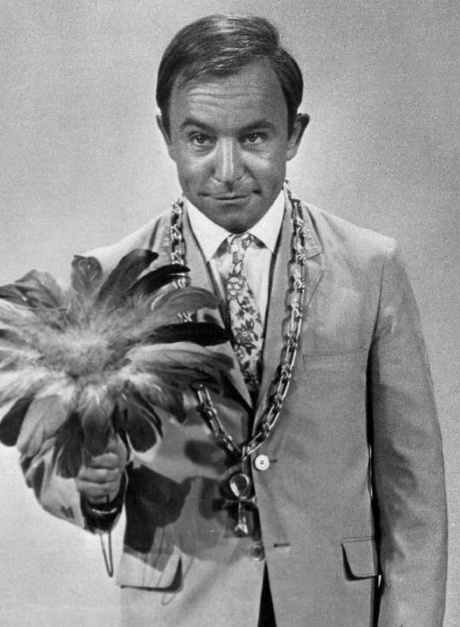
Laugh-In was notable for its breakneck pace: sketches were short, edits were abrupt, and the camera work and set design favored quick visual jokes. Rowan and Martin typically maintained a polished appearance, often in tuxedos, while an off-stage announcer, Gary Owens, provided intonation and continuity. Producers chose a variety of comedic forms, leaning heavily on topical material and parody. The show frequently lampooned current trends, fashions and media conventions, using both scripted and improvisational techniques to keep the material nimble and immediate (fashions and other popular culture targets were common).
Recurring segments and catchphrases
Several repeat bits gave the program a recognizable rhythm and produced many of its best-known catchphrases. Regular elements included:
- "The Party," a staged social scene where cast members traded rapid one-liners.
- "Laugh-In Looks at the News," a brief, satirical mock news segment that compressed current events into punchlines.
- The "Joke Wall," a set piece with multiple doors through which performers rushed to deliver short gags.
Some recurring phrases became part of American pop culture: "Sock it to me!", "You bet your bippy!" and the admonition to "Look that up in your Funk and Wagnalls!" Another running gag, "Here come the Judge!", was associated with a courtroom-style sketch and later tapped into wider comedy circuits (Judge).
Cast, guest stars, and performers
The program showcased a large ensemble, providing a national platform for many comics and actors. Regulars included future stars such as Goldie Hawn, Arte Johnson, Lily Tomlin, Henry Gibson, Ruth Buzzi, Dave Madden, and others like Joanne Worley and Chelsea Brown and Judy Carne. Additional contributors and guest players at various times included British actor Jeremy Lloyd and performers from other television comedies such as Richard Dawson and Larry Hovis.
Musical and novelty guests ranged from eclectic and emerging acts to established names: visitors included Tiny Tim, the pop group The Monkees, and former Beatle Ringo Starr. The show sometimes booked performers described as long-time veterans of particular entertainment circuits, introducing them to national television audiences.
Cultural influence and controversies
Laugh-In's blend of satire, catchphrases and quick edits helped shape late-1960s and early-1970s television comedy; several cast members parlayed their visibility into long careers in film, television and stage. The program also drew attention for its social implications. For example, the inclusion of African-American comedian Dewey "Pigmeat" Markham, after his material was imitated on the show, raised discussions about recognition, appropriation and exposure of Black performers to broader audiences described in some contexts as primarily white audiences. The program's mix of politics and entertainment reached a peak when a presidential candidate made a brief appearance, an event some contemporaries later cited as influential in public perception; the campaign stop was tied to Richard Nixon's bid for the President of the United States and remains a frequently cited example of television's political impact.
Decline, reunions and legacy
After several seasons of high popularity the show's original format began to show strain; by the early 1970s ratings slipped and creative choices were questioned. Producers later remarked that the program had largely "run out of things to parody", a phrase used to explain why the series concluded its initial run in 1974. Laugh-In has since been remembered for its influence on sketch comedy pacing, the careers it launched, and its encapsulation of a particular social moment. A 1979 reunion and brief revival brought the cast back to television, at one point featuring a very early appearance by Robin Williams, demonstrating how the series continued to intersect with the next generation of performers.
For overviews, cast lists and episode guides, consult the program's archival material and retrospective analyses that track both the show's innovations and the debates it provoked about popular culture, race, and the role of television in political life.
television series | Dan Rowan | Human Be-In | tuxedos | Gary Owens | fashions | mock news | Goldie Hawn | Arte Johnson | Lily Tomlin | Henry Gibson | Ruth Buzzi | Dave Madden | Chelsea Brown | Judy Carne | Jeremy Lloyd | Richard Dawson | Tiny Tim | The Monkees | Ringo Starr | veterans | white audiences | Judge | President of the United States | run out of things to parody | Robin Williams
Questions and answers
Q: What was the name of the television series?
A: The television series was called Laugh-In.
Q: Who were the hosts of Laugh-In?
A: The hosts of Laugh-In were comedians Dan Rowan and Dick Martin.
Q: What type of humor did the show feature?
A: Laugh-In featured "topical humor", with most of its comedy based on current events. It mocked contemporary trends and fashions, and imitated popular styles of the time.
Q: Who played the show's announcer?
A: Radio host Gary Owens played the show's announcer.
Q: Who worked behind the scenes on Laugh-In?
A: Producers George Schlatter and Ed Friendly worked behind the scenes, and did not appear on camera.
Q: What famous guests appeared on Laugh-In?
A: Guests on Laugh-In included Tiny Tim, The Monkees, Ringo Starr, Richard M. Nixon, Sammy Davis Jr., Dewey "Pigmeat" Markham, Robin Williams and other famous singers and actors.
Q: When did Laugh-In end its run?
A: The series ended in 1974, with producers explaining that they had "run out of things to parody".
Related articles
Author
AlegsaOnline.com Rowan & Martin's Laugh-In: format, cast, and cultural influence Leandro Alegsa
URL: https://en.alegsaonline.com/art/84383