
Rounders — British and Irish bat-and-ball game
Rounders is a bat-and-ball field sport originating in Great Britain and Ireland. Played widely in schools and at adult levels, it features innings, bases, and scoring by completing a circuit without being put out.
Overview
Rounders is a bat-and-ball game played between two teams. It developed in Great Britain and Ireland and remains most commonly seen in schools, youth clubs, and amateur competitions. The contest revolves around alternating innings in which one side bats and attempts to complete a circuit of four bases or posts, while the other side fields and seeks to prevent runs by getting batters out. The sport is governed by several organizations with slightly different rule sets and cultures; for example, official structures in Ireland and the United Kingdom differ in detail but follow the same general pattern. For general information about the sport as a whole see this overview.
Image gallery
4 Images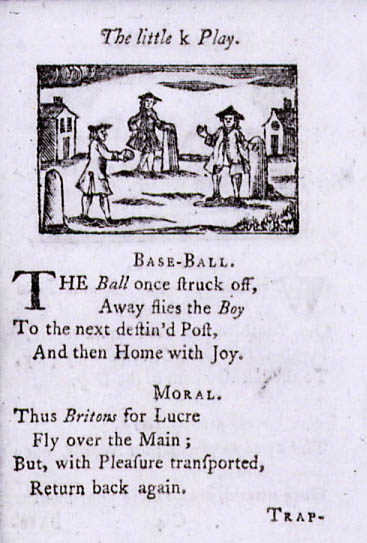


Basic play and scoring
A rounder is scored when a batter hits the ball, rounds the bases/posts in sequence and returns safely to the starting post without being put out. Teams take turns batting and fielding in innings. A fielding side may have up to nine players on the field at one time. Typical methods of being put out include a catch of a ball struck in flight, a fielder touching a base/post while holding the ball before the batter reaches it, or striking the batter with the ball under certain local rules.
Typical rules and ways to be out
- Batting: A pitched ball must be hit with a bat; different associations specify size and style of bat.
- Running: Batters must run clockwise around four bases/posts to score; partial progress may earn half-points or other distinctions depending on the code.
- Fielding: A catch, stumping a post, or running a runner out are common methods of dismissal.
- Players: Fielding teams usually arrange nine players but youth or recreational matches may use different numbers.
Equipment and field
The game is played with a small, hard ball and a rounded bat. Exact dimensions vary by governing body and age group. The playing area is roughly square or slightly irregular with four bases/posts forming the circuit. Safety equipment is less extensive than in many adult bat-and-ball sports, so many organized competitions have age-appropriate rules for protective gear. Regional rulebooks and coaching resources provide guidance; see national or local bodies for specific equipment lists, for example organizations in England and Ireland.
History and development
Rounders has long roots as a folk game in the British Isles. One of the earliest attempts to formalize rules occurred in Ireland when the Gaelic Athletic Association published a version in 1884. In England and Wales, separate committees and associations later set out their own codified rules. These parallel traditions coexist: matches between teams from different traditions sometimes use one code in one half of the day and the alternate code in the other half to accommodate both sets of customs. For Irish governance see Irish sources, and for British governance see the National Rounders Association and other bodies referenced at British origins and England.
Competitions, geography and relations to other sports
Although often associated with school physical education, rounders is also played at adult club and international levels. National sides from several countries take part in tournaments and friendly internationals; examples include teams from Canada, England, Ireland, the Isle of Man, Scotland and Wales. The sport is frequently compared with other bat-and-ball games. Some historians and commentators have argued for a historical link between rounders and the development of baseball in North America, though that connection is debated and not conclusively proven; see commentary on the topic at baseball origins.


Related articles
Author
AlegsaOnline.com Rounders — British and Irish bat-and-ball game Leandro Alegsa
URL: https://en.alegsaonline.com/art/84341