
Rouben Mamoulian: Armenian‑American innovator in film and musical theatre
Director Rouben Mamoulian (1897–1987) was an Armenian‑American pioneer in film sound and camera movement and a leading stage director whose work shaped early Hollywood and Broadway.
Rouben Mamoulian was an Armenian‑American director whose work in the 1920s–1950s helped define modern techniques in both motion pictures and musical theatre. Born in Tiflis (now Tbilisi) to an Armenian family, he relocated to London in the early 1920s to direct stage productions and soon moved to the United States to teach and work in opera and theatre. His background combined musical training and theatrical experience, which informed a career notable for rhythmic staging and technical experimentation. See original Armenian name here and birth details here.
Image gallery
1 Image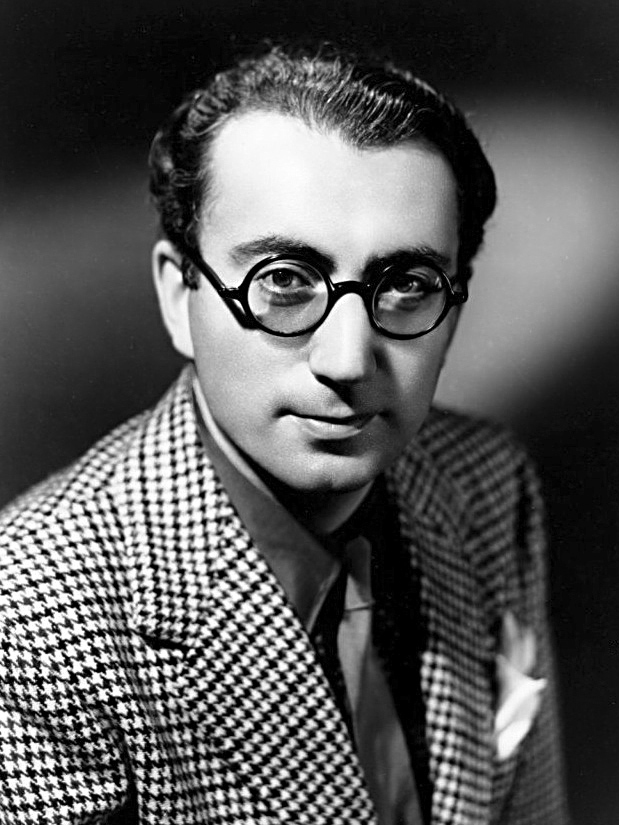
Overview and early life
Mamoulian was born in 1897 and raised in the multicultural city of Tbilisi, then part of the Russian Empire. After a period in England directing plays, he joined the Eastman School of Music faculty in the United States and quickly became involved with opera and dramatic productions. He took American citizenship in 1930 and spent his career moving between Broadway and Hollywood, bringing theatrical approaches to film and musical storytelling. Biographical notes and timelines are available here and here.
Career and stylistic contributions
Mamoulian is widely remembered for pioneering camera mobility and for inventive use of sound at the start of the talkie era. Where early sound films were often static, he experimented with microphone placement, shot length, and continuous camera movement to create a more fluid, musical cinematic language. He directed dramas and musicals that combined careful actor direction with an ear for musical rhythm, helping to bridge stage techniques and film grammar.
Notable works and examples
His filmography includes several influential pictures and his stage work shaped mid‑century American musical theatre. Selected titles often associated with his innovations include important early sound pictures and screen musicals; his Broadway work includes landmark productions that influenced staging and choreography. For documentation of productions and credits see reference A, reference B, and archival notes reference C.
Legacy and importance
Rouben Mamoulian's blending of musical sensibility, technical curiosity, and stagecraft left a lasting impression on directors who followed. Film historians credit him with helping to free cinematic movement from the constraints initially imposed by early sound technology, and theatre historians note his influence on the pacing and staging of American musicals. He maintained ties to education and opera throughout his life and is remembered both for particular works and for a broader willingness to experiment.
Further reading and links
Questions and answers
Q: Who was Rouben Mamoulian?
A: Rouben Mamoulian was an Armenian-American movie and theatre director.
Q: When and where was he born?
A: He was born on October 8, 1897, in Tbilisi, Georgia.
Q: What was his nationality?
A: He was Armenian.
Q: When did he start directing plays in London?
A: He started directing plays in London in 1922.
Q: When did he move to America?
A: He moved to America the next year after he started directing plays in London, which was in 1923.
Q: Why did he move to America?
A: He moved to America to teach in the Eastman School of Music and to be involved in directing opera and theatre.
Q: When did he become a citizen of the United States?
A: He became a naturalized citizen of the United States in 1930.
Related articles
Author
AlegsaOnline.com Rouben Mamoulian: Armenian‑American innovator in film and musical theatre Leandro Alegsa
URL: https://en.alegsaonline.com/art/84301