
Rosie the Riveter: wartime icon, cultural symbol, and legacy
Rosie the Riveter is an American cultural icon from World War II representing women war workers. The figure evolved from songs, posters, and photographs into a lasting symbol of labor, feminism, and civic memory.
Rosie the Riveter is the name given to an archetypal female industrial worker who came to represent the expanding role of women in the workforce during World War II. As an image and a name, Rosie has come to stand for women’s contribution to wartime production and, later, for broader ideas about women's economic power and civic participation. The figure is widely recognized as a cultural icon in the United States and is frequently invoked in discussions of labor, gender and national mobilization.
Image gallery
10 Images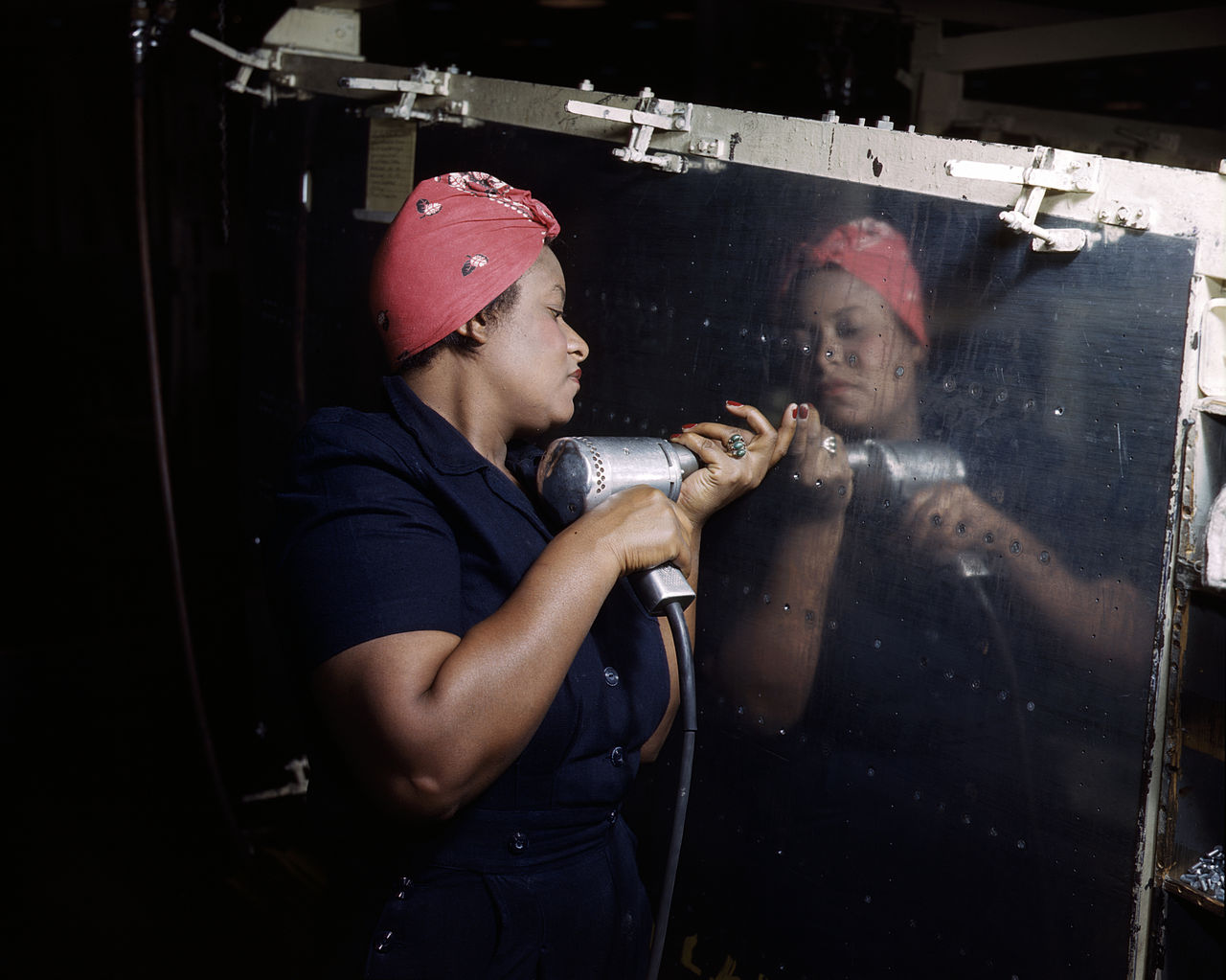


Origins and principal images
The Rosie phenomenon is composite, arising from a 1942 popular song, magazine illustration, publicity photographs and various posters encouraging women to join heavy industry. Two of the most familiar visual forms are Norman Rockwell’s painted cover for a magazine and the poster commonly called "We Can Do It!". The latter was produced for a company campaign and had limited circulation during the war; it was rediscovered and repurposed by later generations as an emblem of female strength.
Real women, the name, and contested attributions
At the time, "Rosie" was a generic shorthand for riveters, welders and assemblers in aircraft and shipbuilding plants. Over the years researchers have identified particular women associated with photographs and stories that helped shape the image. For example, Naomi Parker (often cited in press accounts) is said to have inspired a famous wartime photograph, and the name itself has been associated with individuals such as Rosalind P. Walter in accounts of how the song and persona developed. Historians treat such attributions cautiously because the icon emerged from many people, images and cultural products.
Wartime role and immediate aftermath
During the war millions of women entered factories, shipyards and other workplaces previously dominated by men. Many returned to traditional roles after the conflict, but the visual and cultural traces of Rosie persisted. In 1944 a film titled "Rosie the Riveter" appeared, and the name continued to circulate in popular culture. The differing intents of wartime images—some designed to boost morale, others to recruit labor—help explain why the figure could later be read in multiple ways.
Later reclamation and legacy
In the late 20th century the Rosie image was reclaimed by labor activists and the feminist movement as a positive emblem of women’s skills and rights. Scholars and curators placed wartime posters, photographs and oral histories in museums and educational exhibits to document home-front work. Commemorative efforts include memorial committees and heritage projects begun in the 1990s, including a memorial committee formed in 1997 that helped encourage preservation and public recognition of these stories.
Uses, representations, and debates
- Public history: museum exhibits, archive displays and school programs that explain wartime mobilization and women's labor.
- Political symbolism: activists and campaigns use Rosie imagery to promote workplace equity, veterans’ recognition and civic participation.
- Commercial and popular culture: fashion, advertising and art often appropriate the hairstyle, bandana and pose associated with the icon.
Scholars emphasize that Rosie is not a single person but a cultural construction that evolved through song, art, photography and storytelling. That complexity invites ongoing research into who the working women were, how employers and governments encouraged their labor, and how later movements reshaped the meaning of the images for concerns such as feminism and organized labor.
For readers seeking entry points into the subject, consult exhibitions that feature the "We Can Do It!" poster, Norman Rockwell’s magazine cover, wartime photographs and oral histories. The story of the icon intersects with national narratives about the United States home front in World War II, and with debates about how public memory turns real workers into enduring symbols. Biographical and local histories also explore individuals associated with the legend, such as Naomi Parker, while broader studies examine cultural production and civic commemoration.
Further resources can be found through cultural institutions, labor organizations and research libraries that document wartime industry and women's workplace history. The Rosie image continues to be used in educational, political and artistic contexts, reflecting both its origins in wartime mobilization and its later life as an emblem of possibility and debate.
Questions and answers
Q: Who is Rosie the Riveter?
A: Rosie the Riveter is a cultural icon of the United States who appeared in a World War II propaganda poster titled "We Can Do It!".
Q: What is the significance of Rosie the Riveter?
A: She is often used as a symbol of feminism.
Q: What was the name of the movie released in 1944 about Rosie the Riveter?
A: The movie was called 'Rosie the Riveter'.
Q: Who is Naomi Parker?
A: Naomi Parker was a real woman who inspired the Rosie the Riveter icon.
Q: Who was Rosie the Riveter named after?
A: Rosie the Riveter was named after Rosalind P. Walter.
Q: When was the Rosie the Riveter Memorial Committee started?
A: The Rosie the Riveter Memorial Committee was started in 1997.
Q: How has Rosie the Riveter impacted American culture?
A: Rosie the Riveter has become a powerful symbol for women's rights and their contributions to the workforce.
Related articles
Author
AlegsaOnline.com Rosie the Riveter: wartime icon, cultural symbol, and legacy Leandro Alegsa
URL: https://en.alegsaonline.com/art/84197
Sources
- nytimes.com : Naomi Parker Fraley, the Real Rosie the Riveter, Dies at 96
- gbbgc.org : Rosie the Riveter and GBBGC