
Rosarium Uetersen
Historic rose garden in Uetersen, Schleswig-Holstein, Germany, established 1929; one of Northern Germany's largest collections with over 35,000 bushes and a wide range of cultivated varieties.
The Rosarium Uetersen is a purpose‑designed public rose garden located in the town of Uetersen in Schleswig‑Holstein, Germany. Founded in 1929, it is widely recognized as the oldest and largest rosarium in northern Germany. The planting focuses on cultivated roses and arranged displays that emphasize color, scent and seasonal succession.
Image gallery
7 Images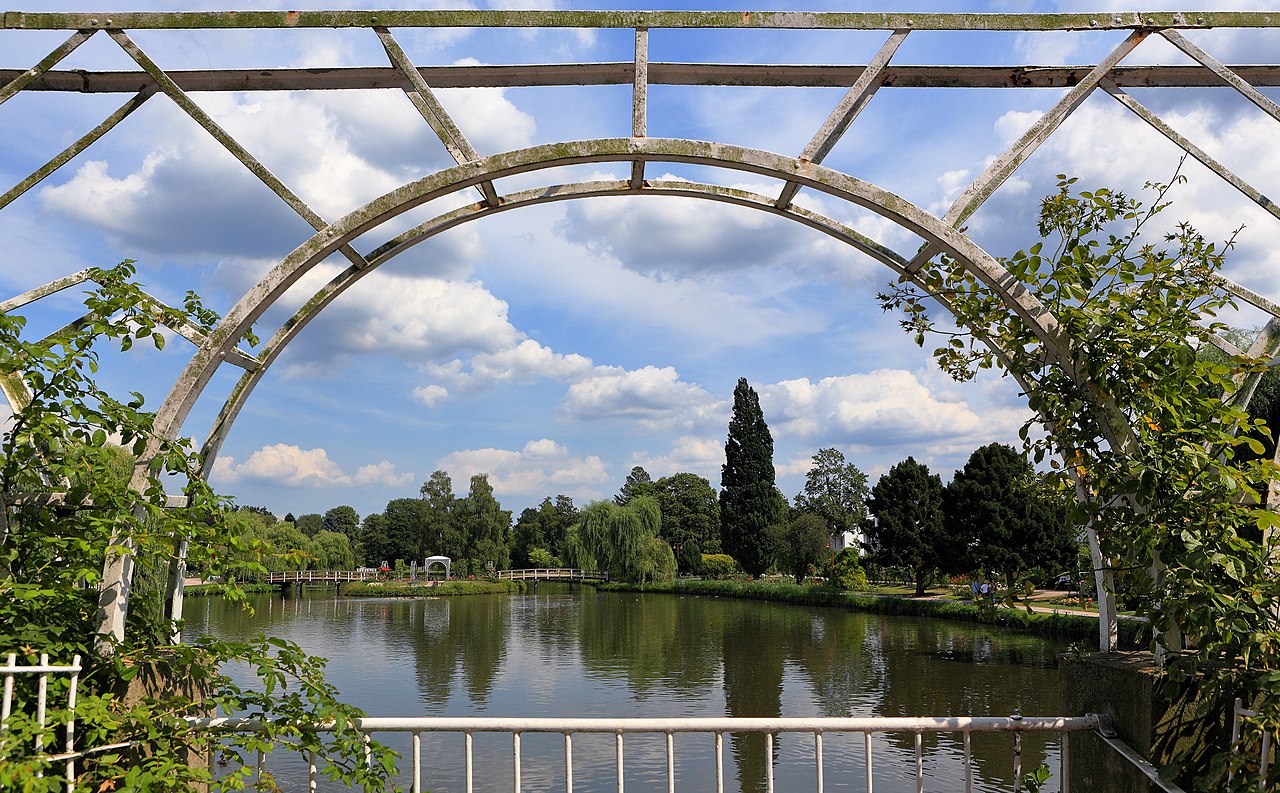



History and development
The layout originated in the late 1920s when municipal and horticultural interests commissioned a design that would showcase modern breeding achievements. The initial plan involved the landscape designer Berthold Thormählen together with prominent rose breeders of the era, including Mathias Tantau and Wilhelm Kordes. Over the decades the garden expanded and was reworked to accommodate new varieties and larger themed beds while retaining its original axial and geometric structure.
Collections and design
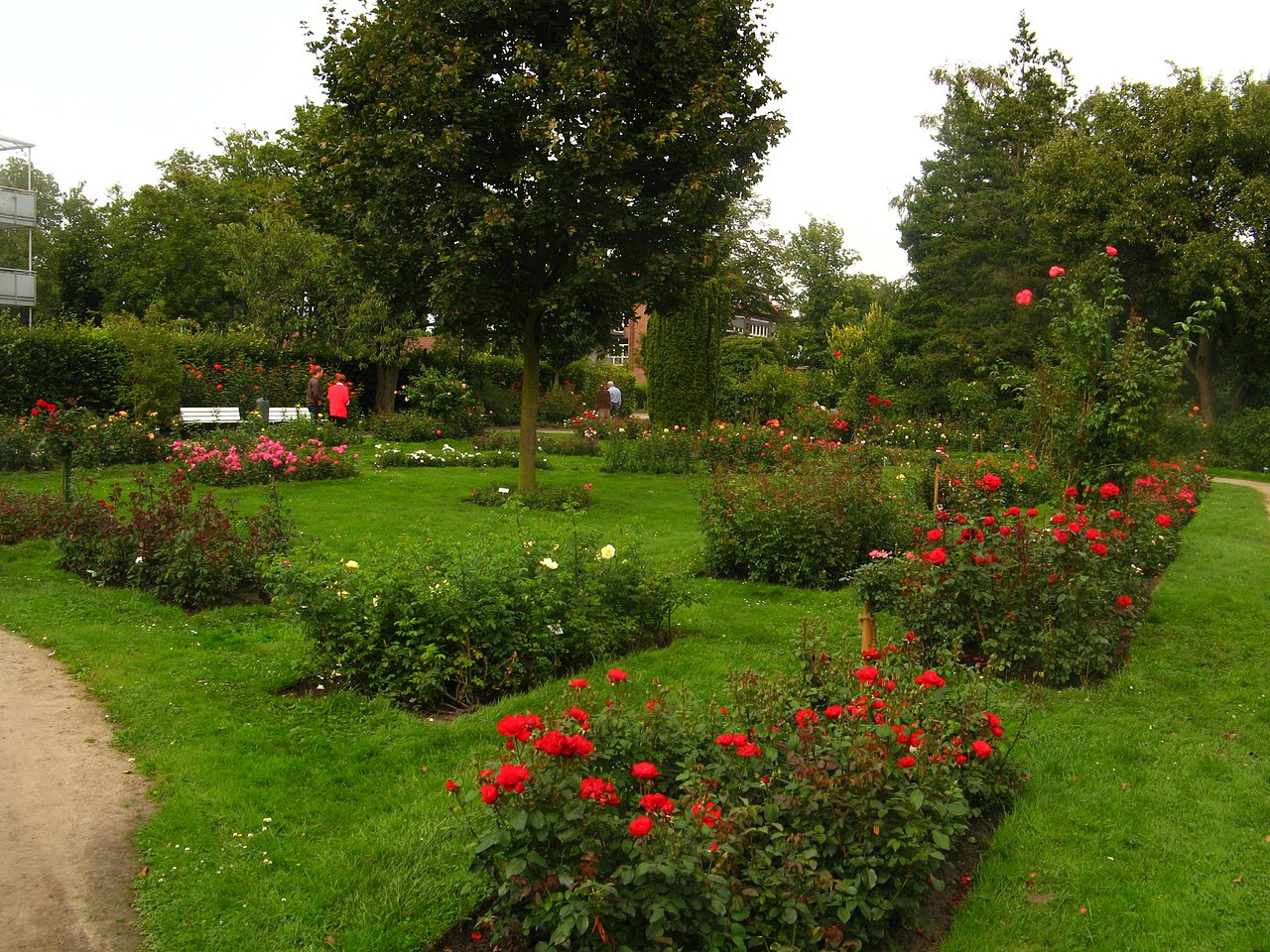
Today the rosarium occupies more than seven hectares and contains in excess of 35,000 individual rose plants representing roughly 1,020 different varieties. Beds are organized by type and breeding lineage, with sections for historical garden roses, modern hybrid teas, floribundas and shrub roses. Walkways, pergolas and seasonal plantings are used to frame sightlines and to prolong bloom across the growing season.
Importance and uses
Beyond its horticultural value, the Rosarium serves as a living collection for study, a recreational space for visitors, and a showcase for German rose breeding. Kordes and Tantau, who contributed plant material and expertise in the garden's formative years, went on to establish nurseries whose cultivars are grown worldwide. The site is also used for local events, guided tours and educational programs focused on garden design and plant care.
Notable facts
- Founded: 1929; design attributed to Thormählen and early 20th‑century rose breeders.
- Size: more than seven hectares and tens of thousands of roses.
- Collections include both historic varieties and modern cultivars from notable breeders such as Tantau and Kordes.
- Maintained as a public garden with seasonal opening hours and horticultural programming.
Visitors seeking practical information—opening times, guided tour schedules and access—should consult local tourism resources or the municipal pages for Uetersen and Germany. For historical context on garden planning and the designers involved, see references linked through resources about landscape architecture and biographies of early contributors such as Berthold Thormählen.
Questions and answers
Q: Where is the Rosarium Uetersen located?
A: The Rosarium Uetersen is located in the city of Uetersen, Schleswig-Holstein, Germany.
Q: What is the Rosarium Uetersen?
A: The Rosarium Uetersen is a rose garden.
Q: Is it the oldest and largest rose garden in Northern Germany?
A: Yes, it is the oldest and largest rose garden in Northern Germany.
Q: Who designed the Rosarium Uetersen?
A: The Rosarium Uetersen was originally designed by landscaping architect Berthold Thormählen, Mathias Tantau, and Wilhelm Kordes.
Q: How many roses are in the Rosarium Uetersen?
A: The Rosarium Uetersen has over 35,000 roses.
Q: How many rose varieties are in the Rosarium Uetersen?
A: The Rosarium Uetersen has 1020 various rose varieties.
Q: How are the roses presented in the Rosarium Uetersen?
A: The roses in the Rosarium Uetersen are presented in all gradations of color and aroma nuances.
Related articles
Author
AlegsaOnline.com Rosarium Uetersen Leandro Alegsa
URL: https://en.alegsaonline.com/art/84133