
Robert Takeo Matsui — U.S. Representative from California (1941–2005)
Robert T. Matsui was a Japanese American Democratic congressman who represented California's 5th District from 1979 until 2005, known for advocacy on civil liberties, redress and constituency service.
Overview
Robert Takeo Matsui (September 17, 1941 – January 1, 2005) was an American politician and a member of the Democratic Party who served as the U.S. Representative for California's 5th Congressional District from 1979 until his death in 2005. Based in the Sacramento area of California, Matsui was widely respected for his deep constituent focus and for representing the interests of a diverse district that included both urban and suburban communities.
Image gallery
4 Images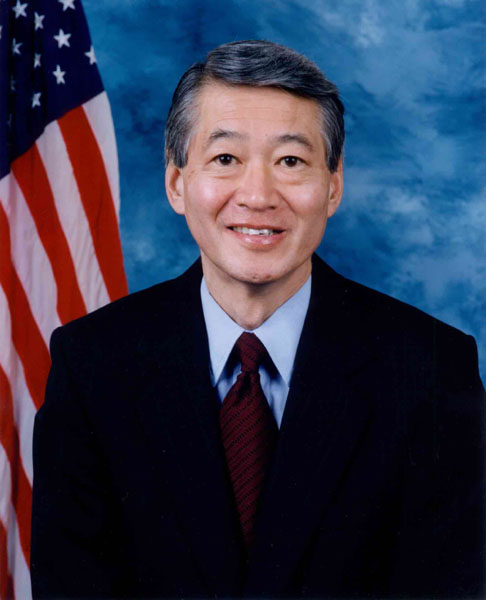


Early life and education
Matsui was born and raised in Sacramento into a Japanese American family. He was a Sansei (third-generation Japanese American). Following the attack on Pearl Harbor in 1941, his family, like many other Japanese American families on the West Coast, was held in an internment camp; the Matsui family was sent to the Tule Lake War Relocation Center during World War II. After the war he returned to civilian life and pursued higher education.
Matsui attended the University of California, Berkeley, earning a BA in political science in 1963, and later received his law degree from Hastings College of the Law. He began his career in public service and the law before entering elective politics, developing a reputation for attention to local issues and civil rights.
Congressional career and priorities
First elected to Congress in 1978, Matsui served continuously for more than a quarter century. Over the course of his tenure he became known as a persistent advocate for civil liberties and for efforts to address the legacy of wartime injustice facing Japanese Americans. He worked with colleagues across the aisle and among members of the Japanese American community to pursue recognition and remedies for those who had been interned.
In Congress Matsui focused on constituent services, urban economic development, and policies affecting families and communities. He was involved in legislative discussions on health care, veterans' matters, and federal funding for local projects, reflecting the mixed urban-suburban character of his district. His effectiveness was often credited to steady constituent outreach and a pragmatic approach to lawmaking.
Notable facts and legacy
- Matsui was the second Japanese American from the U.S. mainland elected to the U.S. Congress and is remembered as the first Sansei to serve there.
- After his death, his wife, Doris Matsui, succeeded him in his congressional seat, continuing representation of the Sacramento area.
- He is frequently cited in histories of Japanese American redress and civil rights advocacy in the late 20th century.
Death
Robert Matsui died on January 1, 2005. The immediate cause was pneumonia complicated by myelodysplastic syndrome. He passed away at the Walter Reed medical facility in Bethesda, Maryland, at the age of 63. His death prompted reflections on his decades of public service and the role he played in bringing attention to the wartime experiences of Japanese Americans.
For a concise summary of key dates, roles and biographical points:
- Born 1941 in Sacramento.
- Interned during World War II at Tule Lake.
- Education: UC Berkeley (BA), Hastings College of the Law (JD).
- Served in the U.S. House from 1979–2005.
- Succeeded by his wife, Doris Matsui.
Robert Matsui's career is often discussed in materials that treat the history of Japanese American political participation, postwar civil rights developments, and the governance of mid-sized American cities. For further reading, consult specialist collections and archives that preserve congressional papers and oral histories, and consult institutional or local histories that document Sacramento's political landscape in the late 20th century.
Questions and answers
Q: Who was Robert Takeo Matsui?
A: Robert Takeo Matsui was an American Democratic politician who served as the U.S. Representative for the 5th District of California from 1979 until his death.
Q: What happened to Matsui's family during World War II?
A: After the Japanese bombed Pearl Harbor, Matsui's family was interned at Tule Lake War Relocation Center in 1942.
Q: What is Matsui's heritage?
A: Matsui comes from a Japanese-American family and is Sansei, which means that he is the grandson of people born in Japan who immigrated to the US.
Q: Where did Matsui graduate from college?
A: Matsui earned a BA in political science from the University of California, Berkeley in 1963 and graduated from Hastings College of Law in 1966.
Q: What is notable about Matsui's election to Congress?
A: Matsui was the second Japanese American from the U.S. mainland elected to the US Congress and the first Sansei congressman.
Q: Who replaced Matsui in Congress?
A: Matsui's wife, Doris Matsui, replaced him in Congress.
Q: How did Matsui die?
A: Matsui died of pneumonia caused by myelodysplastic syndrome on January 1, 2005 at the Walter Reed National Military Medical Center in Bethesda, Maryland at the age of 63.
Related articles
Author
AlegsaOnline.com Robert Takeo Matsui — U.S. Representative from California (1941–2005) Leandro Alegsa
URL: https://en.alegsaonline.com/art/83361
Sources
- bioguide.congress.gov : "Matsui, Robert Takeo (1941-2005)"
- digital.lib.csus.edu : "Biography of Robert Takeo Matsui (1941-2005)" at California State University, Sacramento · web.archive.org
- nytimes.com : "Representative Robert T. Matsui, 63, Dies"