
Robert Bakker
American paleontologist and author who helped spark the 'dinosaur renaissance' by arguing dinosaurs were active, warm-blooded, and behaviorally complex.
Overview
Robert H. Bakker is an American paleontologist and popular science writer known for promoting a dramatic revision of how dinosaurs are understood. He argued that many dinosaurs were endothermic (warm-blooded), active, and ecologically dynamic rather than sluggish, cold-blooded reptiles. Bakker combined field research, ecological reasoning, and lively public communication to bring scientific debates about dinosaur physiology and behavior into broader view.
Image gallery
5 Images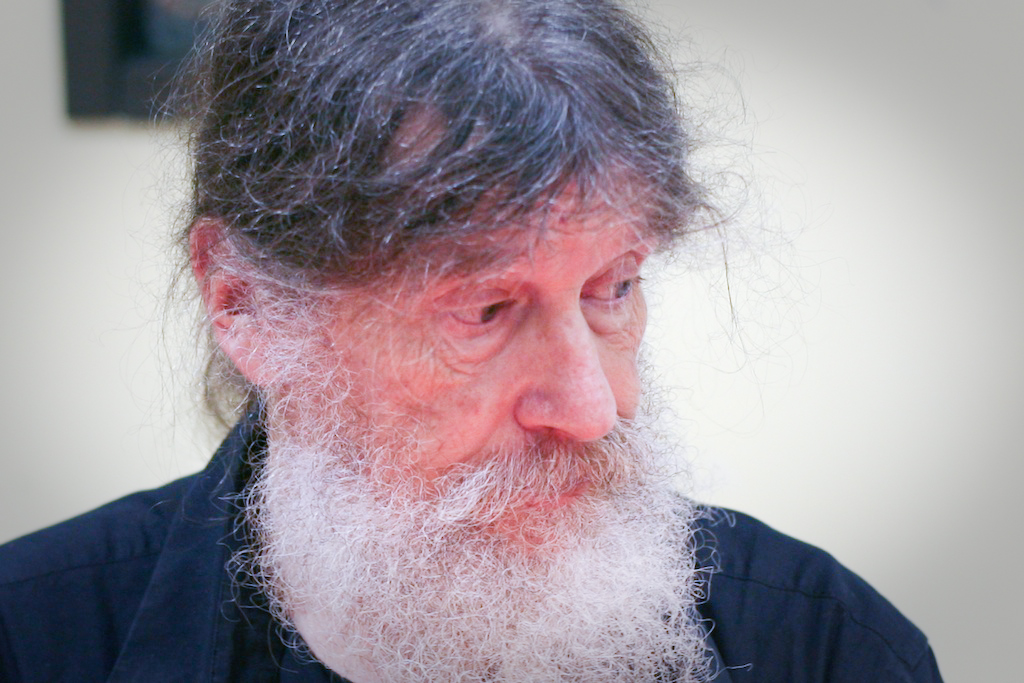

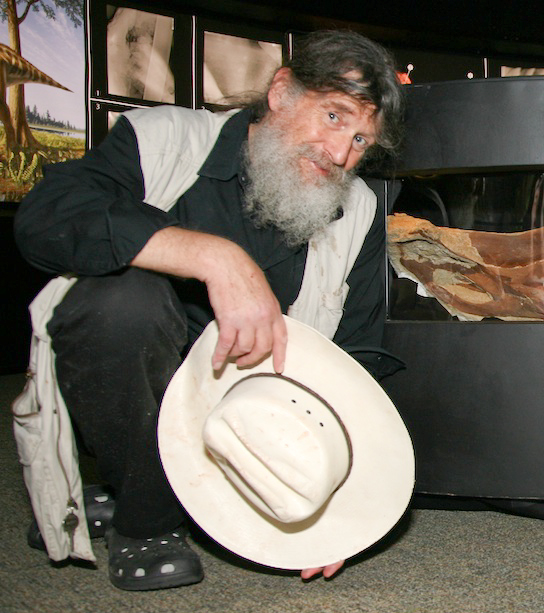


Early life and education
Born in Bergen County, New Jersey, Bakker's early interest in fossils led him into professional paleontology. He pursued university studies that included work at institutions such as Yale University and Harvard University. His formative academic relationship with mentor John Ostrom played a key role in shaping his interpretation of dinosaur anatomy and activity.
Scientific contributions
Bakker is most often associated with the so-called "dinosaur renaissance," a period when paleontologists rethought long-standing assumptions. Accepting and extending Ostrom's ideas, he argued for physiological and behavioral traits—such as higher metabolism and more complex social behaviors—based on skeletal anatomy, predator–prey ratios, and paleoecological evidence. His emphasis on ecological context helped shift paleontology toward reconstructing how dinosaurs lived, ate, and moved.
Research highlights and notable claims
- Endothermy: Bakker endorsed the view that many dinosaurs were closer to warm-blooded animals in physiology, which implied sustained activity and rapid growth.
- Behavior and ecology: He emphasized hunting strategies, herd behavior, and niche partitioning as central to understanding dinosaur communities; he framed these ideas around ecological reasoning rather than solely anatomical comparison.
- Parental care: Bakker reported evidence interpreted as parental care at certain nesting sites, including work on large theropods such as Allosaurus.
Books, media, and public influence
Bakker wrote for both technical and general audiences and helped bring paleontology into popular culture. His books and public appearances popularized an energetic image of dinosaurs and influenced museum exhibits and films. He served as an advisor on projects such as the movie Jurassic Park and television series that aimed to portray dinosaurs as active animals rather than slow, cold-blooded giants. His career blends original research with sustained public engagement.
Legacy, debates, and distinctions
While many of Bakker's proposals are widely accepted in modified form—dinosaurs as diverse, often fast-growing animals—some specific claims about physiology and behavior remain debated. Paleontology has continued to refine ideas about metabolism, feathering, and social systems with new fossil discoveries and analytical methods. Bakker's lasting importance lies in redirecting attention to ecological interpretation and dynamic reconstructions of prehistoric life, influencing both scientists and the public. For general biographical and career information see sources that focus on his life in New Jersey and his roles as an American scientist and writer, and for overviews of his ecological approach consult materials linked under paleontological ecology.
Further reading and documentary resources often reference Bakker's academic training and collaborations at institutions like Yale and Harvard, his mentorship under Ostrom, and specific field reports such as those that discuss nesting evidence associated with large theropods (Allosaurus).
Questions and answers
Q: Who is Bob Bakker?
A: Bob Bakker is an American paleontologist and writer who developed modern ideas about dinosaurs.
Q: When was Bob Bakker born?
A: Bob Bakker was born on March 24, 1945.
Q: Where was Bob Bakker born?
A: Bob Bakker was born in Bergen County, New Jersey.
Q: What did Bob Bakker study?
A: Bob Bakker studied at Yale University and Harvard University.
Q: What is Bakker's special field?
A: Bakker's special field is the ecological context and behavior of dinosaurs.
Q: What is Bakker's main work?
A: Bakker's main work is The Dinosaur Heresies which was published in 1986.
Q: What is the evidence that Bakker revealed for Allosaurus?
A: Bakker revealed the first evidence of parental care at nesting sites for Allosaurus.
Related articles
Author
AlegsaOnline.com Robert Bakker Leandro Alegsa
URL: https://en.alegsaonline.com/art/83266
Sources
- cpedia.com : "Robert Bakker"