
Río de la Plata
An estuary on the border of Argentina and Uruguay formed by the Paraná and Uruguay rivers; a major waterway, ecological zone and gateway to the South American interior.
Overview
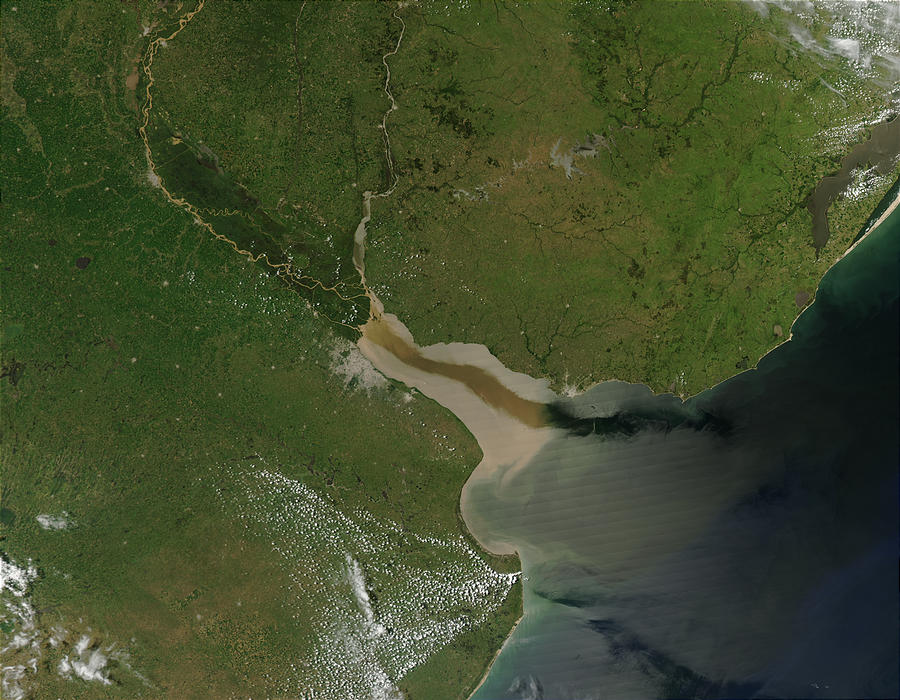
The Río de la Plata (literally "River of Silver"; called River Plate in British English) is a broad estuary on the southeastern coast of South America. It is formed where the Paraná River and the Uruguay River meet and flow into the Atlantic Ocean. The estuary lies between Argentina and Uruguay and extends roughly 290 kilometres from the inner rivers to its mouth. Because it receives large freshwater discharges from its tributaries, the Río de la Plata exhibits a marked salinity gradient and strong tidal and current influences that shape its coastline and ecology.
Image gallery
7 Images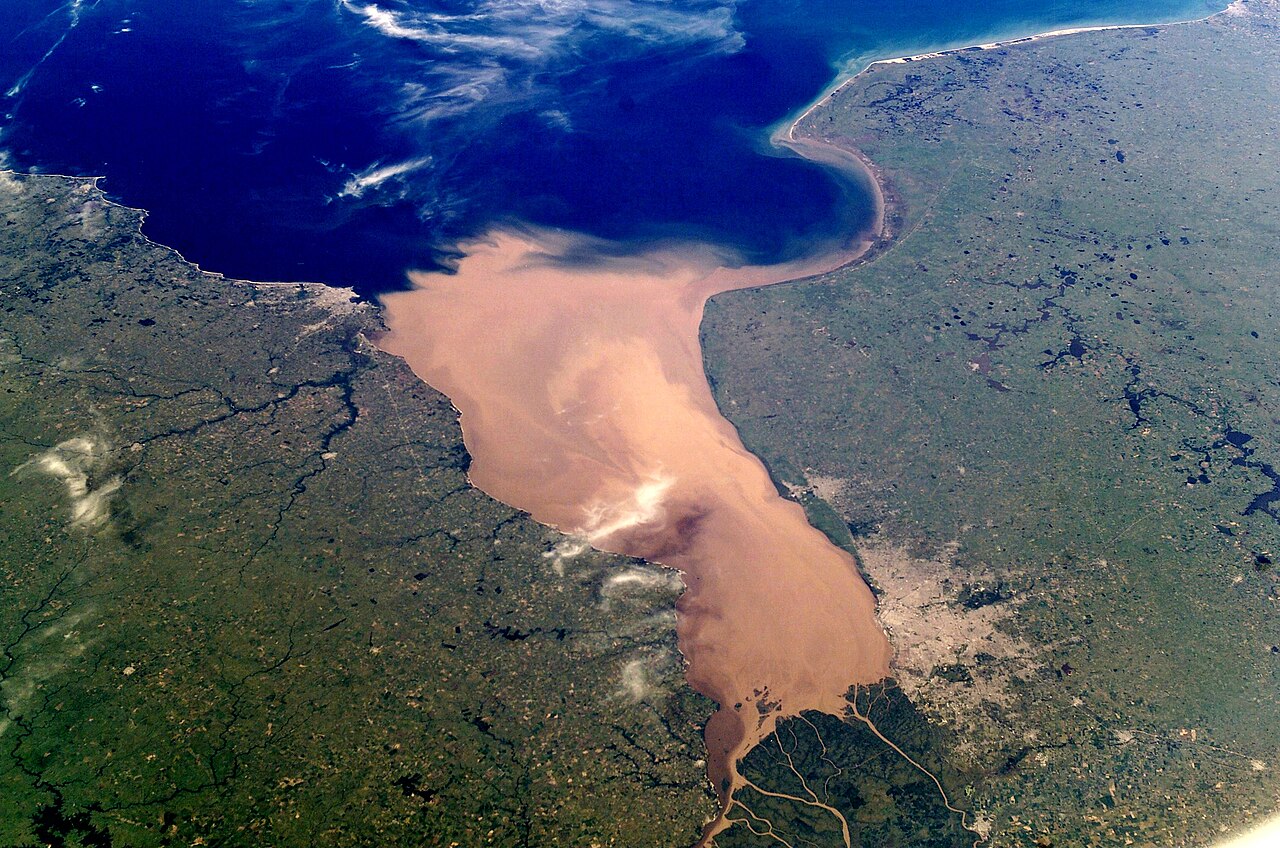



Physical characteristics
The Río de la Plata widens dramatically as it approaches the ocean, narrowing to a few kilometres at its head where the rivers join and reaching as much as about 220 kilometres across at its mouth. This change in width creates a range of environments from brackish inner waters to nearly marine outer reaches. Sediment carried by the Paraná and the Uruguay gives much of the estuary a turbid, brownish appearance and contributes to shoal formation, which affects navigation and the locations of sandbars and channels.
Cities, ports and human uses
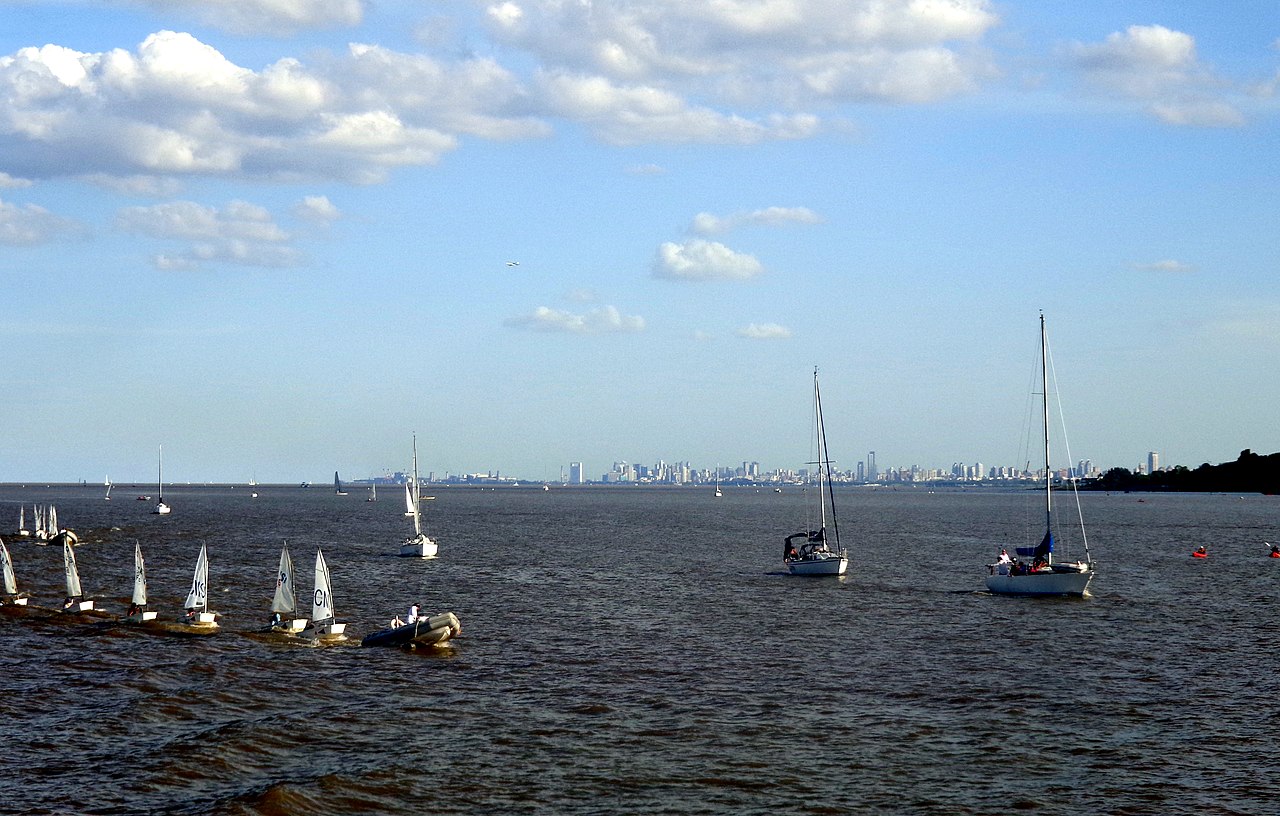
The estuary is of major economic and strategic importance. On its western shore sits Buenos Aires, Argentina’s capital and largest port, while on the northern side lies Montevideo, the capital and principal seaport of Uruguay. Both cities developed as maritime gateways to the interior river basins, with ports, shipyards and associated industries. The Río de la Plata supports commercial shipping, fishing, ferry services, and recreational boating; its access to the Paraná makes it a principal export route for agricultural and mineral products from inland South America.
Ecology and wildlife
The estuary and its surrounding wetlands host diverse plant and animal communities adapted to brackish and variable conditions. Notable inhabitants include several species of sea turtles and marine mammals. Examples of species associated with the Río de la Plata include:
- Loggerhead sea turtle
- Green sea turtle
- Leatherback sea turtle
- La Plata dolphin (Pontoporia blainvillei) and numerous coastal and estuarine fish species
Wetlands and islands in the estuary serve as nursery areas for fish and birds; however, these habitats face pressures from urbanization, pollution, and changes in river sediment loads.
History and cultural significance
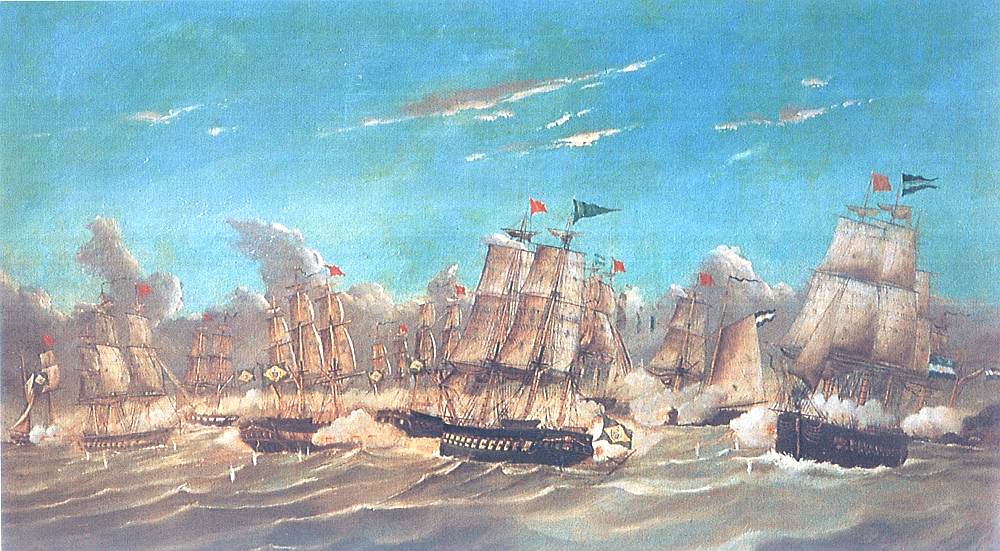
The name Río de la Plata reflects the early European fascination with precious metals; "plata" means silver in Spanish and the estuary became an important focal point during the colonial era as a route for trade and exploration. Over time the waterway linked Atlantic shipping with the extensive Paraná‑Paraguay river system, facilitating the movement of people, goods and ideas. The estuary has continued to shape the economies, identities and interactions of Argentina and Uruguay and figures in regional history, navigation law and cross‑border cooperation.
Notable facts and challenges
The Río de la Plata is notable for its dramatic change in width, complex hydrology, and role as a continental gateway. It is often cited among the world’s largest estuaries in terms of width and freshwater discharge. Contemporary challenges include managing sedimentation to keep navigation channels open, reducing industrial and urban pollution, conserving fisheries and coastal wetlands, and coordinating binational environmental policies between the countries that share the estuary.
For further reading about the estuary’s geography and management, consult regional studies and institutional resources on estuarine ecology and South American river basins (estuary overview).
Questions and answers
Q: What is the Río de la Plata?
A: The Río de la Plata is a river in Argentina that is an estuary made from the Uruguay River and the Paraná River.
Q: Where are these rivers located?
A: These rivers are on the border between Argentina and Uruguay.
Q: How long is the Río de la Plata?
A: The Río de la Plata is about 290 kilometres (180 miles) long.
Q: How wide does it get?
A: The Río de la Plata widens from about 2 kilometres (1.2 miles) at its inner part to about 220 km (140 mi) at its mouth.
Q: What cities are located on its shores?
A: Buenos Aires is on its western shore, and Montevideo is on its northern shores.
Q: What animals live in the Rio de la Plata?
A: The Rio de la Plata is home for the loggerhead sea turtle, green sea turtle, leatherback sea turtle, the rare La Plata dolphin, and many species of fish.
Related articles
Author
AlegsaOnline.com Río de la Plata Leandro Alegsa
URL: https://en.alegsaonline.com/art/82996
Sources
- geonames.nga.mil : Río Paraná Guazú
- iho-ohi.net : "Limits of Oceans and Seas, 3rd edition"
- britannica.com : "Río de la Plata"
- irtces.org : "Salinity Simulations of the Rio de la Plata"